
Amaranth (color)
Amaranth is a reddish-rose color named after the amaranth flower. This article explains its appearance, variations, etymology, history, uses in design and textiles, and cultural associations.
Amaranth describes a range of reddish-rose or purplish-red tones that take their name from the flowers of plants in the genus amaranth. The color evokes a warm, vivid red with a clear pink or magenta influence rather than a pure scarlet. In design and fashion contexts it is often used to convey energy, warmth, and a slightly exotic floral quality.
Image gallery
1 Image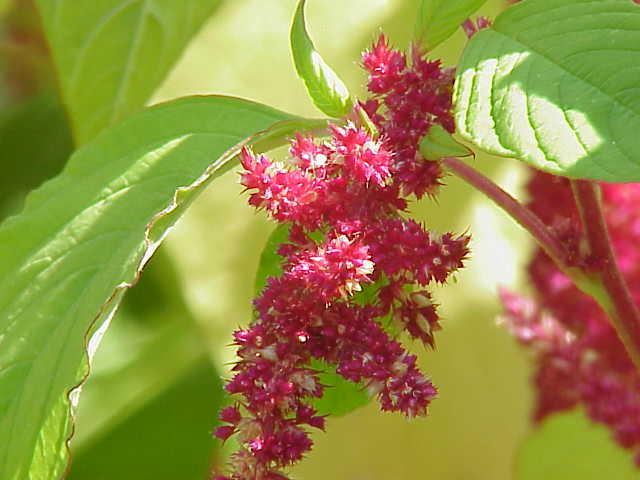
Characteristics and common variants
As a color name, amaranth is not a single fixed shade but a family of closely related hues. Typical variants include lighter "amaranth pink," richer "amaranth red," and deeper, more purple-tinged versions sometimes called "deep amaranth." These variants differ in brightness and the balance between red and magenta, but they share a tendency toward saturated, lively coloration.
Etymology and historical usage
The word amaranth comes from the Greek amarantos, meaning "unfading" or "immortal," originally referring to a mythical flower. The plant and its flowers provided the name for the color in English. The first recorded written use of amaranth as a color name in English dates to 1690; for details on historical references see early records. Botanical and color sources also link the hue directly to the amaranth plant and its characteristic blooms.
Uses, examples, and symbolism
Amaranth tones appear in textile dyes, floral descriptions, branding, and interior palettes where a vibrant yet slightly romantic red is desired. Designers may reference an rose-red sample to capture the luminous quality associated with the name, while color guides often group it near other red hues. Symbolically, amaranth can suggest immortality (echoing the word's etymology), passionate feeling, or botanical richness.
Notable distinctions
- Amaranth as a natural descriptor versus standardized color: manufacturers and digital systems may define slightly different swatches under the same name.
- It sits between pure red and magenta on many palettes, so its appearance can shift depending on lighting and medium.
- When specifying color for print or digital work, it is common to refer to a particular sample or color code rather than the name alone.
Because "amaranth" blends botanical origin, poetic etymology, and practical application, it remains a popular and evocative name in art, fashion, and design. For comparative samples, plant images, and historical citations, follow the referenced resources above.
Tags
Related articles
Author
AlegsaOnline.com Amaranth (color) Leandro Alegsa
URL: https://en.alegsaonline.com/art/3220
Sources
- ehow.com : Plants That Mean Life: