
Eni: Italian Multinational Oil and Gas Company
Eni is Italy’s largest industrial company and an integrated oil and gas major, operating in exploration, production, refining, petrochemicals and growing low‑carbon activities across roughly 69 countries.
Overview
Eni S.p.A. is an Italian integrated oil and gas company with activities spanning exploration and production, refining, marketing and petrochemicals. Founded in the mid‑20th century as a state energy agency, it evolved into a publicly traded multinational group active in roughly 69 countries. Eni is considered one of Europe’s large energy companies and plays an important role in Italy’s industrial landscape and energy supply.
Image gallery
4 Images
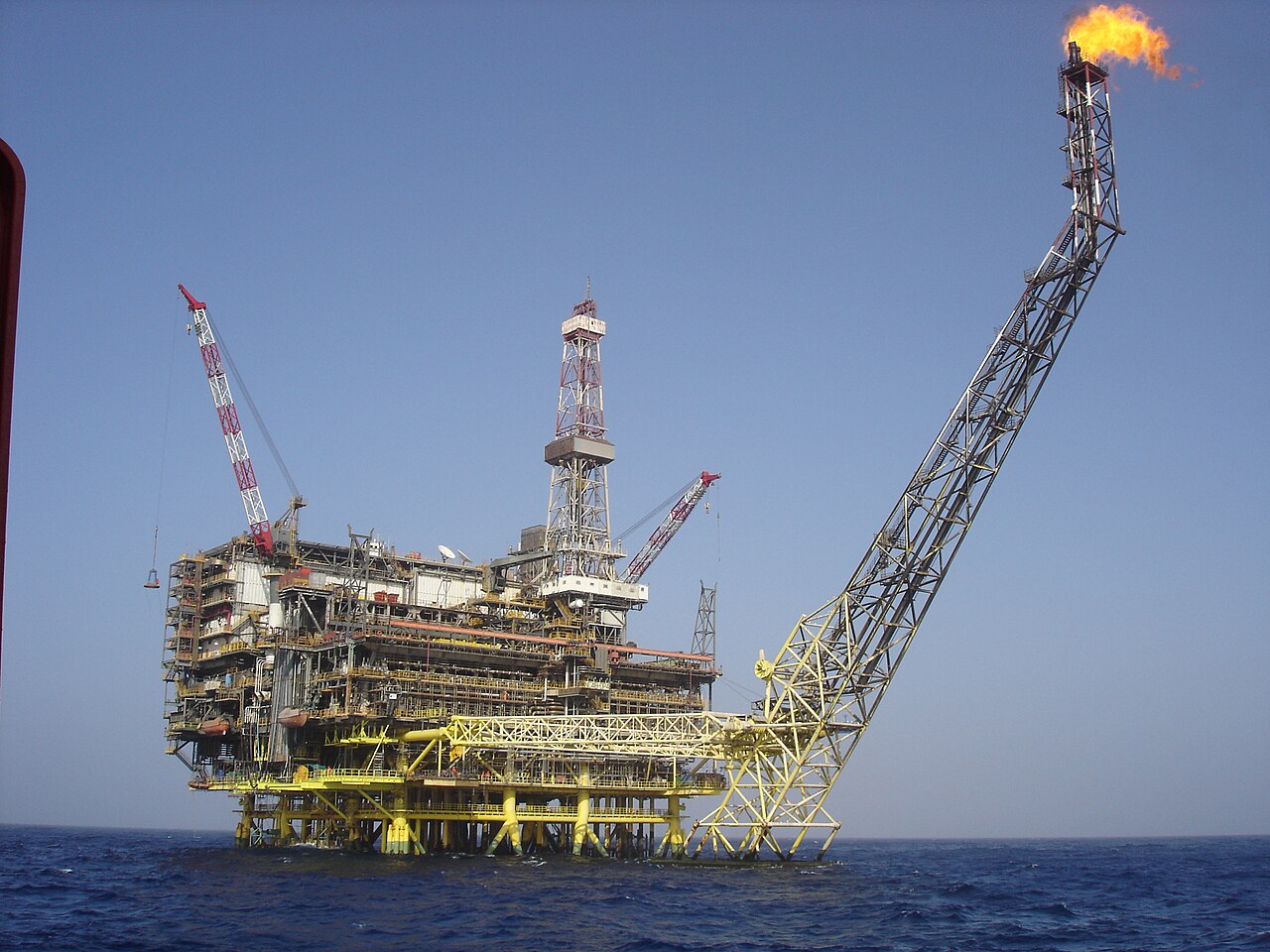

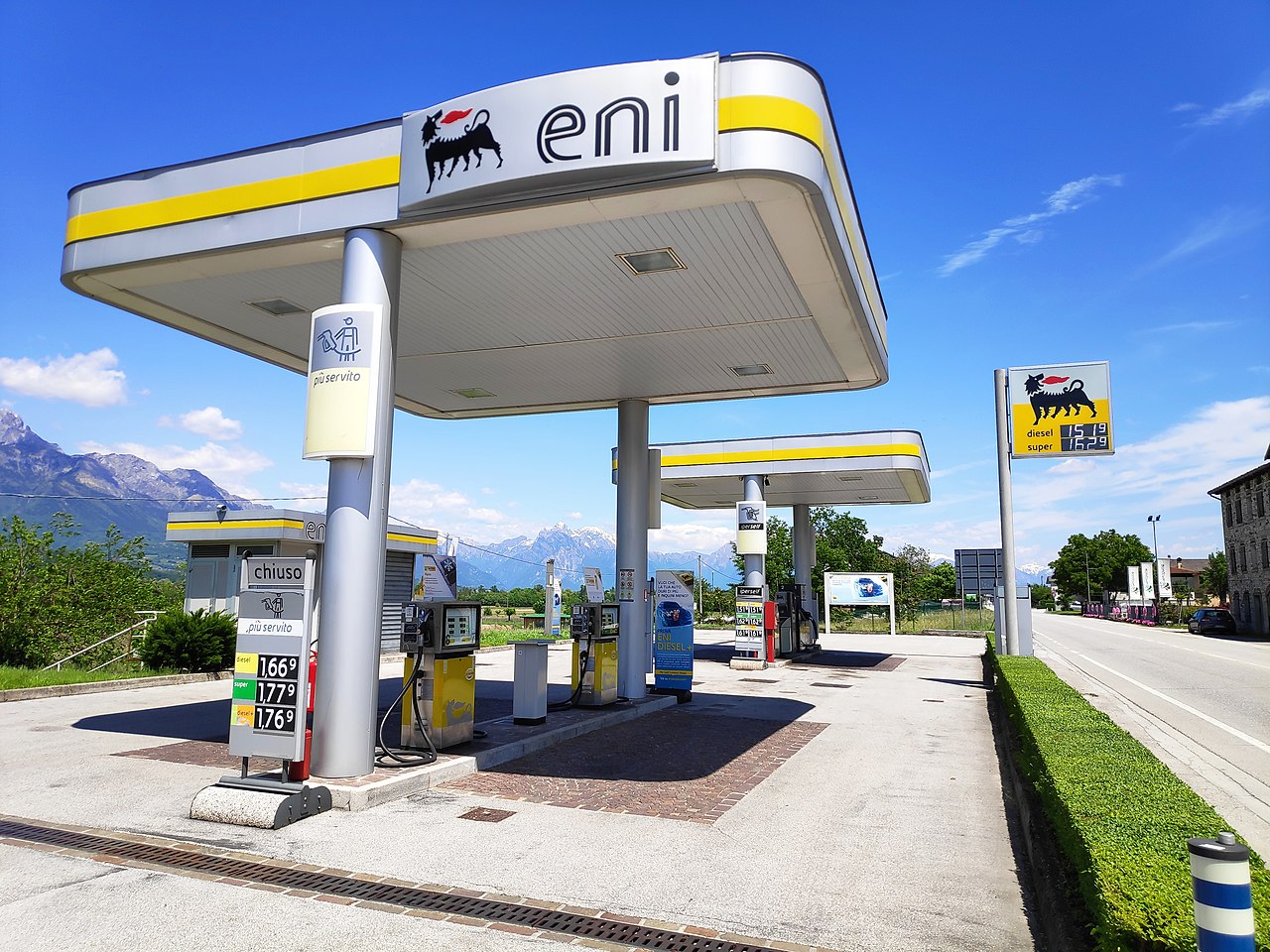
Structure and main activities
Eni operates across the full hydrocarbon value chain. Its principal segments include upstream exploration and production, midstream transport and storage, downstream refining and fuel marketing, and chemical manufacturing. In recent years the company has also advanced projects in gas trading, power generation and lower‑carbon technologies as part of an energy transition strategy.
- Upstream: exploration, development and production of oil and natural gas resources.
- Midstream: pipelines, terminals and logistics to move and store hydrocarbons.
- Downstream: refining, product distribution and retail fuels.
- Chemicals and new energies: petrochemical plants and investments in decarbonisation and renewables.
History and ownership
Originally established as a national entity after World War II, Eni’s origins are linked to Italy’s effort to secure domestic energy supply and develop a national petroleum industry. Over the late 20th century the company transitioned from a wholly state‑controlled body to a joint‑stock company with shares traded on public markets. Today Eni is listed on stock exchanges (see listings) and combines private shareholders with a significant state interest: the Italian government retains a special "golden share" and substantial holdings through the Treasury and public financial institutions, which provide the state with a measure of influence over strategic decisions.
Financial profile and rankings
As a major industrial group, Eni appears on international business rankings for revenue and scale. Market valuations and rankings fluctuate with commodity prices and market conditions; in the early 2020s the company reported market capitalisation figures cited by public sources and ranked among the largest global firms by revenue on lists such as Fortune Global 500. For periodic financial details, investor pages and market data are available (see market information).
Global presence and significance
Eni conducts exploration and production in many regions, supplying feedstock for its refineries and for international markets. Its international footprint contributes to Italy’s energy links with producing countries and to global hydrocarbon flows. The company’s activities span countries in Africa, Europe, the Middle East, Asia and the Americas, reflecting a diversified geographic portfolio and exposure to a range of regulatory and operational environments.
Contemporary issues and outlook
Like other integrated oil and gas companies, Eni faces the dual challenge of managing traditional hydrocarbon operations while responding to climate policy, decarbonisation goals and changing energy demand. It engages in technology, partnerships and investments aimed at lowering emissions intensity and developing renewable and low‑carbon projects. The company has also navigated regulatory scrutiny and legal matters typical for large extractive firms operating across multiple jurisdictions.
For more detailed and up‑to‑date company information, corporate reports and stock details, consult the company’s official investor resources and regulatory filings. Additional background on the oil and gas sector and terminology can be found through industry and financial reference sources: see general profiles and sector overviews such as corporate profile, oil industry overview, natural gas sector, and public market summaries at exchange listings and market data.
Note: ownership proportions and market values change over time; cited figures reflect publicly available snapshots and should be checked against current filings for exact, up‑to‑date numbers.
Questions and answers
Q: What is Eni S.p.A.?
A: Eni S.p.A. is an Italian multinational oil and gas company with a market capitalization of US$ 54.06 billion, as of 11 April 2021.
Q: Where is Eni present?
A: Eni is present in 69 countries around the world.
Q: How much does the Italian Government own in Eni?
A: The Italian Government owns a 30.33% golden share in the company, which includes 4.37% held through the state Treasury and 25.96% held through the Cassa depositi e prestiti (a bank mostly owned by the Ministry of Economy and Finance of Italy).
Q: Is Eni Italy's largest industrial company?
A: Yes, currently it is Italy's largest industrial company.
Q: What type of stock shares does the government have control over?
A: The government has control over special stock shares known as "golden shares".
Q: How did Eni rank on Fortune Global 500 list for 2021?
A: In 2021, Eni ranked 216 on Fortune Global 500 list for largest companies by revenue.
Related articles
Author
AlegsaOnline.com Eni: Italian Multinational Oil and Gas Company Leandro Alegsa
URL: https://en.alegsaonline.com/art/31504