
Abbey Road Studios: London's Historic Recording Studios
Iconic London recording studios established by EMI, famed for The Beatles, orchestral sessions and film scores. Overview of its studios, history, landmark recordings, and cultural significance.
Overview
Abbey Road Studios is a celebrated recording complex in St John's Wood, London, long associated with high-quality music and film soundtrack production. Opened in the early 1930s by what later became EMI, the studios grew into one of the world's best-known locations for both popular music and large-scale orchestral sessions. Today the name "Abbey Road" evokes a combination of technical innovation, iconic recordings and a public landmark that attracts visitors from around the globe. For an institutional description see official information.
Image gallery
10 Images


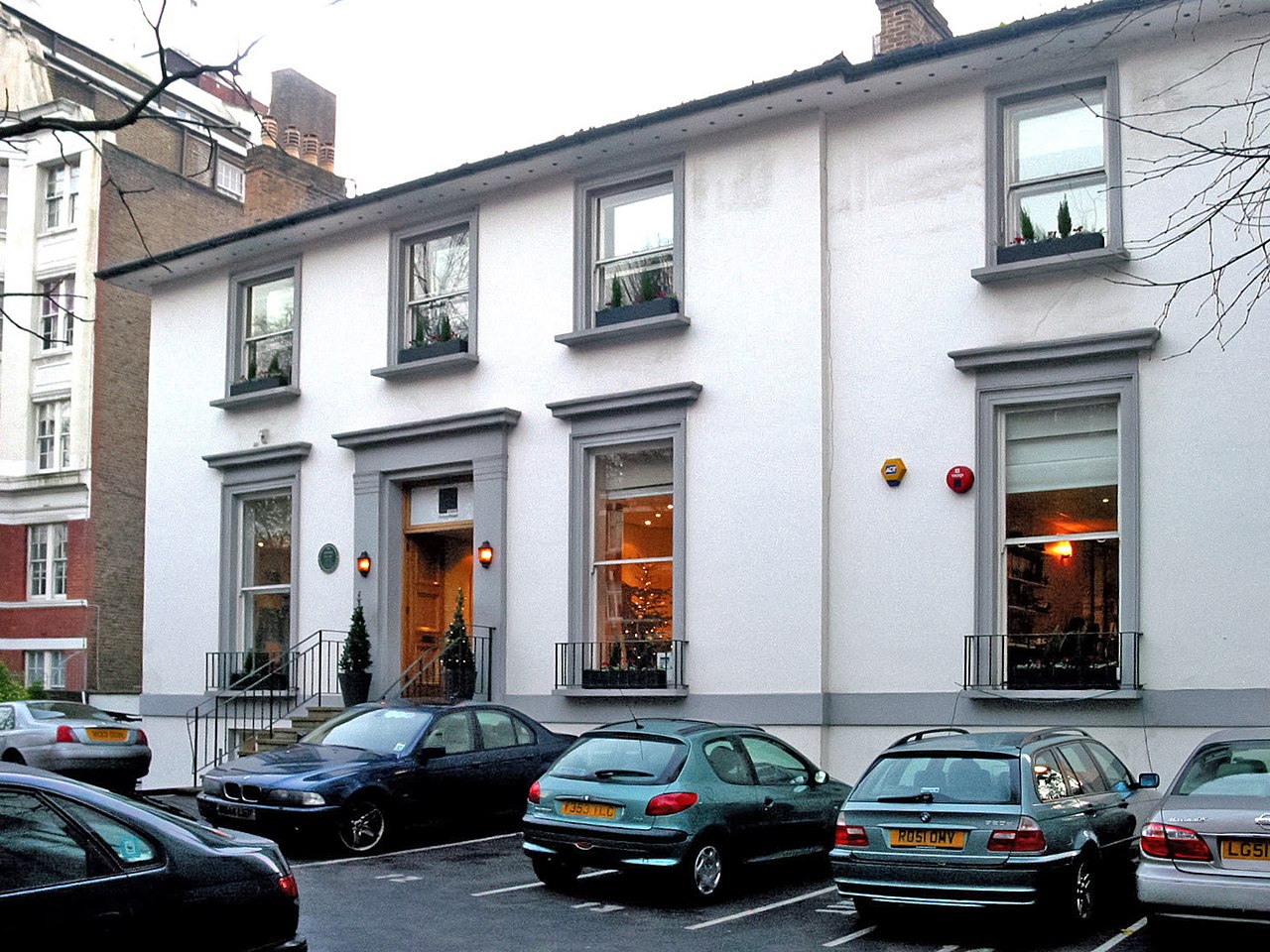

Layout and principal studios
The facility traditionally comprises several distinct studios, each designed for different recording purposes. The complex originally featured three main studio spaces, with additional areas adapted over time for editing and post-production work. The major spaces can be summarized as:
- Studio One: the largest room, converted from a former ballroom; favored for full symphony orchestras, large ensembles and complex film-score sessions where room acoustics and scale are important. See notes about orchestral work at orchestral sessions.
- Studio Two: a medium-sized live room that became intimately associated with small bands and classic pop/rock lineups; its acoustics and isolation options suit groups working live together.
- Studio Three: a smaller control and live space optimized for soloists, duos and overdubbing tasks.
- Studio Four and post-production suites: areas adapted for mixing, editing and post-production where detailed changes to recordings are made.
History and development
Abbey Road's origins date to the early 1930s when a recording facility was established by the Gramophone Company, later incorporated into EMI. Over decades the site evolved alongside recording technology: from early acoustic and then electrical recording, through the era of multitrack tape and analogue consoles, to modern digital workflows. Its engineers and producers contributed to equipment design and recording techniques that influenced the wider industry. The studio complex has remained in continuous use and has been adapted repeatedly to meet changing artistic and technical demands.
Notable recordings and importance
The studios are synonymous with many landmark popular-music sessions, large-scale orchestral projects and scores for film and television. Most famously, a number of sessions by The Beatles were recorded there, leading to enduring association with the group and the studio's public profile; the album cover showing the pedestrian crossing outside the studios became an enduring cultural image. Beyond rock and pop, Abbey Road is widely used for film scores and orchestral recordings because of Studio One's scale and acoustic character. The site also served as a testbed for microphone placement, mixing techniques and mastering approaches that have had broad influence.
Cultural impact and visiting
Abbey Road is both an active professional facility and a cultural landmark. The zebra crossing outside the building is a popular photo spot and has been protected as a heritage sight in recognition of its cultural significance. The studio operates tours, limited public events and an online presence providing a curated view of its history and ongoing projects; further visitor information and booking details are available via EMI-related pages and local visitor guides such as St John's Wood resources and London cultural listings.
Distinctions and technical notes
Abbey Road's reputation rests on both artistry and technical excellence. Its large live rooms, experienced engineering staff and long-standing equipment collections supported work ranging from intimate vocal overdubs to complex orchestral film scores. The studios have preserved historical equipment and also invested in modern consoles and digital systems to remain flexible for contemporary production needs. For details on session types and ensemble suitability see production notes at studio configuration guides.
Overall, Abbey Road Studios continues to function as a working recording environment while serving as a symbol of recording history and popular culture. Its combination of distinctive spaces, long-running professional expertise and high-profile sessions ensures its continuing relevance to musicians, engineers and visitors alike.
Questions and answers
Q: What is Abbey Road Studios?
A: Abbey Road Studios are recording studios located in St. John's Wood, London, England, which are part of EMI's headquarters.
Q: How many studios did Abbey Road have throughout its history?
A: Abbey Road had three different studios for most of its history, and another space was later turned into a fourth studio.
Q: What is Studio One used for?
A: Studio One is large and used to be a ballroom, and it is mainly used to record symphony orchestras and very large bands and groups.
Q: What is Studio Two used for?
A: Studio Two is smaller compared to Studio One and works best for recording small combos or groups of musicians.
Q: What is Studio Three intended for?
A: Studio Three is a much smaller studio and is primarily meant for recording soloists and duos.
Q: What is the primary purpose of Studio Four?
A: Studio Four is mostly used for post-production purposes, where changes are made to earlier recordings.
Q: Where is Abbey Road Studios located?
A: The Abbey Road Studios are located in St. John's Wood, London, England and are part of EMI's headquarters.
Related articles
Author
AlegsaOnline.com Abbey Road Studios: London's Historic Recording Studios Leandro Alegsa
URL: https://en.alegsaonline.com/art/314