
English Electric — British industrial and engineering manufacturer
Overview of English Electric, the British 20th-century industrial group (founded 1918) known for electric motors, transformers, locomotives, aircraft, missiles, turbines and early computers.
Overview
English Electric was a major British industrial manufacturer founded in 1918. It began by supplying core electrical equipment and grew into a diversified engineering group active across power generation, transport, defence and electronics. The company's name is associated with a wide range of heavy engineering products and with the post‑war modernisation of British industry.
Image gallery
10 Images




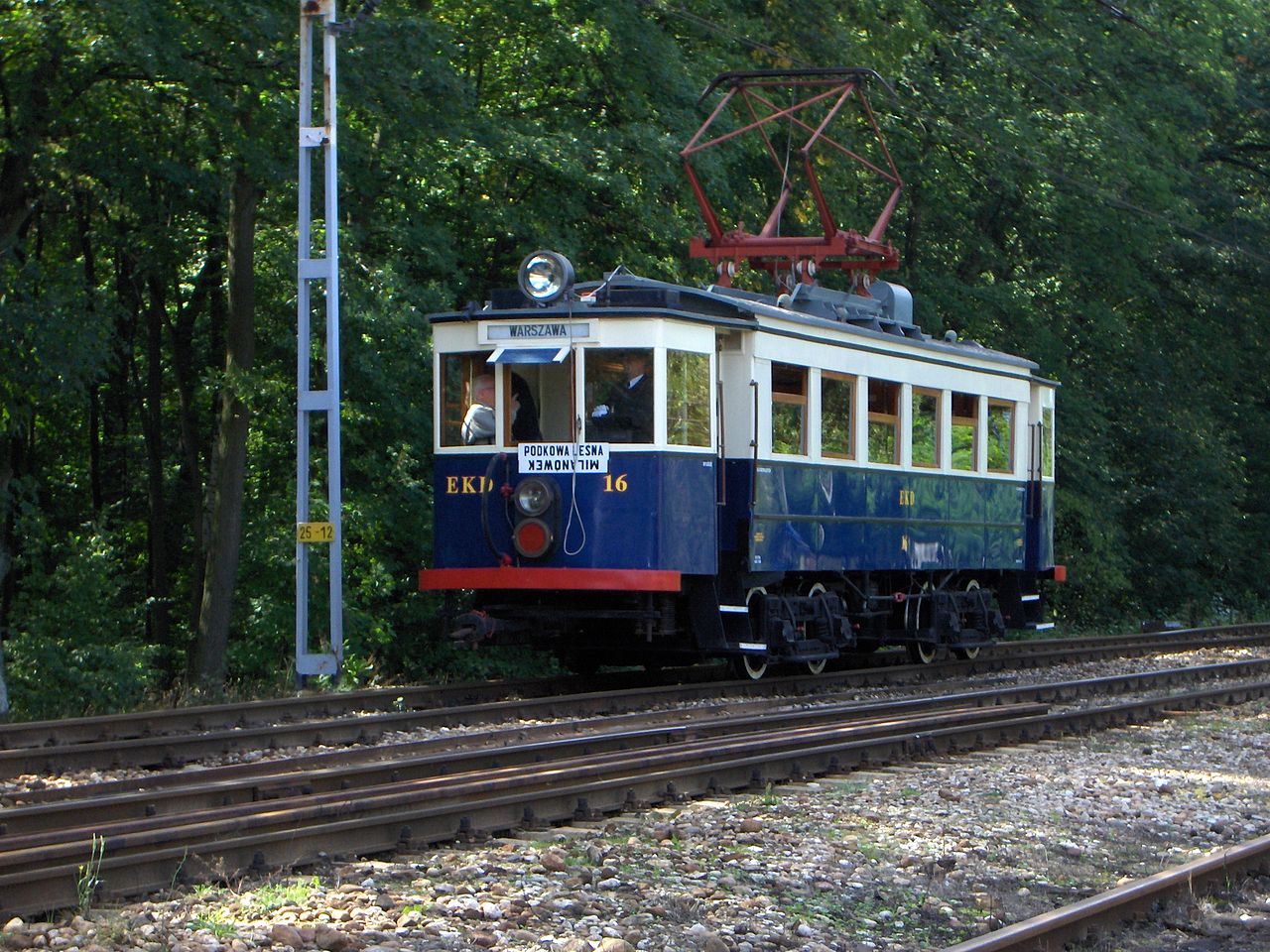


Origins and development
Established to capitalise on demand for large electrical plant, the firm initially specialised in industrial electric motors and transformers. Over the following decades it expanded through internal growth and acquisitions into fields such as traction equipment for railways, power turbines and consumer electronics. Its evolution reflects twentieth‑century trends in electrification, mechanisation and defence technology.
Products and activities
English Electric manufactured an array of heavy engineering and electronic products. Its output included railway locomotives and tram/traction systems, steam turbines and power‑station apparatus, as well as household and industrial consumer electronics. In aerospace and defence it developed guided‑weapon systems and produced notable aircraft designs under its aircraft division.
Notable achievements
The company is particularly remembered for supplying motive power and traction equipment to national railways and for its aircraft and jet‑age projects. Its engineering breadth allowed it to combine electrical, mechanical and electronic disciplines in large projects for both civilian and military customers. English Electric also designed and built early commercial and military computers and control systems, a reflection of its move into electronics.
Later history and legacy
After several reorganisations in the mid‑20th century, English Electric was absorbed into larger British engineering groups; its aerospace and electronics interests were incorporated into national consolidation efforts, and many of its product lines and facilities later became part of larger companies. The name survives chiefly in historical accounts of British industry and in the enduring presence of its locomotives, aircraft designs and industrial machinery.
Further information
Related articles
Author
AlegsaOnline.com English Electric — British industrial and engineering manufacturer Leandro Alegsa
URL: https://en.alegsaonline.com/art/31475