
Parlophone Records
Parlophone Records is a historic British record label, founded in Germany in 1896, known for The Beatles, a wide roster of artists, and a long history of changing ownership and musical styles.
Parlophone Records began as a small record concern in Germany in 1896 and developed into one of the United Kingdom's most recognisable music labels. Over more than a century it has been associated with influential popular music, technical advances in recording and pressing, and a roster of artists that helped shape 20th- and 21st-century popular culture. The label's early identity and later reputation reflect both its German origins and its British development: see contemporary summaries overview and historical notes origins.
Image gallery
6 Images


History and development
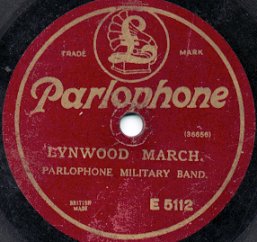
Parlophone's roots lie with a German firm and its trademark L-shaped logo, derived from the Lindström label; that emblem later became a visual shorthand for the brand and is discussed in several retrospectives logo history. In 1931 Parlophone became part of the larger EMI group, after which it broadened its catalogue and presence in the UK market; EMI's acquisition is a key milestone in the label's institutional story EMI. During the mid-20th century Parlophone issued a mix of styles, notably jazz and comic recordings, and it also released regional and world music recordings, including Scottish and Latin artists referenced in archival catalogues jazz, comedy, Scottish and Latin collections.
Breakthrough: The Beatles and production
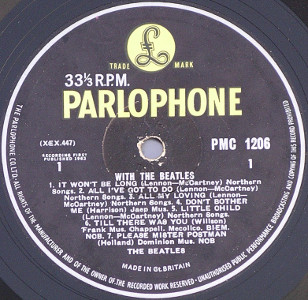
The label is best known internationally for signing The Beatles in 1962 and releasing the group’s UK records through the 1960s; this association transformed Parlophone's profile. Producer George Martin, a central figure in the Beatles' recorded sound, worked with the label as a staff producer and occasionally travelled to record regional acts George Martin. The Beatles remain a defining chapter in Parlophone's history, shaping both artistic perception and commercial success.
Artists, genres, and catalogue
Parlophone's roster has changed with time, moving from early 20th-century regional and specialist releases to mainstream rock, pop and alternative acts in later decades. Notable artists associated with Parlophone in modern times include:
- Coldplay
- Lily Allen
- Radiohead
- The Beatles (1960s releases)
Beyond these names, Parlophone's catalogue spans pop, rock, alternative, jazz, comedy and various regional genres, reflecting how a single label can encompass diverse styles over time.
Corporate changes and recent ownership
Ownership of Parlophone has shifted in the 21st century as global music companies reorganised. In 2012 the major group Universal Music Group acquired EMI, the parent that then included Parlophone Universal Music Group. Regulatory and strategic considerations led Universal to divest certain assets, and Parlophone was sold to Warner Music Group Warner Music Group. Not all catalogues moved with the label: the Beatles' recorded catalogue continues to be managed separately under arrangements retained by Universal (for example via Calderstone Productions), illustrating how artist catalogues and label ownership can diverge.
Legacy, distinctions and contemporary role
Parlophone's legacy is multifaceted: it is remembered for iconic acts and recordings, for early technical and regional releases, and for a visual identity that originated in late-19th-century Germany. Today the Parlophone name operates within a major multinational framework while continuing to sign and promote contemporary artists, balancing heritage and present-day activity. For further reading on particular eras, logos and artist lists consult historical resources and label discographies label overview, archival pages origins, and curated artist pages Coldplay, Lily Allen, Radiohead, The Beatles.
Additional context about genres, production and regional recordings can be explored through subject-specific entries jazz catalogues, comedy releases, and studies of regional music Scottish and Latin. Corporate transactions and rights management are discussed in business summaries and press coverage linked under corporate histories EMI, Universal and Warner. For commentary on producers and studio work, see material on George Martin.
Related articles
Author
AlegsaOnline.com Parlophone Records Leandro Alegsa
URL: https://en.alegsaonline.com/art/74769