
Viridiplantae: the green plants (green algae and land plants)
Viridiplantae is the clade of green algae and land plants characterized by green chlorophyll, primary plastids, cellulose cell walls and starch storage; essential primary producers on Earth.
Overview
Viridiplantae, often called "green plants," is the monophyletic group that unites the green algae and land plants. Members share a distinctive set of cellular and biochemical traits linked to photosynthesis and energy storage. In some classification schemes the group is treated as an expanded Plantae, bringing together traditional land plants (Embryophytes) and various lineages of green algae.
Image gallery
10 Images


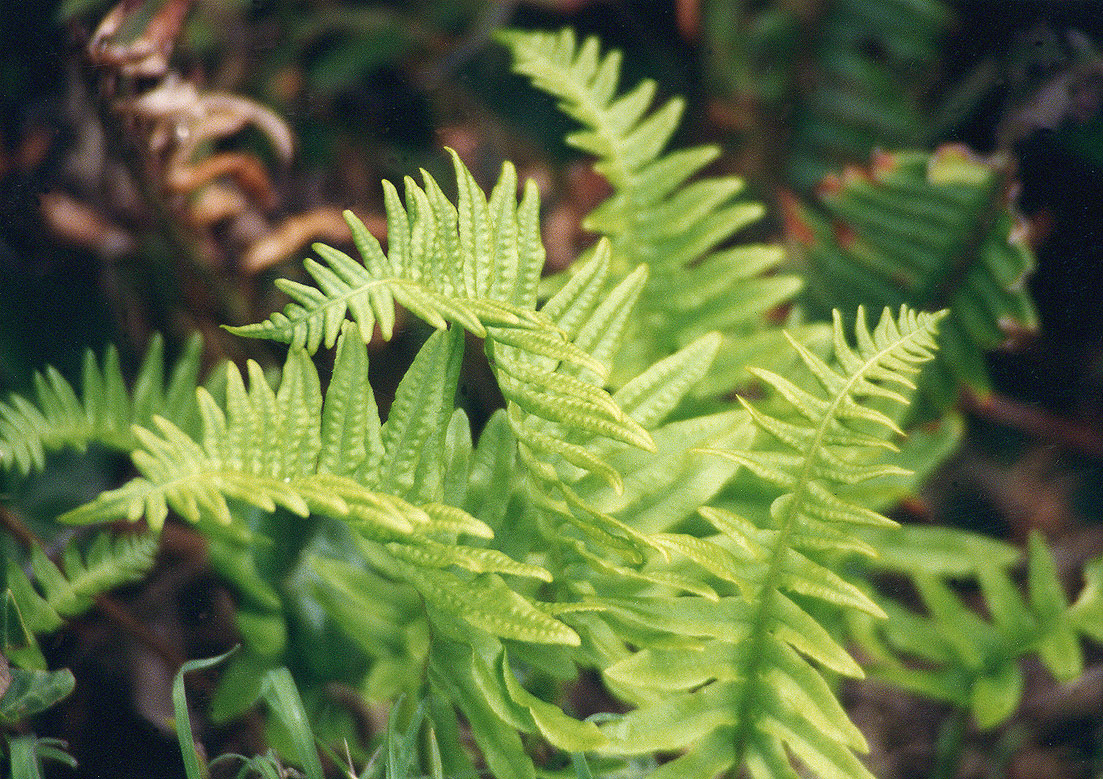

Key characteristics
Viridiplantae are defined by several widely recognized features, most of which reflect their photosynthetic machinery and cell biology:
- Plastids derived from a single primary endosymbiotic event: cells contain primary chloroplasts bounded by two membranes.
- Photosynthetic pigments mainly include green chlorophyll a and b, plus carotenoids, giving the group its characteristic color.
- Storage of fixed carbon as starch within plastids, and cell walls composed largely of cellulose.
- A range of life histories from unicellular and colonial algae to complex multicellular forms with alternation of generations in land plants.
Evolution and classification
Viridiplantae are usually divided into two major lineages: Chlorophyta (many groups of primarily aquatic green algae) and Streptophyta (which includes certain freshwater algae and all land plants). The clade is interpreted differently by botanists and protistologists: some systems expand the traditional kingdom Plantae to include all Viridiplantae, while others use alternative names (for example, a 2005 classification for eukaryotes proposed the name Chloroplastida) to emphasize the plastid origin and to avoid implying that all members are "plants" in the classical sense.
Ecological roles and human uses
As primary producers, members of Viridiplantae support most food webs. Aquatic green algae form a major component of freshwater and some marine primary production, while land plants dominate terrestrial ecosystems, influencing climate and soils. Humans rely on Viridiplantae for food, timber, fiber, medicines and biofuels; agriculture and forestry are founded on the biology of this group.
Distinctions and notable facts
Viridiplantae differ from other photosynthetic eukaryotes such as red algae and glaucophytes by pigment composition and plastid structure, and from algae that acquired plastids secondarily (diatoms, brown algae) in both origin and cellular organization. The group's unified origin via a cyanobacterial endosymbiont explains many shared traits, while diversification produced the wide range of forms—from microscopic unicells to giant trees. Estimates place the diversity of Viridiplantae in the hundreds of thousands of species, reflecting both ancient lineages and extensive recent diversification.
For further reading, see resources that detail the phylogeny, physiology and ecological importance of green plants: taxonomic treatments, evolutionary syntheses and ecological reviews provide complementary perspectives.
green algae and land plants | Embryophytes | green algae | classification for eukaryotes | primary chloroplasts | green chlorophyll
Questions and answers
Q: What is Viridiplantae?
A: Viridiplantae is a clade that includes green algae and land plants.
Q: Why are they sometimes called Plantae?
A: They are sometimes called Plantae because some classification systems expand the traditional plant kingdom to include green algae.
Q: What name did Adl and colleagues use for Viridiplantae?
A: Adl and colleagues used the name Chloroplastida for this group.
Q: Why did Adl and colleagues reject the name Viridiplantae?
A: Adl and colleagues rejected the name Viridiplantae because most species in the group are not plants as traditionally understood.
Q: What is the distinguishing feature of Viridiplantae's chloroplasts?
A: The chloroplasts of Viridiplantae have primary chlorophylls that are green.
Q: How many species of Viridiplantae are there?
A: There are more than 350,000 species of Viridiplantae.
Q: What types of organisms are included in Viridiplantae?
A: Viridiplantae includes both green algae and land plants.
Related articles
Author
AlegsaOnline.com Viridiplantae: the green plants (green algae and land plants) Leandro Alegsa
URL: https://en.alegsaonline.com/art/105559
Sources
- nar.oxfordjournals.org : "PlantGDB: a resource for comparative plant genomics"
- doi.org : 10.1093/nar/gkm1041
- ncbi.nlm.nih.gov : 2238959
- pubmed.ncbi.nlm.nih.gov : 18063570
- ncbi.nlm.nih.gov : "www.ncbi.nlm.nih.gov"
- biomedcentral.com : "Gain and loss of elongation factor genes in green algae"
- doi.org : 10.1186/1471-2148-9-39
- ncbi.nlm.nih.gov : 2652445
- pubmed.ncbi.nlm.nih.gov : 19216746
- linkinghub.elsevier.com : "Function and evolution of the vacuolar compartment in green algae and land plants (Viridiplantae)"
- doi.org : 10.1016/S0074-7696(07)64001-7
- pubmed.ncbi.nlm.nih.gov : 17964920
- dx.plos.org : "EEF2 analysis challenges the monophyly of Archaeplastida and Chromalveolata"
- doi.org : 10.1371/journal.pone.0002621
- ncbi.nlm.nih.gov : 2440802