
Edinburgh Festival Fringe
Annual open-access arts festival in Edinburgh, founded 1947. Held late August–early September alongside the Edinburgh International Festival, showcasing thousands of theatre, comedy, music, opera and dance events.
Overview
The Edinburgh Festival Fringe, commonly called the Fringe, is the world’s largest arts festival. It began in 1947 and takes place every year in late August and early September, running at the same time as the Edinburgh International Festival. The Fringe is an open-access event: performers from across the globe stage shows in a concentrated period, presenting everything from short experimental pieces to full-length productions. Typical programme categories include concerts, theatre, opera and dance, alongside comedy, one-person shows, family work and informal street performances.
Image gallery
10 Images




History and development
The Fringe started when uninvited theatre companies arrived to perform alongside the established international festival in 1947. Over the decades it expanded from a handful of shows to thousands of performances across hundreds of venues. To help artists and audiences, the Festival Fringe Society was formed: it publishes the official programme, operates a central box office and provides guidance to participants. The festival’s open nature has remained a defining principle, encouraging experimentation and providing a springboard for new talent.
Format and organisation
Unlike curated festivals, the Fringe operates on an open-entry basis: most performers can register and advertise their shows through the Fringe Society. That accessibility produces great variety in scale and quality; some productions are polished and go on to national or international tours, while others are deliberately experimental or modest in ambition. The Society coordinates listings, accreditation and ticketing, but does not vet artistic content, so critical reviews, audience word-of-mouth and awards often guide discovery.
Venues and typical performances
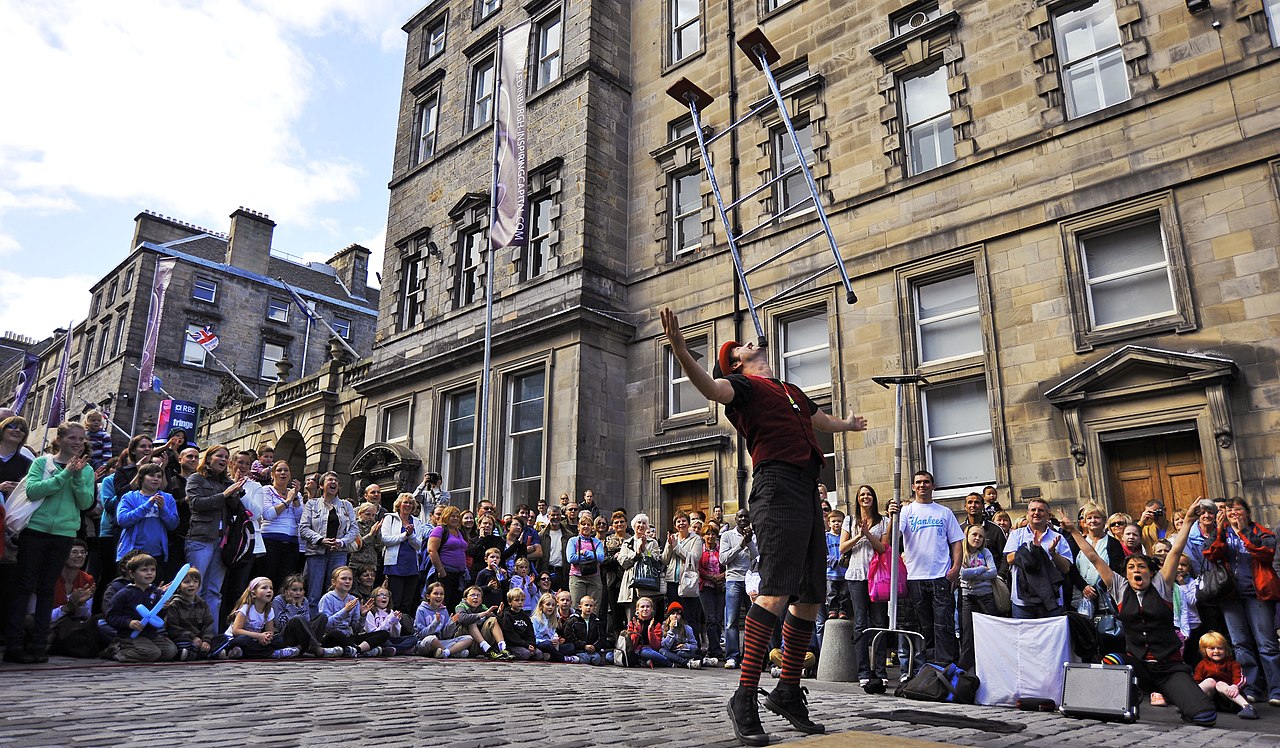
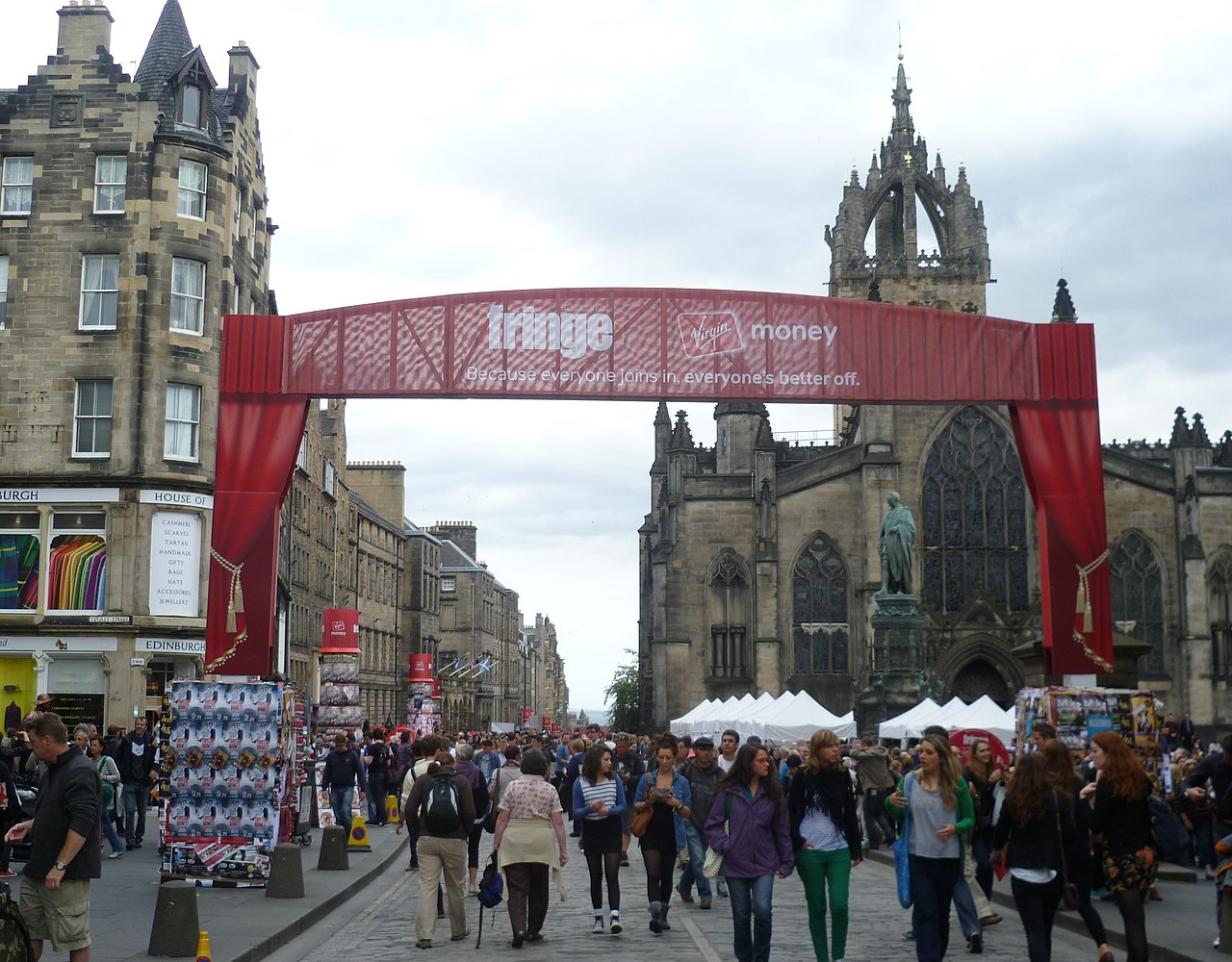
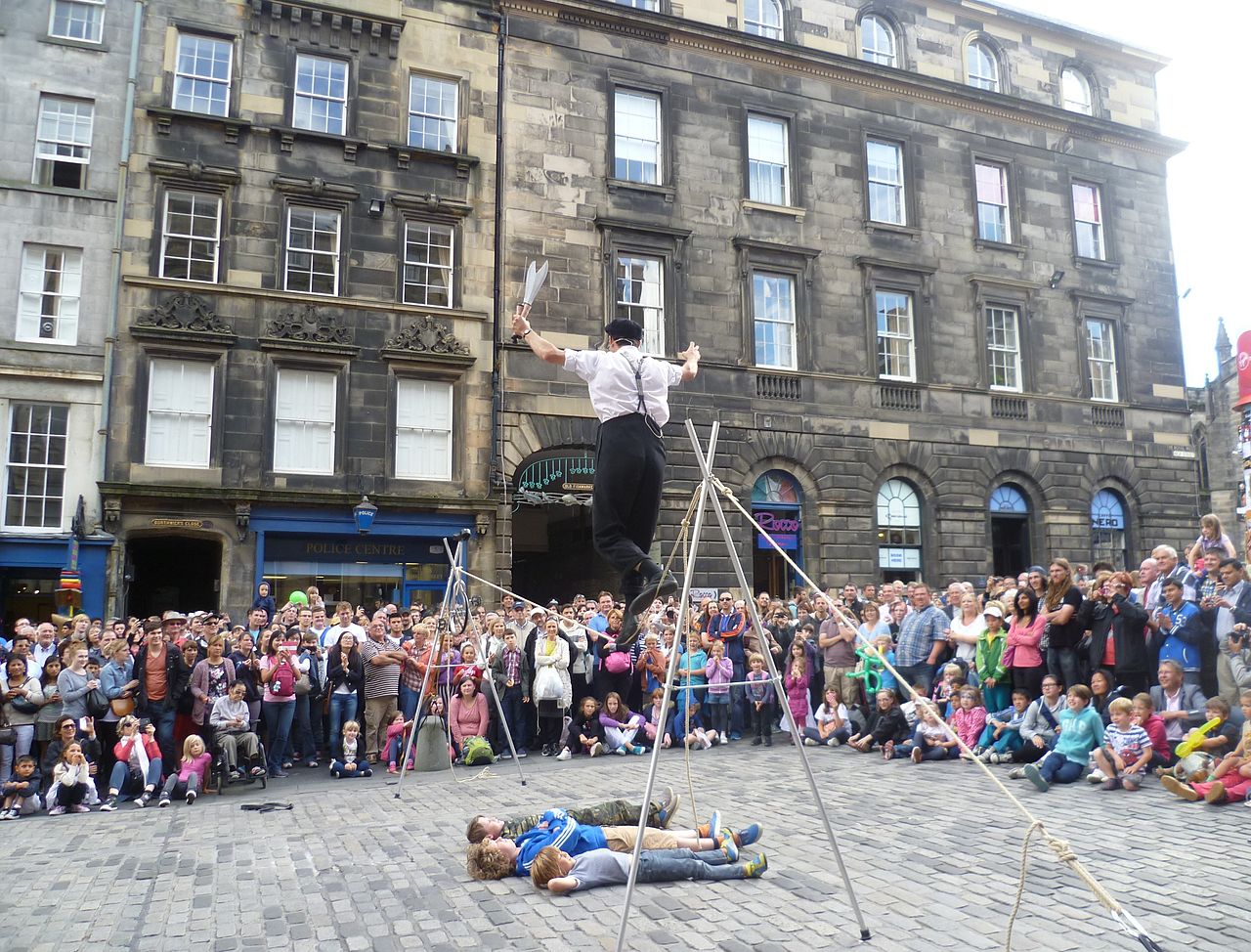
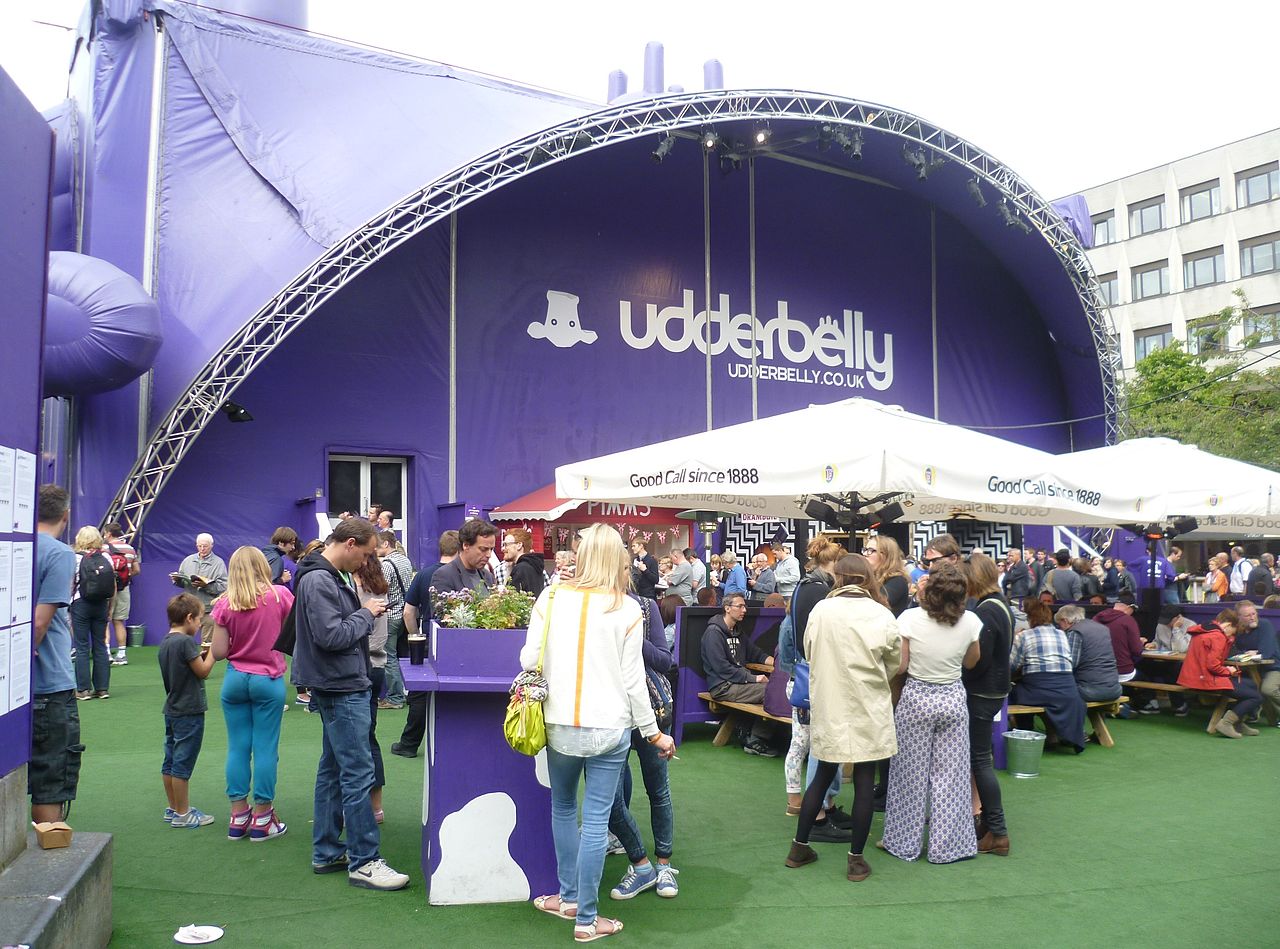
Performances take place in a wide range of spaces: traditional theatres, converted churches and community halls, pub backrooms, pop-up venues and outdoor sites—most famously along the Royal Mile. Street performers and free shows add a public-facing layer that contributes to the festival atmosphere. Comedy, especially stand-up and solo shows, is a major component of the programme, but the Fringe is also prized for avant-garde theatre, new writing and experimental music.
Impact and significance
The Fringe has a major cultural and economic impact on Edinburgh and the wider performing arts ecosystem. It provides a launchpad for artists, fosters cross-border collaboration and attracts large numbers of visitors each season. At the same time, the festival faces criticism: concerns include rising costs for performers, the pressure of commercialisation, variability of standards and the strain of high visitor volumes on local infrastructure. Still, its role as an incubator for creativity and a barometer of contemporary live performance remains widely acknowledged.
Practical information and tips
If you plan to attend or participate, check the official programme published by the Fringe Society, book popular shows early and allow time to discover smaller venues and street work. The central Fringe office on the Royal Mile offers information and support for artists and audiences alike. Reviews, word-of-mouth and daily listings are helpful ways to identify standout offerings amid the festival’s vast and energetic programme.
Related articles
Author
AlegsaOnline.com Edinburgh Festival Fringe Leandro Alegsa
URL: https://en.alegsaonline.com/art/30139