
Alpine newt (Ichthyosaura alpestris)
A medium-sized European newt species, Ichthyosaura alpestris is an amphibian with seasonal aquatic breeding, distinctive male breeding colours, and wide but locally threatened habitats.
Overview
The alpine newt (Ichthyosaura alpestris) is a small European amphibian in the order Salamandra (Urodela or Caudata). It is widely recognized for its seasonal change from a plain terrestrial form to a brightly coloured aquatic breeding male. Taxonomically it was long placed in the genus Triturus and is now commonly referred to as Ichthyosaura.
Image gallery
10 Images


Appearance and characteristics
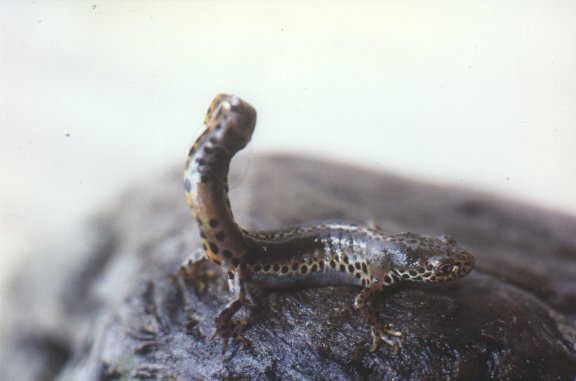
Adults typically measure 6–9 cm (body length) with a laterally compressed tail suited to swimming. Outside the breeding season both sexes are often brownish with spotted bellies. Breeding males develop vivid colours—blue or bright flanks, orange belly and a low dorsal crest—while females retain milder markings. Like other newts, they have moist, permeable skin and slender limbs.
Life cycle and behaviour
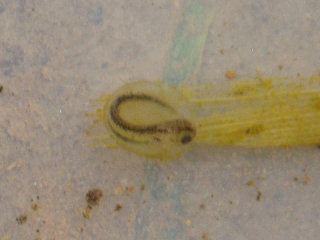
Alpine newts alternate between aquatic breeding phases in spring and primarily terrestrial existence at other times. Courtship occurs in ponds or slow-moving waters, where females lay single eggs wrapped in submerged leaves. Larvae hatch and metamorphose over weeks to months depending on temperature. The species feeds on invertebrates such as insects, worms and small crustaceans, and in turn is prey for fish, birds and mammals.
Distribution, habitat and status
Found across much of central and southern Europe, the alpine newt occupies lakes, ponds and garden pools at varying elevations and uses adjacent woodlands and grasslands on land. It is one of the five newt species recorded in Germany. Although broadly widespread and often locally common, populations can decline from habitat loss, pollution, introduced fish, roads and disease.
Conservation and human interactions
- Important as an indicator of freshwater quality and wetland health.
- Threats include drainage of ponds, pesticide runoff and invasive species.
- Sometimes kept by experienced hobbyists; legal protections and permitting vary by country.
Understanding and preserving breeding sites and terrestrial refuges is key to maintaining alpine newt populations and the ecological roles they play in temperate freshwater and forest ecosystems.
Related articles
Author
AlegsaOnline.com Alpine newt (Ichthyosaura alpestris) Leandro Alegsa
URL: https://en.alegsaonline.com/art/2984
Sources
- species.wikimedia.org : Triturus alpestris
- commons.wikimedia.org : Triturus alpestris
- iucnredlist.org : "Triturus alpestris"
- uni-koeln.de : APl1800