
Eastern religions: overview, beliefs, history and cultural roles
Religions that originated in South, East and Southeast Asia, their core beliefs, historical development, cultural expressions, and distinctions from Western religious traditions.
Overview
Eastern religions is a broad term for religious and philosophical traditions that developed primarily in South Asia, East Asia and Southeast Asia. Major religions commonly grouped under this label include Hinduism, Buddhism, Jainism, Sikhism, Taoism, Confucianism, Shinto and a variety of regional and folk systems. These traditions range from organized faiths with sacred texts and monastic institutions to local ritual practices embedded in everyday life.
Image gallery
6 Images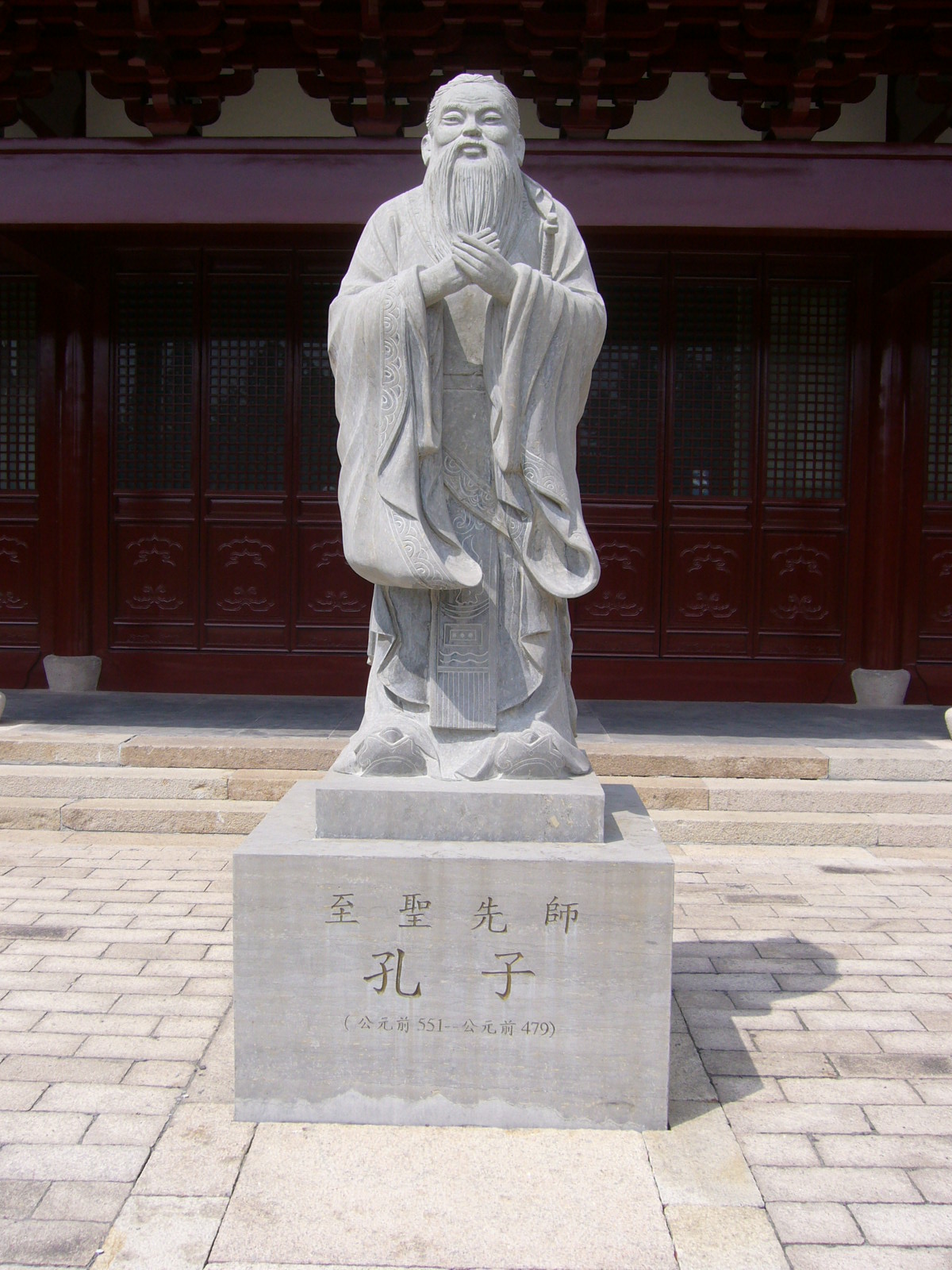



Core beliefs and practices
Although doctrines differ widely, several recurring themes appear across many Eastern religions: the idea of cyclical time (rebirth or renewal), emphasis on ethical action and personal transformation, practices for mental cultivation (meditation, yoga, or ritual), and concern for harmony between individuals, society and nature. Key concepts include karma (action and consequence), dharma (role, duty, or law), moksha or nirvana (liberation), and the cultivation of virtues such as compassion and filial piety.
Historical development
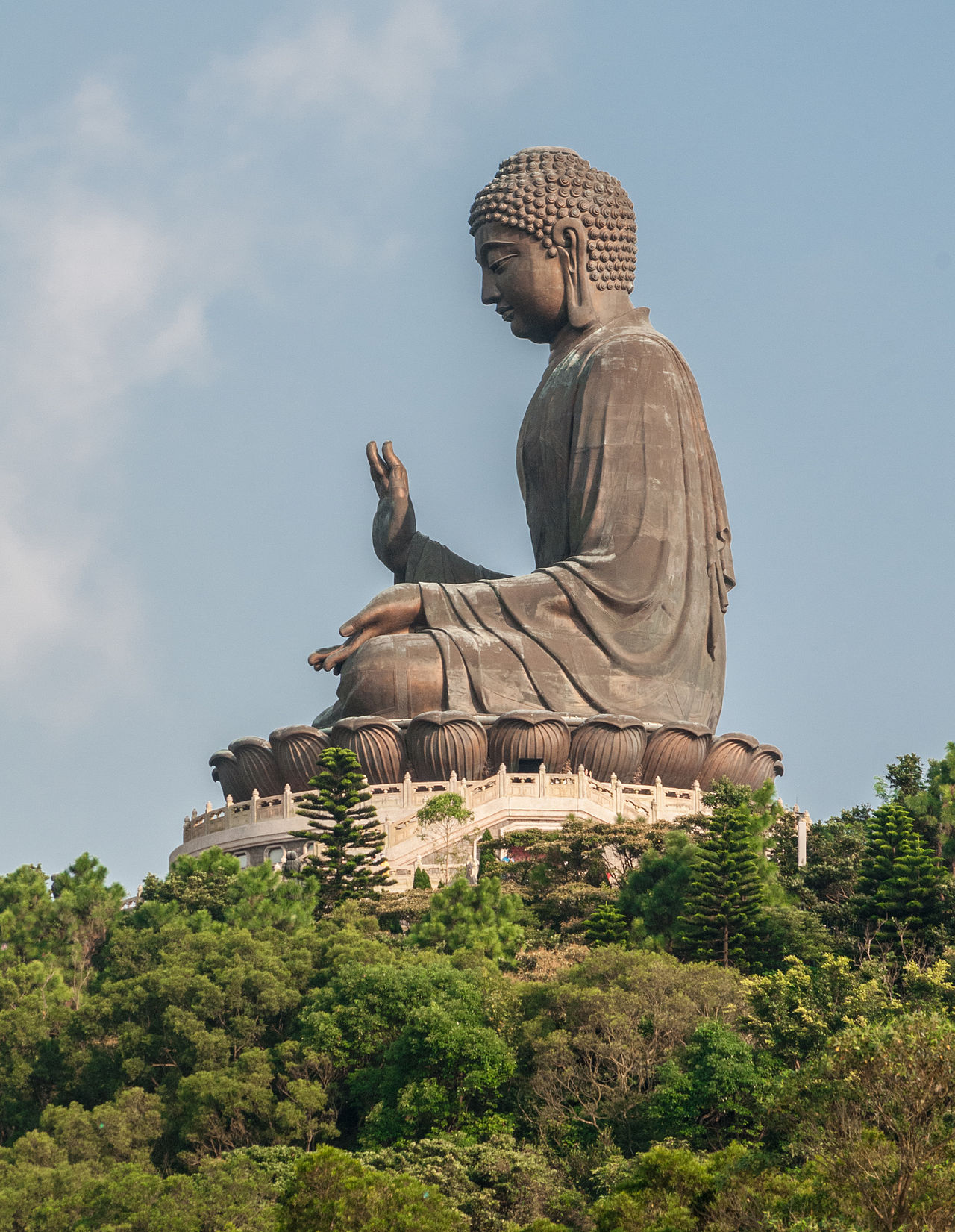
Many Eastern religions trace roots to ancient cultural centers in the Indian subcontinent and East Asian civilizations. Vedic religion evolved into classical Hinduism; around the 6th–5th centuries BCE new movements such as Buddhism and Jainism emerged in South Asia. In East Asia, indigenous traditions like Shinto and developed systems of thought such as Confucianism and Taoism shaped social and political life. Over centuries these beliefs spread, adapted, and blended as they encountered new peoples along trade routes and through migration.
Cultural roles and examples
Eastern religions inform art, law, festivals and daily rituals. Temples, monasteries and household shrines host ceremonies; pilgrimages and seasonal festivals mark agricultural and spiritual calendars. Examples include Diwali and Holi in South Asia, Vesak and Buddhist monastic observances across Asia, the Lunar New Year celebrations influenced by Confucian and folk customs, and Shinto rites tied to Japanese community life. Practices such as yoga and meditation have also gained global influence in modern contexts.
Distinctions and notable facts
- Many Eastern traditions emphasize practice and ethical living (orthopraxy) as much as doctrinal belief (orthodoxy).
- Textual traditions are diverse: the Vedas, Upanishads and epics in South Asia; the Tripitaka in Buddhism; the Tao Te Ching and Analects in Chinese thought.
- Some movements are non-proselytizing, focusing on community and lineage rather than mass conversion.
For regional context see East Asian traditions, Southeast Asian traditions and contrasts with African and Western religious traditions. These links provide starting points for exploring how beliefs, rituals and institutions vary across societies and historical periods.
Related articles
Author
AlegsaOnline.com Eastern religions: overview, beliefs, history and cultural roles Leandro Alegsa
URL: https://en.alegsaonline.com/art/29774