
Ecclesia (Church): meaning, origins, and ecclesiological uses
Ecclesia (from Greek ekklesia) denotes a Christian congregation or the whole people of God; this article explains its etymology, historical development and differing theological senses.
Overview
Ecclesia (Greek ekklēsía) is a key term in Christian thought that can mean both a local congregation and the universal body of believers. Translated commonly as "church" in English, it refers less to a building than to an assembly or community organized around common faith and worship. For many Christian traditions the concept shapes how communities understand authority, ministry, and identity.
Image gallery
9 Images
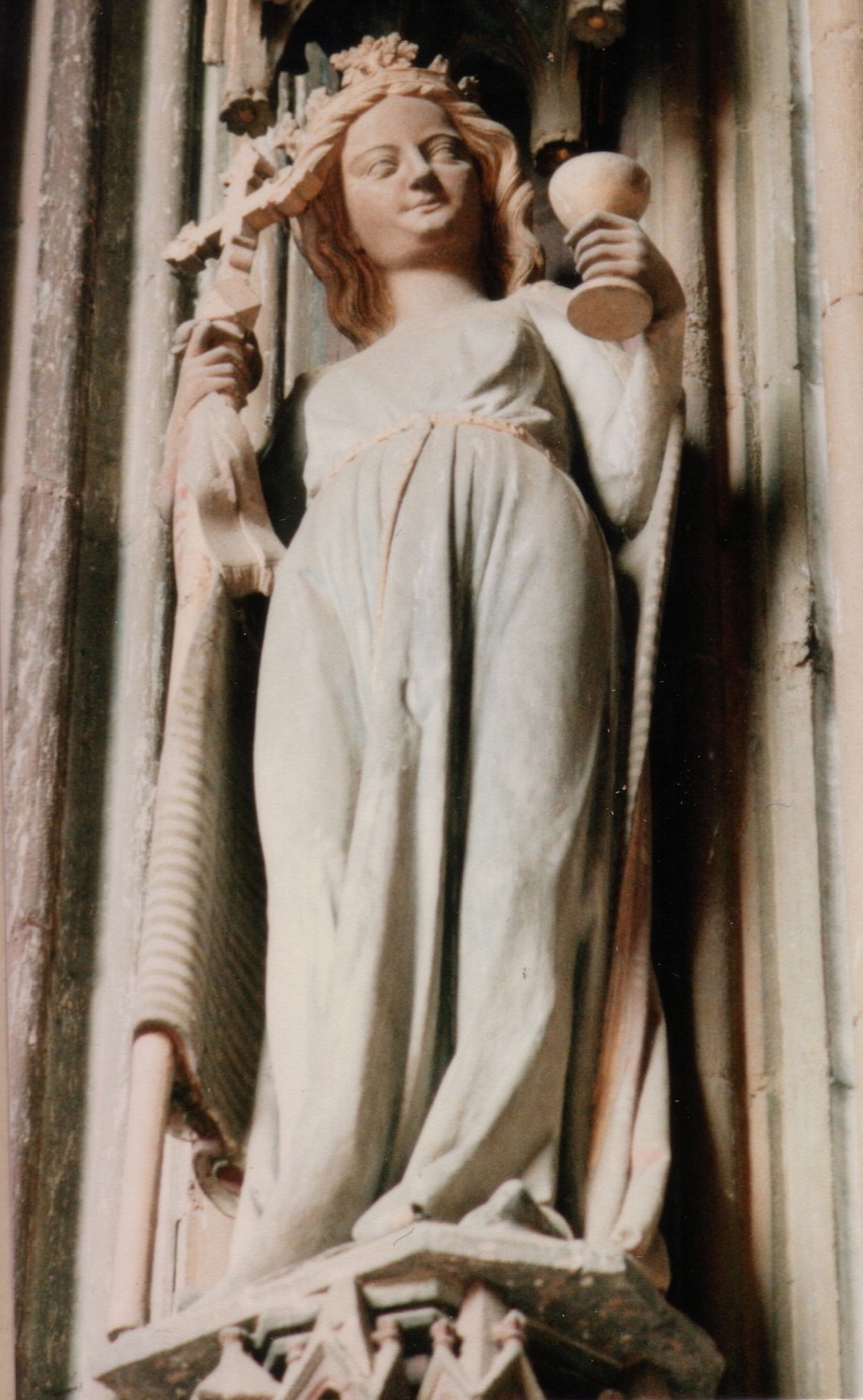


Origin and etymology
The Greek word ekklēsía combines the preposition ek (out of) with the verb kaleō (to call), literally suggesting "those called out." In classical Greek it described a civic assembly; early Christians adopted the word to name their gatherings. The Latin form ecclesia preserved this sense and passed it into the vocabulary of Western Christianity. See how the term appears in conversations about Christian theology and church identity.
Development in scripture and history
In the New Testament ekklēsía is used for Christian communities and, in some passages, for the congregation founded by Christ. Early Christian writers and councils extended the term to describe institutional structures—bishops, presbyters, and local assemblies—while also affirming a broader, universal dimension of the church. Over centuries the word came to carry doctrinal, liturgical, and juridical meanings.
Ecclesiological senses and distinctions
- Local vs. universal: a parish or congregation versus the whole people of God.
- Visible vs. invisible: the institutional community observable in rites and offices versus the spiritual fellowship known fully by God alone.
- Assembly vs. institution: the gathered worshiping body contrasted with hierarchical structures and legal entities.
Functions, practices and importance
As an assembly the ecclesia is the locus of communal worship, sacramental life, teaching, and mutual care. It provides structures for pastoral oversight and organizes rites such as baptism and the Eucharist that mark Christian identity. Different traditions—Eastern Orthodox, Roman Catholic, Protestant—interpret ecclesial authority and membership in distinct ways, which affects governance and ecumenical relations.
Notable facts and contemporary usage
The classical civic meaning of "assembly" helps explain historical overlaps between church and public life in many societies. Today the word continues to function across academic theology, liturgical practice, and ecumenical dialogue. For more on related terminology such as congregation and assembly, consult resources labeled congregation.
Questions and answers
Q: What does the word "Ecclesia" mean in Christian theology?
A: Ecclesia means both a particular body of faithful people and the whole body of the faithful.
Q: What is the origin of the word Ecclesia?
A: The word Ecclesia has its origin from the Greek word ekklesia.
Q: What does the word "ek" mean in the word Ecclesia?
A: The word "ek" means "out of" in the word Ecclesia.
Q: What is the meaning of the verb "kaleo" in Ecclesia?
A: The verb "kaleo" signifies "to call" in Ecclesia.
Q: What does the compound "ekklesia" literally mean?
A: The compound "ekklesia" literally means "to call out" as a compound of "ek" and "kaleo".
Q: What did the original usage of Ecclesia mean?
A: The original usage of Ecclesia was to "call out".
Q: What replaced the original usage of Ecclesia?
A: The original usage of Ecclesia was replaced with "assembly, congregation, council", or "convocation".
Related articles
Author
AlegsaOnline.com Ecclesia (Church): meaning, origins, and ecclesiological uses Leandro Alegsa
URL: https://en.alegsaonline.com/art/29859