
Calligraphy: the art and practice of beautiful writing
Calligraphy is the disciplined art of forming letters and expressive marks. This article covers its tools, styles, history in different cultures, contemporary uses, and distinguishing features.
Calligraphy is the purposeful creation of letterforms and expressive marks using specialized tools and controlled movement. The word derives from the Greek term for "beautiful writing," and the practice blends visual design, manual skill, and cultural convention. At its core calligraphy values rhythm, contrast, spacing and the relationship of individual strokes to the whole composition. It can be both highly functional—legible text made attractive—and purely expressive, where the gesture of the mark carries aesthetic weight.
Image gallery
10 Images



Characteristics and tools
Most calligraphic systems depend on a few basic elements: a writing implement (broad-edged pen, pointed nib, or brush), an ink or pigment, and a receptive surface such as paper, parchment or silk. Tools determine the range of possible strokes: broad nibs create thick-and-thin contrasts, pointed pens allow hairlines and flourishes, and brushes support sweeping, continuous gestures. Important technical concepts include stroke order and pressure, pen angle or brush tilt, spacing between letters and lines, and the visual balance of positive and negative space.
Styles and regional traditions
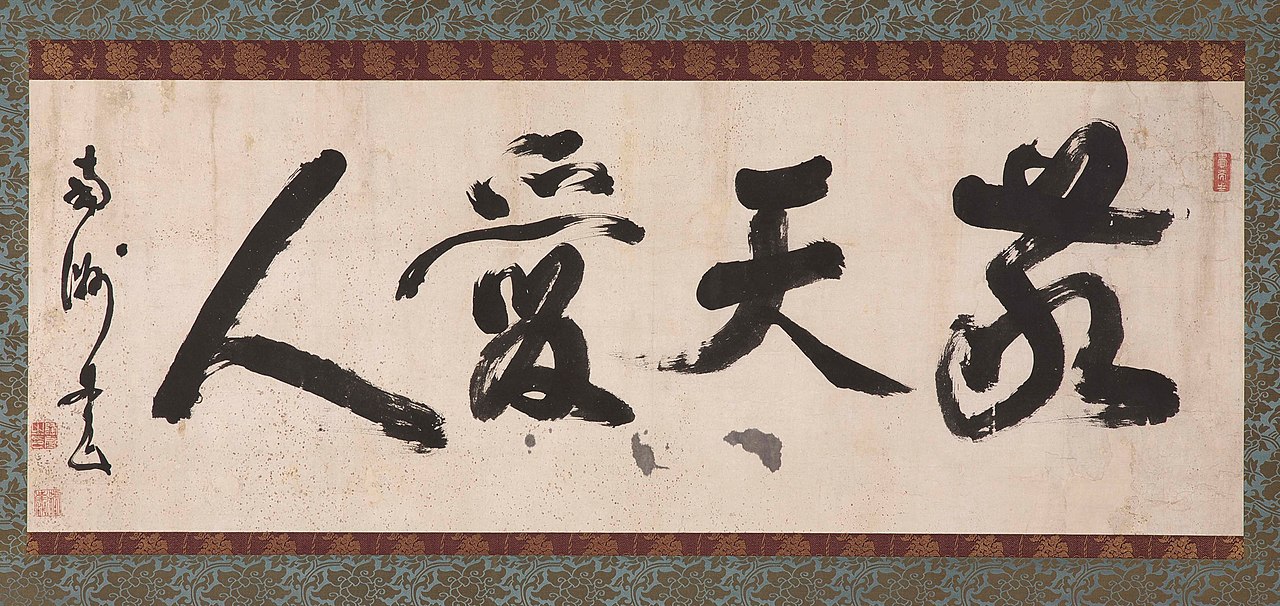
Different cultural traditions developed distinct styles and priorities. Western calligraphy historically emphasized alphabetic forms—Uncial, Carolingian, Gothic (Blackletter), Italic and copperplate are widely recognized families—each with specific pen angles and proportions. In East Asia, where characters are logographic, East Asian calligraphy has long been esteemed as a major art: stroke order, brushwork energy (often called "spirit"), and the integration of writing with painting define its aesthetics. Islamic calligraphy focused on stylized cursive and geometric scripts, becoming a dominant decorative art in architecture and book design.
History and development
Calligraphic techniques evolved alongside writing materials and social needs. Parchment and vellum, the invention of metal nibs, and the spread of paper each influenced letter shapes and layout conventions. In several cultures calligraphy rose beyond mere utility: in East Asia it attained high cultural status centuries before and during the Tang Dynasty, becoming central to education and artistic life; in the Islamic world it was a primary vehicle for religious and decorative expression; in Europe it served both functional record-keeping and the illuminated page, and later inspired revival movements in the 19th and 20th centuries.
Uses, practice and modern relevance
Today calligraphy appears in a wide range of contexts: invitations, diplomas, signage, type design and digital fonts, branding, conservation of historic manuscripts, and contemporary art. Learning calligraphy remains a disciplined craft that builds hand control, visual judgment and historical awareness; for many practitioners it is also a meditative or performative activity. Schools and workshops teach traditional scripts and improvisational lettering, while digital tools allow calligraphic styles to be adapted for web and print.
Distinctions and notable facts
- Tools and gestures differ: brush calligraphy emphasizes continuous, variable-pressure strokes; pen-based systems rely on discrete angled strokes and nib edges.
- Calligraphy can be both communal and highly personal—styles often identify time periods, regions and social functions.
- Contemporary revival and experimental calligraphy blend historical scripts with modern materials and typography.
For further reading on techniques and historical examples, consult specialized resources and practice guides. Many online and printed manuals provide step-by-step instruction for basic alphabets and brushwork, and museums preserve exemplary manuscripts and inscriptions that illustrate calligraphy's evolving role in visual culture.
See also: general overview, origins and terminology, Western script families, East Asian traditions.
Questions and answers
Q: What is calligraphy?
A: Calligraphy is an art of writing that involves decorating words on a page.
Q: What is the origin of the word calligraphy?
A: The word calligraphy originates from the Greek language and it means "beautiful writing".
Q: Is calligraphy considered a major art form in the Western world?
A: No, calligraphy has always been considered as a minor art form in the Western world.
Q: Was East Asian calligraphy considered a high art form before the Tang Dynasty?
A: Yes, East Asian calligraphy was considered a high art form before the Tang Dynasty.
Q: Does calligraphy still have a high status among the arts in East Asian countries?
A: Yes, calligraphy continues to have a high status among the arts in East Asian countries.
Q: Who can practice calligraphy?
A: Anyone can practice calligraphy, including school children.
Q: How is calligraphy practiced?
A: Calligraphy is practiced by using special pens, brushes, and ink to write words in a beautiful and artistic way.
Related articles
Author
AlegsaOnline.com Calligraphy: the art and practice of beautiful writing Leandro Alegsa
URL: https://en.alegsaonline.com/art/16173
Sources
- depts.washington.edu : depts.washington.edu/chinaciv/callig/callmain.htm