
Dwarka: Ancient Indian city and sacred pilgrimage site
Dwarka is an ancient city on India's western coast, revered in Hindu tradition as Krishna's capital and one of the four Dhams; it remains an important archaeological site and active pilgrimage destination in Gujarat.
Dwarka is a coastal city in western India long associated with the god Krishna and with ancient Indian tradition. Celebrated in epic and Purānic accounts as the capital of Krishna and the Yadava clan, Dwarka figures among the traditional seven sacred cities and as one of the four principal Hindu pilgrimage centers or Dhams. Today a living town with an important temple complex, Dwarka is also the focus of archaeological and maritime research into its earlier phases.
Image gallery
10 Images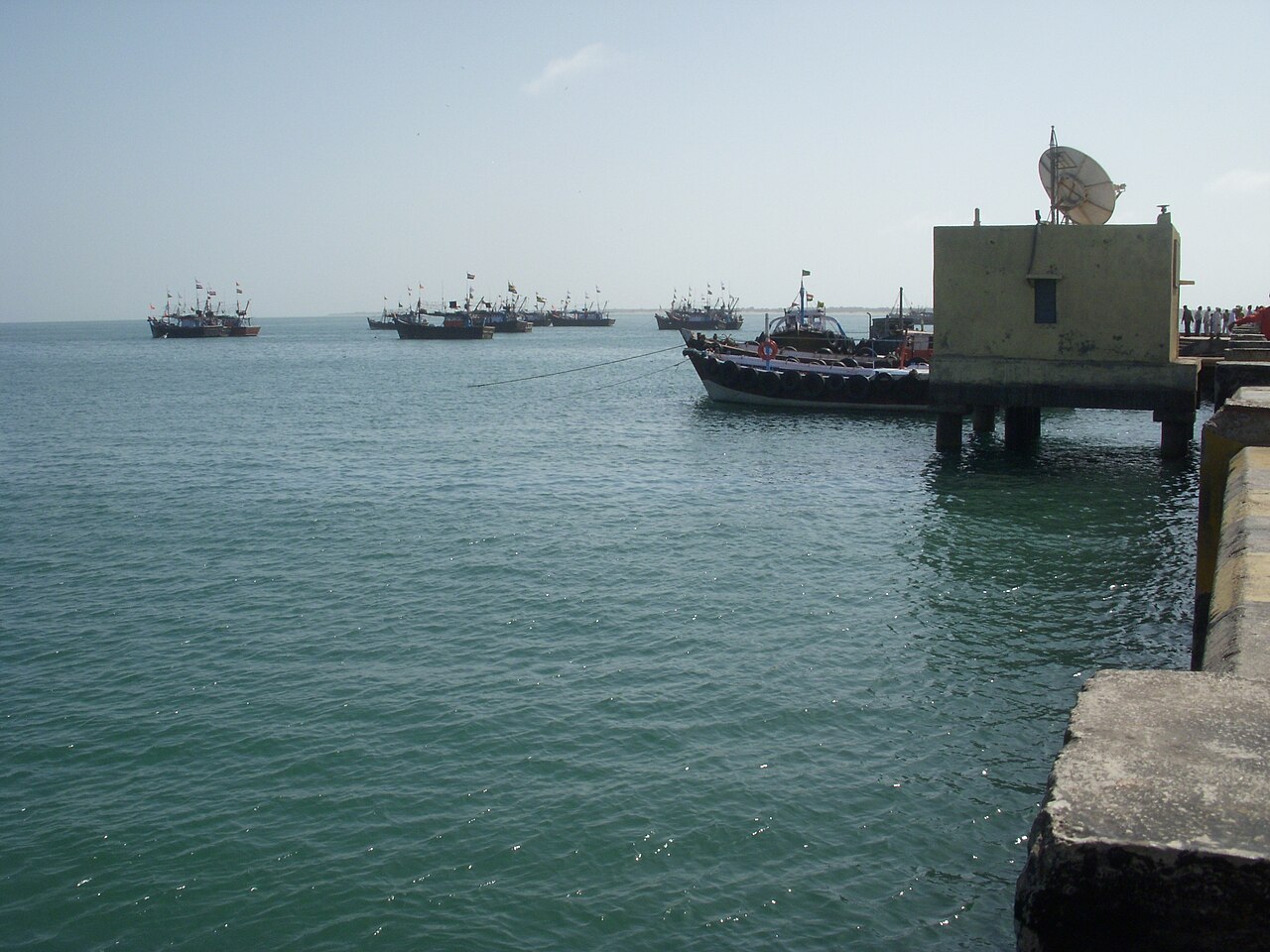



History and legendary origins
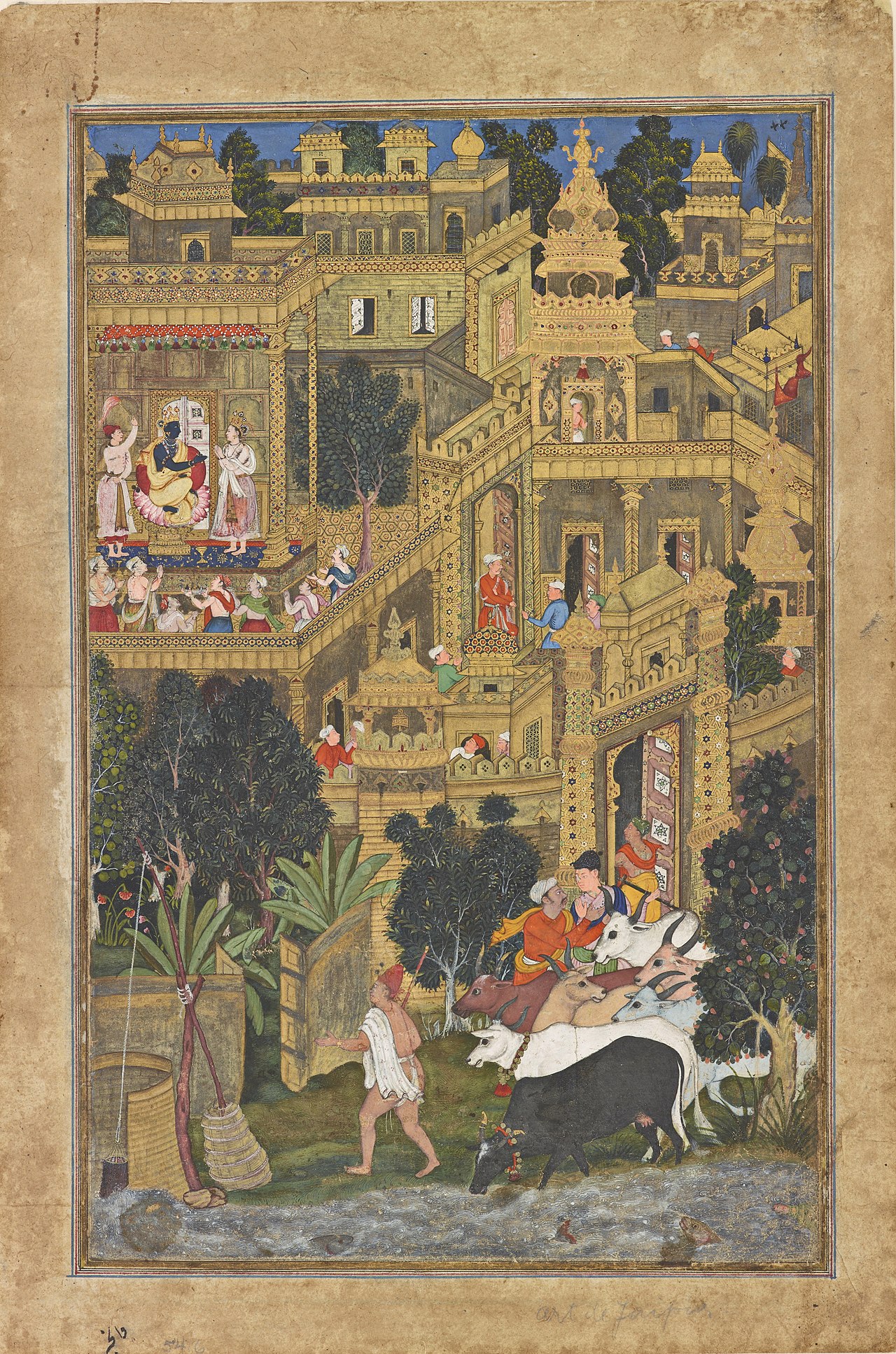
Classical and medieval Hindu sources describe Dwarka as the prosperous capital ruled by Krishna and his followers. Those narratives also recount that the city eventually sank beneath the sea after Krishna's departure, a claim found in several traditional accounts. Modern descriptions therefore distinguish between the legendary, submerged city of the epics and the continuously inhabited settlement that stands on the coast today. For discussion of early literary references see ancient texts and chronicles.
Religious importance and festivals
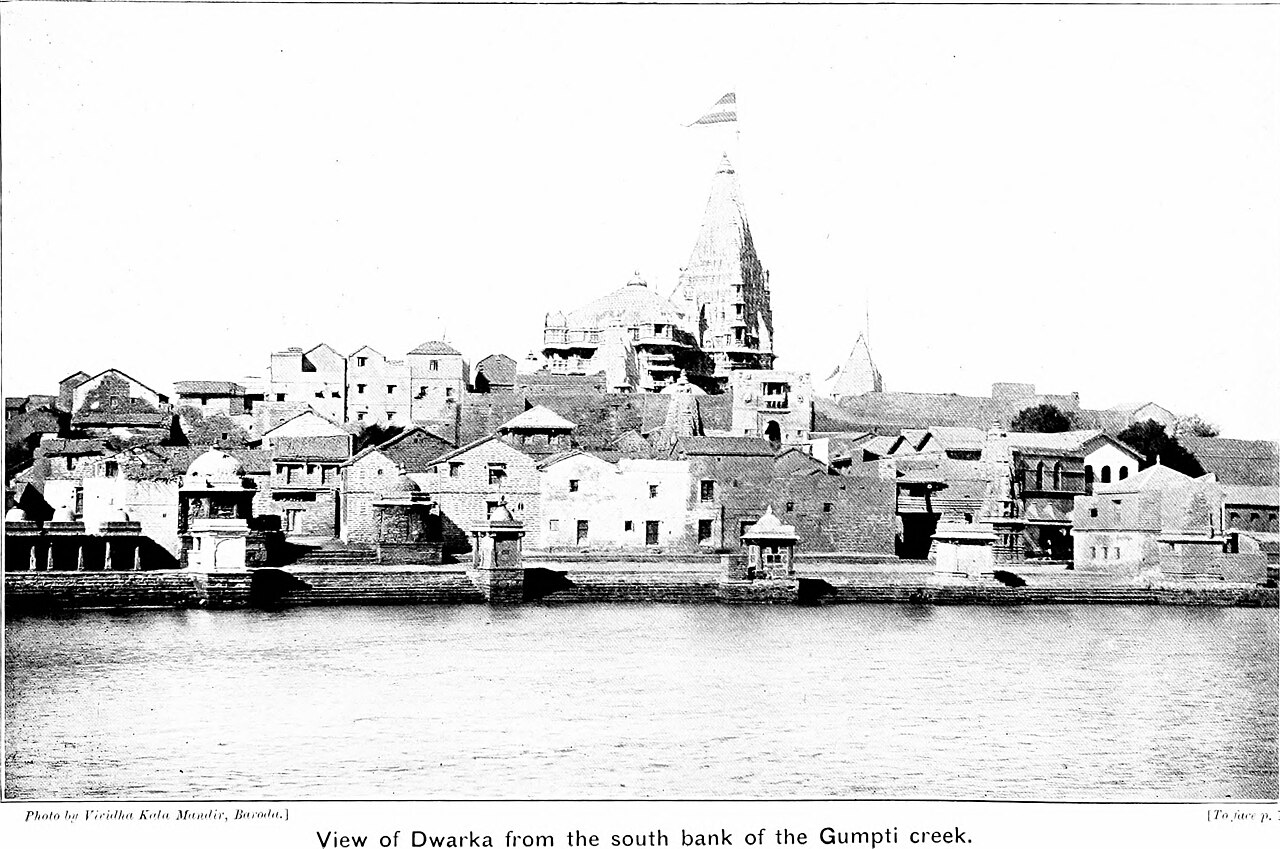
Dwarka's principal shrine is the Dwarkadhish ("King of Dwarka") Temple, dedicated to Krishna in his role as a ruler and divine hero. The site is one of the four sacred Dhams established in the Hindu pilgrimage circuit and attracts devotees from across the subcontinent. Major events that draw large crowds include celebrations of Krishna's birth, commonly observed as Janmashtami, as well as spring and autumn festivities such as Holi and Diwali. Pilgrims also regard Dwarka as one of the seven holiest cities in some traditional lists; its ritual status is discussed in guides to the Dhams and sacred towns.
Archaeology and submerged remains
Interest in Dwarka extends beyond religion to archaeology and marine exploration. Divers and researchers have reported submerged structures, walls and ruins off the coast near the modern town, and these finds have stimulated debate about their date and relationship to the legendary city. Interpretations vary: some scholars see evidence of early habitation and harbor structures, while others urge caution and call for more systematic study. The traditional narrative that the city later "went below the sea" is recorded in many accounts and is often cited alongside scientific investigations (submergence traditions).
Location, architecture and visitor experience
Dwarka lies on the western edge of the Indian subcontinent in the state of Gujarat, facing the Arabian Sea in western India. The living town contains the temple complex, market streets, and facilities for pilgrims and tourists. Architecturally, the main temple displays features typical of western Indian temple building, with a multi-storied sanctum, carved pillars and a tall spire. Visitors commonly combine a temple visit with coastal walks and boat trips to nearby islands and submerged sites where permitted.
Significance and distinctions
- Religious: One of the Char Dham pilgrimage sites and traditionally among the seven sacred cities.
- Cultural: A focal point for festivals and Vaishnava devotional traditions linked to Krishna.
- Scientific interest: A location for coastal archaeology and underwater surveys that probe human settlement and sea-level change.
Whether approached through faith, history or archaeology, Dwarka remains a place where living devotion, layered traditions and material remains meet. For further general reading and practical visitor information consult regional guides and institutional reports on the site and its maritime context (background sources, pilgrimage overviews, geographic accounts, state resources, festival guides, cultural calendars, marine studies).
Related articles
Author
AlegsaOnline.com Dwarka: Ancient Indian city and sacred pilgrimage site Leandro Alegsa
URL: https://en.alegsaonline.com/art/29395