
Duttaphrynus stomaticus — the Indus Valley (marbled) toad
A neutral overview of Duttaphrynus stomaticus, a marbled toad native to the Indus Valley region: appearance, habitat, behaviour, range, reproduction and its cultural status in Pakistan.
Duttaphrynus stomaticus, commonly called the Indus Valley toad, marbled toad, Punjab toad or house toad, is a species of true toad in the family Bufonidae. It is most strongly associated with the Indus River basin and nearby lowlands of south‑central Asia. The species is adaptable to human-modified landscapes and is often observed around dwellings and agricultural fields.
Image gallery
3 Images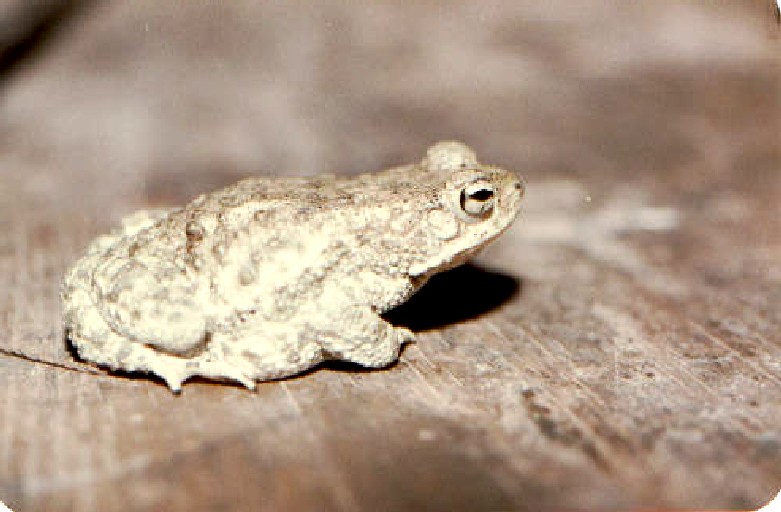


Appearance and distinguishing features
This is a moderate‑sized toad with a squat body, rough warty skin and a characteristic marbled or blotched dorsal pattern that gives it its common name. Like other bufonids it has prominent parotoid glands behind the eyes, short limbs for walking and hopping, and a generally cryptic coloration that helps it blend into soil and field debris. These external features distinguish it from smoother-skinned frogs in the same region.
Range and habitat
Duttaphrynus stomaticus is best known from the Indus Valley and surrounding plains. Documented occurrences include areas in Pakistan and parts of Iran, with reports from adjacent territories such as Afghanistan considered possible. It favors flat, cultivated land with access to still or slow-moving water: irrigation channels, ponds, seasonal pools and village wells. Its tolerance of disturbed habitats explains why it is frequently seen near homes.
Behaviour, diet and reproduction
The species is primarily nocturnal. By night it forages for invertebrates — especially ants, beetles and other common ground-dwelling insects — using sit-and-wait and active-search tactics. During the day it shelters under stones, in burrows or beneath vegetation. Breeding generally coincides with seasonal rains; adults congregate at temporary pools and slow waters to mate and lay eggs, often as long gelatinous strings typical of toads.
Conservation and cultural notes
Because D. stomaticus tolerates a range of agricultural and peri‑urban environments, it is not restricted to pristine habitats. This adaptability has helped maintain its local populations despite habitat change. The species is locally significant: it is commonly called the "house toad" in areas where it lives close to people and has been recognized in Pakistan as a national amphibian symbol by some authorities and communities. Ongoing monitoring of distribution and threats such as pollution and drastic habitat loss remains important.
Related facts and identification tips
- Taxonomy: a member of Bufonidae; older literature may list it under Bufo or related genera.
- Identification: look for marbled dorsal pattern, warted skin and large parotoid glands.
- Similar species: sympatric frog species are usually smoother-skinned and more aquatic; the marbled toad's terrestrial habits and texture help separate it.
For more region-specific records and conservation assessments consult local faunal surveys and herpetological references via national biodiversity portals and academic resources (regional records, range notes, adjacent area reports).
Related articles
Author
AlegsaOnline.com Duttaphrynus stomaticus — the Indus Valley (marbled) toad Leandro Alegsa
URL: https://en.alegsaonline.com/art/29365
Sources
- iucnredlist.org : "Duttaphrynus stomaticus"
- doi.org : 10.2305/IUCN.UK.2009.RLTS.T54768A11201081.en
- commons.wikimedia.org : Bufo stomaticus
- species.wikimedia.org : Bufo stomaticus