
Duttaphrynus melanostictus — Common Asian (Indian) Toad
A widespread, adaptable toad of South and Southeast Asia. Known for warty skin, monsoon breeding, black tadpoles and a role in controlling insects; generally common and not threatened.
Duttaphrynus melanostictus, commonly called the Common Asian or Common Indian Toad (also sometimes referred to as the Black‑spined Toad), is a widespread amphibian of South and Southeast Asia. It occupies a variety of habitats from rural fields and gardens to towns and city parks, and is often one of the most familiar amphibians to people living in its range. The species is generally abundant and not currently regarded as threatened.
Image gallery
6 Images


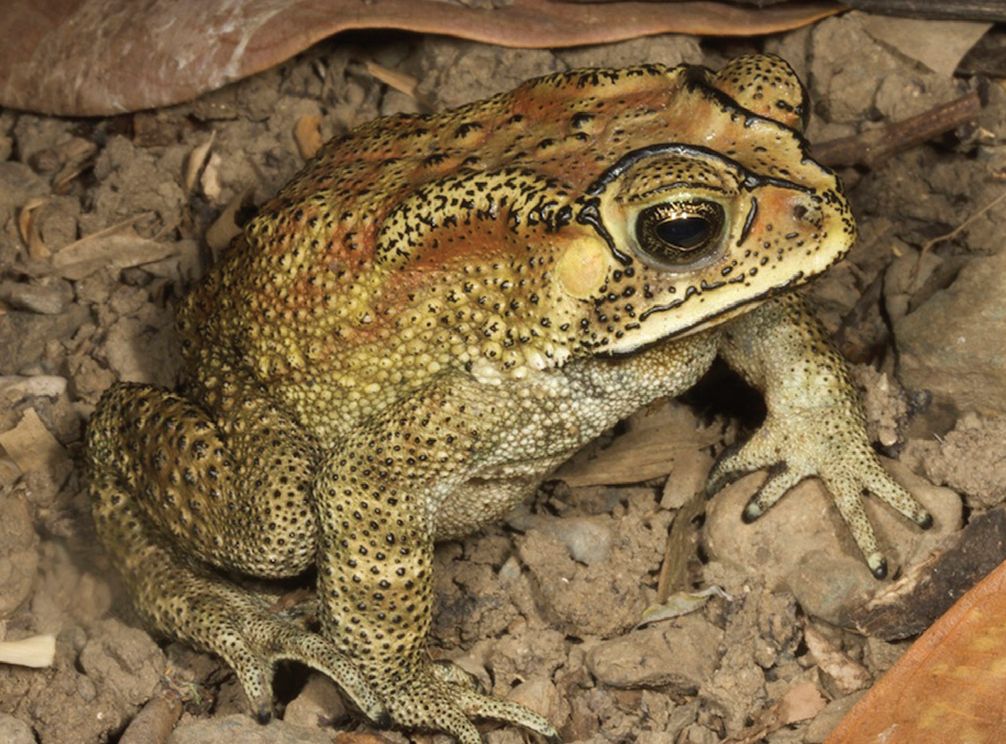
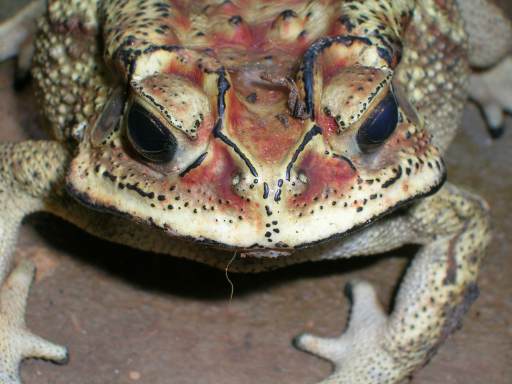
Identification and physical characteristics
This toad is robust and heavily built, with adults varying widely in size; larger individuals may approach two dozen centimetres in body length, while many are smaller. The skin is covered in glandular warts and ridges; notable features include prominent parotoid glands behind the eyes and bony cranial crests. Colouration ranges from brownish to grey or olive, often with darker markings that help it blend into leaf litter and urban groundcover. The vernacular name "Black‑spined Toad" refers to dark, pointed tubercles that may be visible on some specimens, especially breeding males.
Life cycle and behaviour
Duttaphrynus melanostictus breeds primarily in standing water associated with the rainy season. Breeding is often explosive, with many individuals gathering at ponds, ditches and temporary pools. Females lay long strings of eggs in water which hatch into black tadpoles; these tadpoles commonly form dense shoals. After metamorphosis, juvenile toads disperse and may appear in large numbers following the rains, a phenomenon familiar in many parts of its range. Males call to attract mates and compete at breeding sites.
Diet, ecology and interactions
- Diet: largely carnivorous, feeding on insects, spiders and other small invertebrates, which makes it an effective natural pest controller.
- Defence: skin glands produce sticky and sometimes toxic secretions (bufotoxins) that deter some predators; caution is advised when handling.
- Predators and threats: birds, snakes and small mammals prey on adults and tadpoles; habitat loss and pollution can impact local populations.
Because of their close association with human environments, these toads are important for studying urban ecology and amphibian adaptability. Their presence often signals healthy invertebrate communities, while sudden declines can indicate environmental problems.
Taxonomy and notable facts
The species has a complex taxonomic history and has been placed in the broad toad genus historically known as Bufo, but is now recognised in the genus Duttaphrynus. Local names and folklore vary widely across its range. For further information on the species' distribution see the range overview, and for observations of the post‑monsoon juvenile gatherings see accounts of young toads.
Related articles
Author
AlegsaOnline.com Duttaphrynus melanostictus — Common Asian (Indian) Toad Leandro Alegsa
URL: https://en.alegsaonline.com/art/29363