
Dust storm (sandstorm): causes, effects, and mitigation
A dust storm (sandstorm) lifts loose sand and fine particles into the air, reducing visibility, damaging soils, affecting health and climate, and forming loess deposits far from their origin.
Overview
A dust storm, often called a sandstorm in sandy regions and sometimes a haboob where driven by thunderstorm outflow, is a meteorological event in which strong winds lift and carry loose particles from the ground into the air. These suspended particles range from coarse sand that moves near the surface to very fine silt and clay that can remain aloft for long distances. Dust storms reduce visibility, interfere with transport, and can deposit material over long distances.
Image gallery
7 Images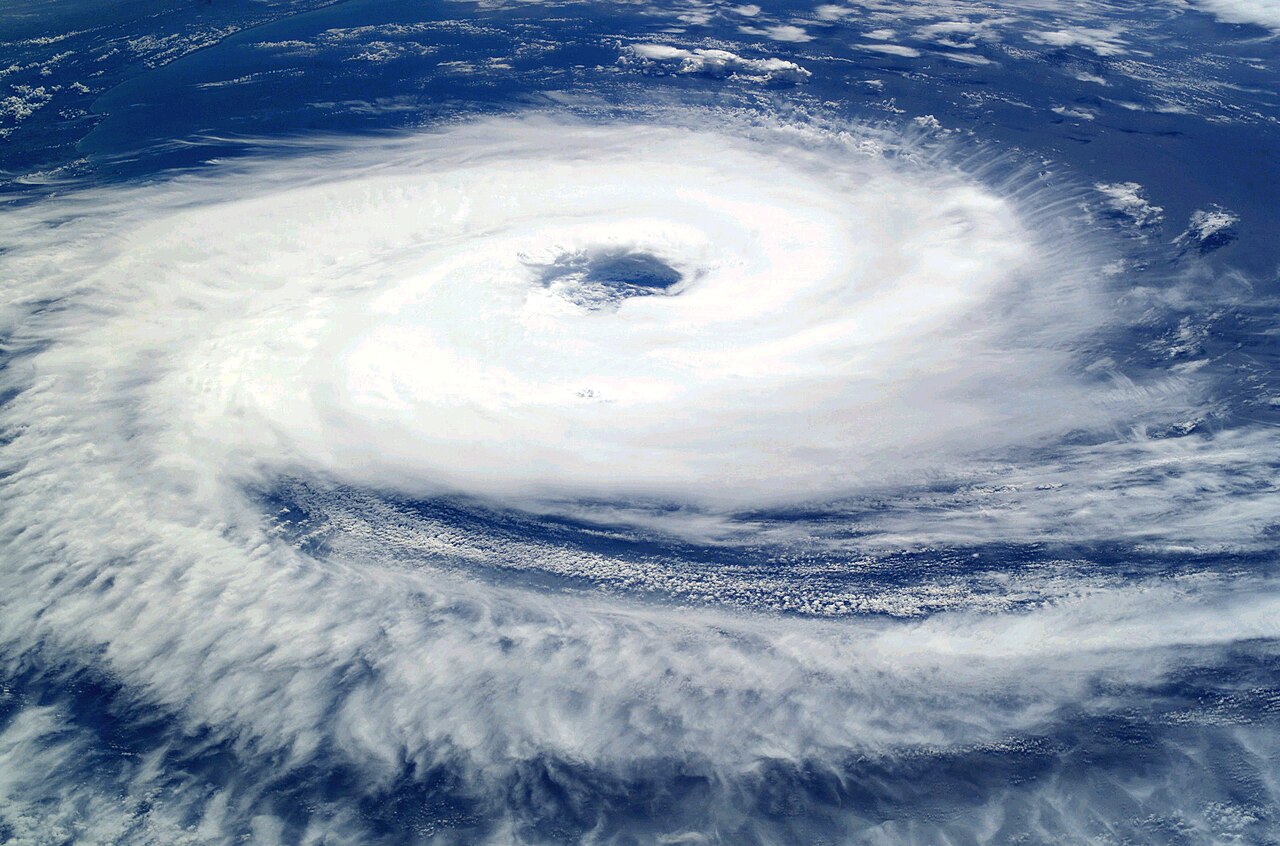


Physical characteristics and deposits
Particles entrained in storms include larger grains of sand and smaller fractions of dirt and mineral dust. The mixture determines how high the plume rises and how far it travels. Over time, transported silt can accumulate as loess—fertile windblown deposits that have supported agriculture in many parts of the world—and are linked to the redistribution of soil and nutrients (loess formation).
Causes and development
Dust storms form when strong, turbulent winds move over dry, unvegetated surfaces. Common meteorological drivers include cold fronts, convective downdrafts, and persistent gale-force winds. Human activities such as overgrazing, deforestation, unsustainable farming, and drought increase the availability of loose sediment and raise the frequency and intensity of dust events by promoting soil erosion.
Impacts and examples
Dust storms affect health, economy, and the environment. Fine particles can aggravate respiratory and cardiovascular conditions; visibility loss causes traffic accidents and aviation hazards; and deposited dust can damage crops, clog machinery, and contaminate water. Large episodes originating in desert regions have been tracked across continents, demonstrating how local erosion can have distant consequences.
Mitigation and forecasting
Communities reduce risk through land-management practices that stabilize soil and increase vegetation cover, use of windbreaks and cover crops, and engineering measures where appropriate. Forecasting systems combine surface observations, weather models, and remote sensing to issue warnings. Practical personal measures include staying indoors during severe events and using respiratory protection if exposure is unavoidable.
Notable facts and distinctions
- Terminology varies by region: "sandstorm" often implies coarser grains near deserts, while "dust storm" covers a wider particle size range (sand, dirt, silt).
- Long-term fallout from storms contributes to loess deposits that have shaped soils and human settlement patterns.
- Efforts to limit soil erosion and restore vegetation reduce the frequency of severe events.
For practical guidance, local weather services provide region-specific advisories and preparedness steps. Further technical and scientific resources are available through monitoring networks and studies that use atmospheric observations and models to track dust transport and impacts (overview, aerial transport, erosion, sand, soil, loess).
Related articles
Author
AlegsaOnline.com Dust storm (sandstorm): causes, effects, and mitigation Leandro Alegsa
URL: https://en.alegsaonline.com/art/29340