
DuPage County, Illinois: Overview, History, Communities, and Features
DuPage County, immediately west of Chicago, is a heavily suburbanized Illinois county known for affluent towns, strong local economy, preserved open space, and Wheaton as its county seat.
Overview
DuPage County lies in northeastern Illinois, just west of the city of Chicago. Originally rural, it became a major suburban county during the 20th century and today ranks among the state’s most populous counties. The county combines dense residential neighborhoods, commercial centers and preserved parkland. Local government, schools and special districts serve a diverse mix of communities across an area that has seen sustained population and economic growth. For county-specific information see DuPage County resources.
Image gallery
10 Images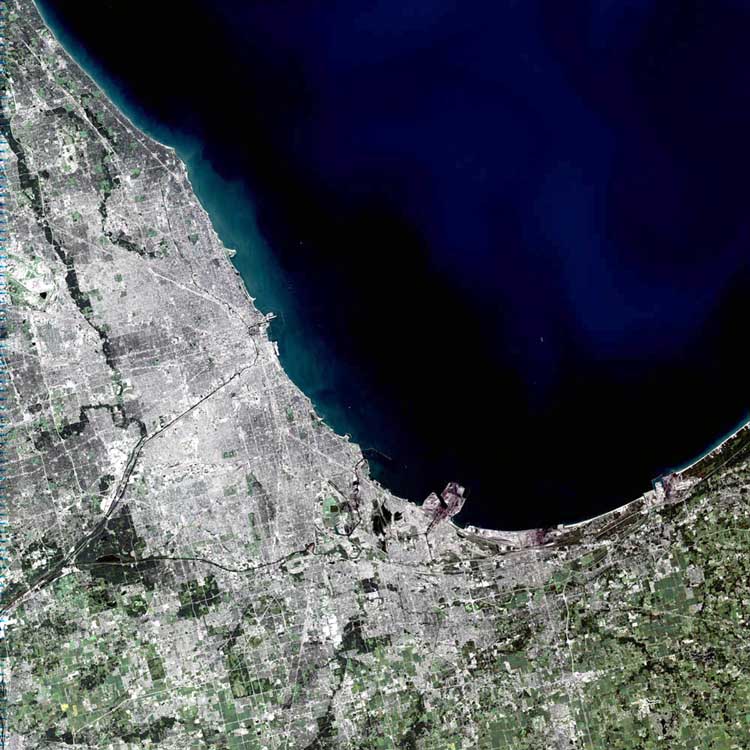




Geography and communities
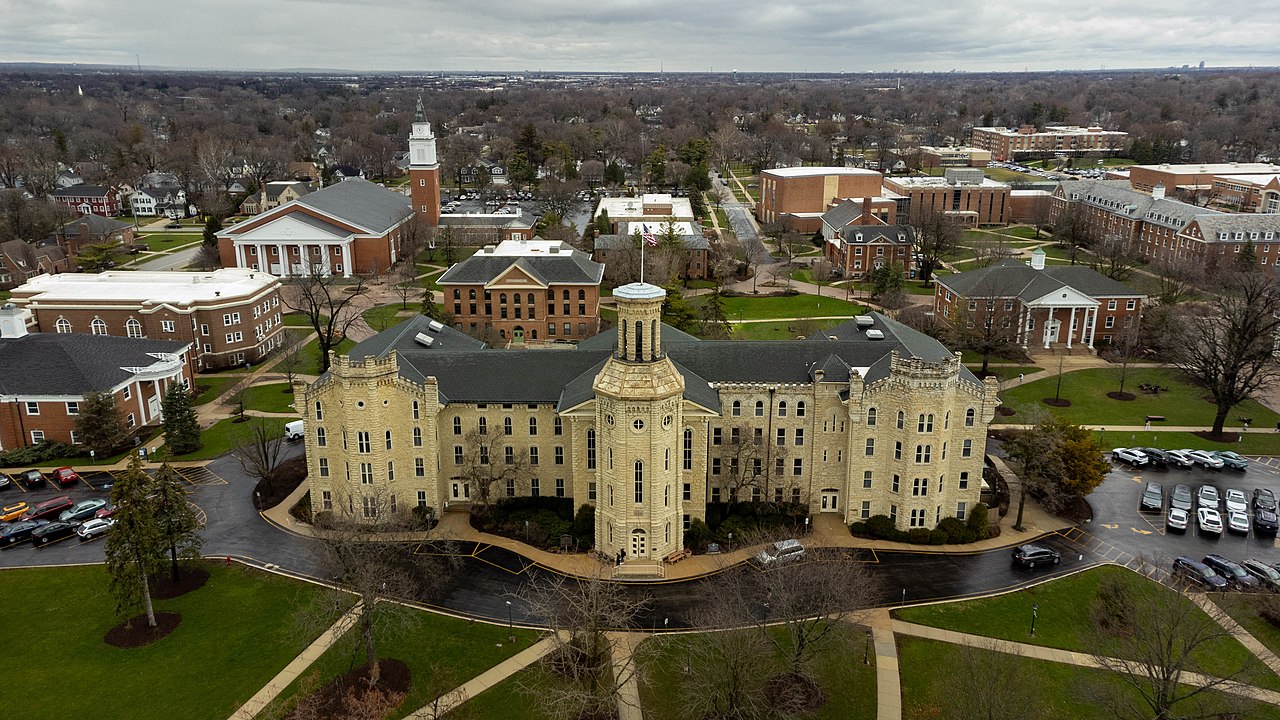
Landscape in DuPage varies from river corridors to suburban subdivisions and business parks. The county seat is Wheaton, which hosts administrative and judicial offices. Other prominent municipalities include Naperville, Downers Grove, Glen Ellyn, Hinsdale, and Oak Brook. These communities differ in scale and character: Naperville is one of the largest by population, Oak Brook contains a concentration of corporate headquarters and shopping centers, and smaller towns retain historic downtown areas and residential character.
History and development
Prior to European-American settlement the area was occupied by Indigenous people. Agricultural settlement and small towns expanded in the 19th century along transportation routes. The mid-20th century brought rapid suburbanization, driven by highways, commuter rail, and postwar housing demand; this transformed farmland into residential neighborhoods and commercial corridors. Census records and regional histories trace that shift; for official counts consult the census.
Economy and demographics
DuPage has a mixed economy: professional services, healthcare, retail, manufacturing and corporate offices all contribute to employment. Several suburbs are known for high median household incomes and upscale housing. Media and regional rankings sometimes note places such as Hinsdale among affluent communities, and broader references to the region describe its standing in the Midwest. Commuting patterns link many residents to jobs in Chicago while local institutions and businesses provide substantial employment within the county.
Parks, culture, and institutions
Despite suburban development, DuPage maintains an extensive network of forest preserves, park districts and trails that protect wetlands, prairies and riverfronts. Cultural and educational institutions—colleges, museums, theaters and community centers—serve residents and visitors. Recreational amenities, conservation programs and regional transit options shape daily life for many people who live in the county. The county’s built environment illustrates how suburbanized landscapes can include significant preserved open space.
Notable facts and distinctions
- The county seat is Wheaton, which houses county administration and courts.
- Communities such as Hinsdale and Naperville are frequently cited for high property values and services.
- DuPage’s postwar suburban expansion is often cited in studies of American suburban development and regional planning.
- For state and local data consult Illinois and county portals for updated demographic and economic information.
Related articles
Author
AlegsaOnline.com DuPage County, Illinois: Overview, History, Communities, and Features Leandro Alegsa
URL: https://en.alegsaonline.com/art/29273
Sources
- quickfacts.census.gov : "State & County QuickFacts"
- naco.org : "Find a County" · web.archive.org
- triblocal.com : "Poverty rate rising in Downers Grove Township" · web.archive.org