
Naperville, Illinois: history, geography, growth, and community
Comprehensive overview of Naperville, Illinois: its founding in 1831, geographic setting, economic development, landmarks, schools, parks, transportation and notable events through the 19th–21st centuries.
Naperville is a suburban city in Illinois within the United States. Located along the banks of the DuPage River, it developed from an early 19th‑century settlement into a large and diverse suburban center. Today Naperville is known for a historic downtown, an extensive park and preserve system, strong public schools, and a mix of residential neighborhoods, office parks and retail corridors. The municipal population was reported at roughly 149,540 by the 2020 census and the city is commonly listed among the most populous in the state.
Image gallery
10 Images




Geography and environment
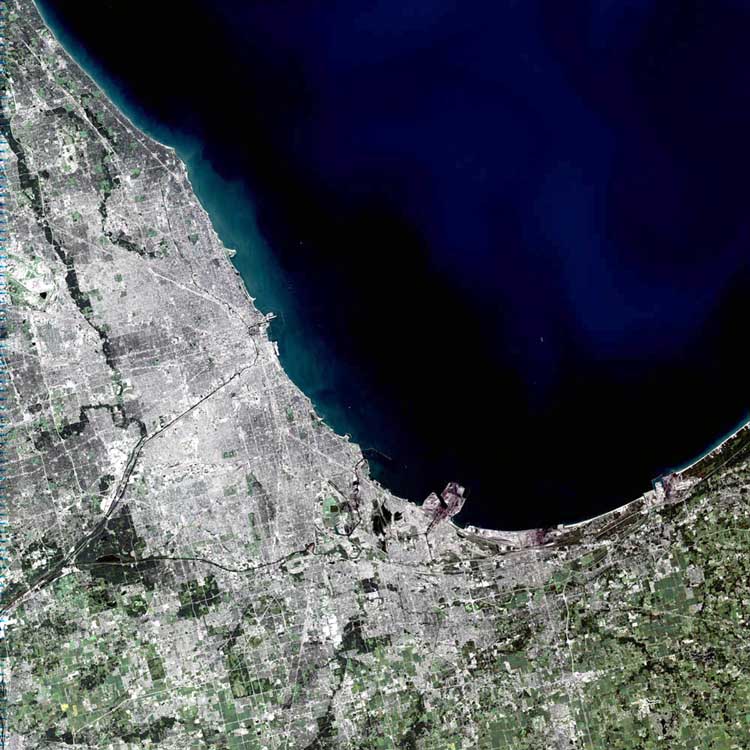
Naperville lies in northeastern Illinois, approximately west of downtown Chicago. According to the 2010 census, the city covers about 39.323 square miles, most of which is land with a modest proportion of surface water and wetland associated with the DuPage River and its tributaries. Low‑lying river corridors create natural habitat and recreation corridors; these areas have influenced land use, flood control planning, and park development. Portions of Naperville drain toward the west and northwest within the DuPage watershed, and the city participates with county and regional agencies in managing stormwater and preserving wooded parcels.
Founding and early history
The community that became Naperville began in 1831 when Joseph Naper and a small group of settlers established a riverfront settlement, often referred to in historical accounts as Naper's Settlement. Before European‑American settlement the region was home to Native American peoples; the broader Illinois Country saw contact, alliance and displacement involving different indigenous groups, including Potawatomi communities cited in local histories. Early settlers established sawmills, gristmills and general stores to serve local farms and trade routes.
Naperville was incorporated as a village in 1857 and later reincorporated as a city in 1890. In the nineteenth century, its location on regional routes and near waterways made it a local center for commerce between larger urban markets such as Chicago and river towns including Ottawa. Early infrastructure projects, from plank roads to stage and rail connections, integrated the settlement with surrounding agricultural and industrial economies.
Economic development and industry
Throughout the 19th and early 20th centuries, Naperville's economy included quarrying, milling and small manufacturing. Local quarries produced stone used in regional building projects following major urban fires in the late 1800s; breweries, furniture makers and other manufacturers supplied regional markets. In the 20th century firms such as Kroehler Manufacturing became significant employers, shipping furniture by rail and supporting local industry. The arrival of research and technical employers in the latter half of the 20th century further diversified the employment base.
After World War II the Chicago metropolitan expansion and improved highway access accelerated Naperville's suburbanization. Highway interchanges and commuter routes reduced travel times to downtown Chicago, encouraging residential subdivisions, shopping centers, medical facilities and office parks. In recent decades health care, education and professional services have been among the largest employment sectors; one prominent local employer is Edward Hospital, which is cited in municipal sources as a major private employer in the community.
Transportation
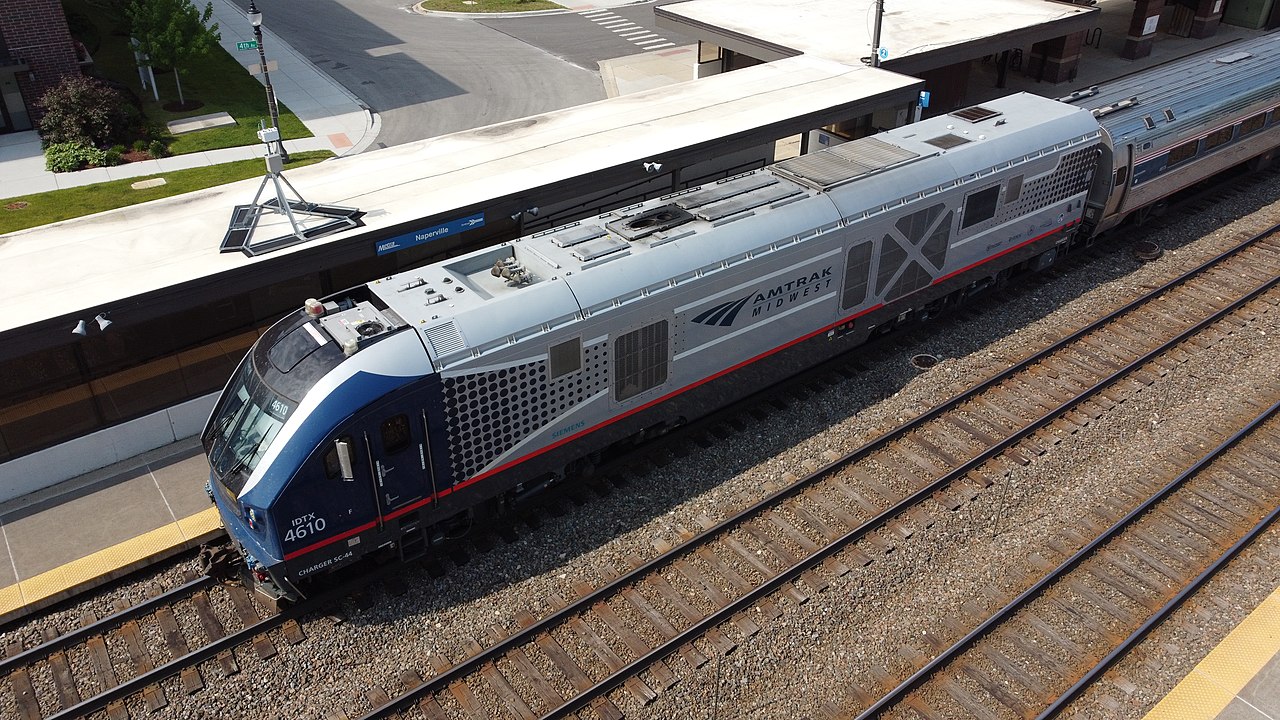
Transportation links have shaped Naperville's growth. Historic plank roads and early rail lines connected the town to regional trade routes; later the development of expressways and interstate links in the mid‑20th century greatly expanded commuting opportunities. Passenger rail service and regional bus connections serve commuters and local travelers, while arterial roads and interchanges link Naperville with neighboring suburbs and downtown Chicago. These transport connections were among the key factors in the city's postwar residential and commercial expansion (regional rail and road links).
Government and civic life
Naperville operates under a municipal government that provides a full range of services: public safety, public works, planning and parks. Historically the community served as an administrative hub for local government and for a time was associated with DuPage County civic functions; its role in county and regional affairs evolved as populations and county seats shifted in the nineteenth and twentieth centuries (county functions). City planning emphasizes a balance between preserving historic districts and accommodating new development, with attention to flood mitigation, transportation capacity and the maintenance of parks and cultural resources.
Education, culture and parks
Public education in Naperville is served primarily by two large school districts: Naperville Community Unit School District 203 and Indian Prairie School District 204. Both districts operate numerous elementary, middle and high schools and are central to the city's residential appeal. Cultural amenities include public libraries, civic arts programming, community festivals and a historic main street that supports retail and dining.
Parks and preserves are a conspicuous part of Naperville's identity. The city maintains neighborhood parks, athletic fields and nature areas; regional forest preserves and greenways along the DuPage River provide longer trails and wildlife habitat. Centennial Beach, a popular recreation site developed around a former quarry, illustrates adaptive reuse of industrial land for community recreation. The Moser Tower and Millennium Carillon are notable civic landmarks and attract musical performances and visitors; the carillon is recognized as one of the larger bell instruments of its type in public settings.
Demographics and growth
Naperville grew steadily from a small 19th‑century town into a major Chicago suburb. Mid‑century population increases accelerated with suburban development beginning in the 1950s and 1960s; developers and builders created thousands of residential lots and new neighborhoods, transforming the local housing landscape. By the late 20th century the city’s population had increased into the tens of thousands and by 2020 was reported at roughly 149,540, making Naperville one of the most populous municipalities in Illinois. Growth patterns reflect broader metropolitan trends—migration to suburbs, demand for quality schools, and the concentration of employment in healthcare, education and professional services.
Hazards, resilience and recent events
Naperville has experienced significant flood events that prompted upgrades to stormwater systems and river corridor management. Notable floods in the late 20th and early 21st centuries led to municipal investments in flood control, green infrastructure and land‑use planning aimed at reducing future risks. The city works with county and regional agencies to coordinate emergency planning and environmental restoration.
Further reading and resources
- Official city information and community services are available from municipal portals and local government pages (Naperville).
- Historical summaries and local museum collections provide accounts of early settlement, including Naper's Settlement and the role of 19th‑century families in building civic institutions (early settlers).
- Regional histories and indigenous studies describe the presence and movements of native peoples in the Illinois Country and the Potawatomi and other nations encountered by early explorers (Potawatomi).
- Topical references on the DuPage watershed, river management and local parks are useful for environmental context (DuPage River).
- For historical maps, census area measurements and official boundary descriptions see archived federal and state resources (2010 census).
This overview synthesizes commonly reported facts about Naperville’s founding, development and contemporary character. For research, planning or visitation, consult municipal resources, regional planning agencies and local historical organizations for primary documents, statistical tables and current public notices.
Related articles
Author
AlegsaOnline.com Naperville, Illinois: history, geography, growth, and community Leandro Alegsa
URL: https://en.alegsaonline.com/art/68326