
Durango City (Victoria de Durango)
Capital and largest city of the Mexican state of Durango. A high‑altitude colonial city founded in the 16th century, noted for mining history, preserved architecture, cultural institutions and regional transport links.
Overview
Durango City, officially Victoria de Durango and known in the Tepehuan language as Korian, is the capital and largest city of the state of Durango, Mexico. Perched at an altitude of about 1,880 metres, it functions as the political, economic and cultural center of the region. The municipality counted more than half a million residents in the early 21st century, with the city serving as the municipal seat.
Image gallery
10 Images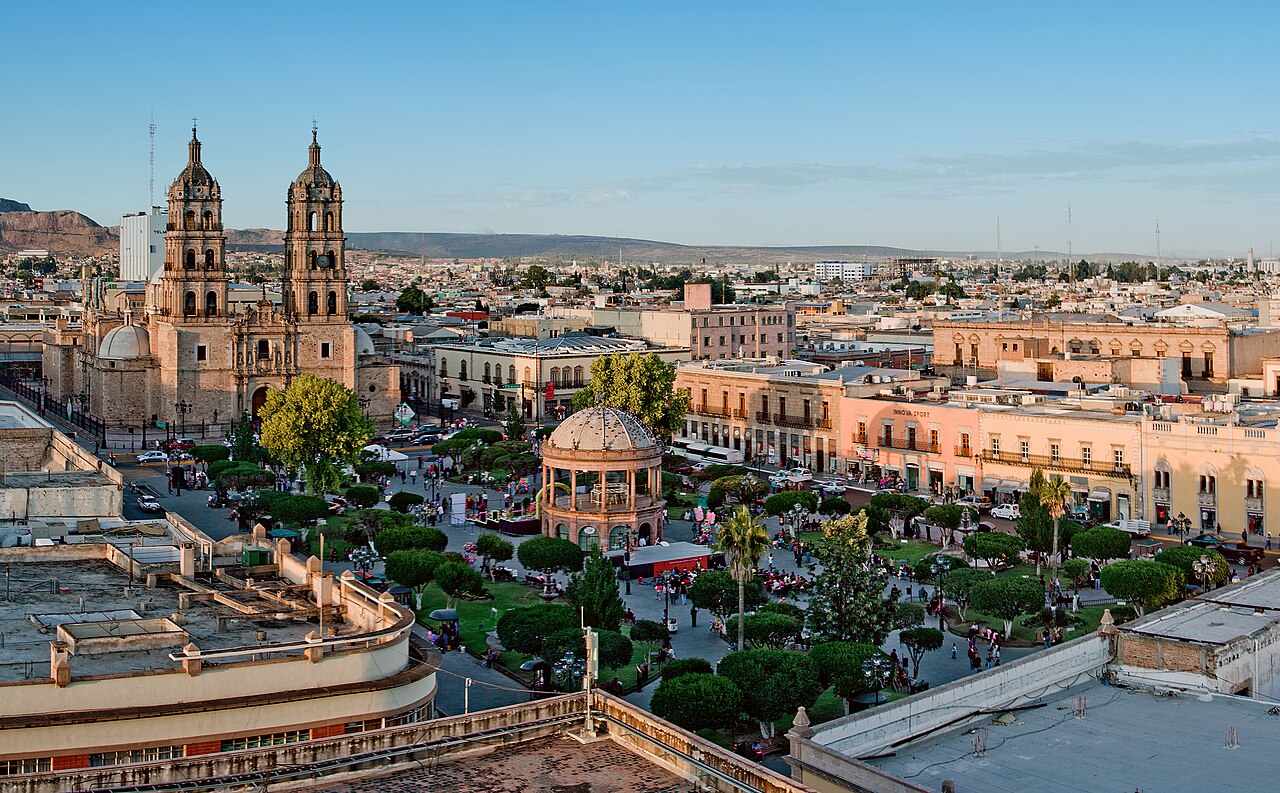




History and development
The city traces its origins to the Spanish colonial period. Established in the 16th century as a base for exploration and mining, Durango grew around silver and other mineral extraction that shaped its early economy and urban fabric. Over time the settlement developed colonial-era churches, administrative buildings and a central plaza that remain prominent features.
Geography and climate
Located inland on the Mexican Plateau, Durango's altitude gives it milder summer temperatures and cooler winters than lower-elevation locations at similar latitudes. The surrounding landscape includes valleys and the beginnings of the Sierra Madre Occidental; this setting influenced patterns of settlement, agriculture and transport corridors linking the city with other parts of the country.
Economy, culture and institutions
Historically anchored in mining, the local economy diversified into agriculture, manufacturing, services and public administration. Durango supports cultural institutions such as regional museums, theaters and universities — including state and private higher-education centers — that serve students from across the state. The city also became known as a filming location for westerns and other productions, a niche that highlighted its dramatic architecture and surrounding landscapes.
Landmarks and transport
Durango preserves a compact historic center with a cathedral, plazas and colonial facades. Notable features include municipal museums, historic neighborhoods and public parks. The city is a regional transport hub, served by highways, rail links and an international airport that connects it with other Mexican cities and supports commerce and tourism.
Notable facts and distinctions
- Official name: Victoria de Durango; indigenous name: Korian.
- High-altitude setting influences its climate and landscape.
- Legacy of colonial architecture and mining history shapes local identity.
- Functions as the administrative, educational and cultural center of the state.
Together, these elements make Durango City a regional capital with a layered history, a mix of economic activities and a preserved urban core that reflects its colonial past and contemporary role in northern Mexico.
Related articles
Author
AlegsaOnline.com Durango City (Victoria de Durango) Leandro Alegsa
URL: https://en.alegsaonline.com/art/29288
Sources
- cuentame.inegi.org.mx : "División municipal. Durango"
- www3.inegi.org.mx : "Información Nacional, por Entidad Federativa y Municipios"
- microrregiones.gob.mx : "Durango"