
Dunwich — the lost medieval port on the Suffolk coast
Dunwich is a small village on the Suffolk coast, once a substantial medieval port largely destroyed by centuries of coastal erosion; today it is noted for ruins, wildlife and local heritage.
Overview
Dunwich is a small village and civil parish on the east coast of England, in the county of Suffolk. Historically it served as an important medieval port, but repeated sea incursions have reduced it to a tiny settlement. Modern Dunwich is set beside low cliffs, beaches and heathland and attracts visitors for its history, natural habitats and local interpretation of the lost town. The village lies within the administrative area traditionally associated with Suffolk Coastal and the wider county of Suffolk.
Image gallery
5 Images


History and coastal erosion
During the Middle Ages Dunwich was a trading and religious centre with many streets, churches and a busy harbour. Over several centuries the North Sea advanced through a process of coastal erosion and storm-driven breaches. This gradual but relentless loss of land removed most of the medieval town: historical accounts and archaeological studies indicate that more than ninety percent of the former settlement now lies under the sea. The phenomenon is discussed in studies of North Sea coasts and coastal management and is a classic example of how long-term shoreline change can reshape human settlement.
Surviving features and archaeology
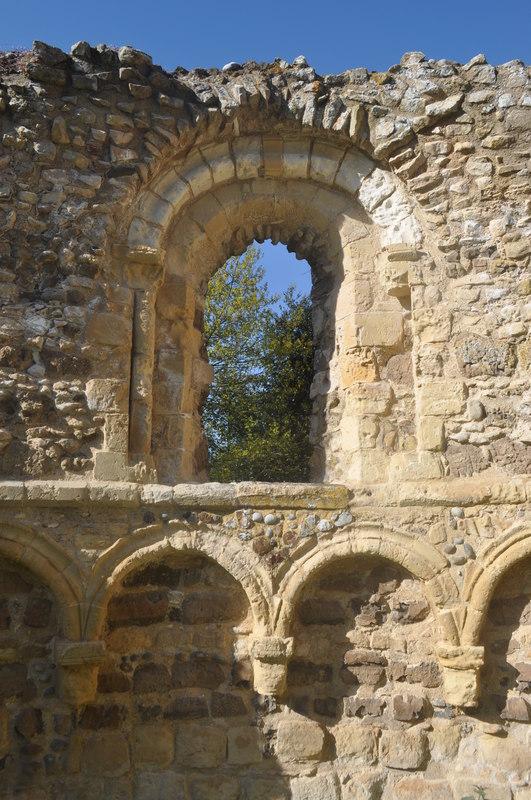
Visible remains are limited but significant. Visitors can still see fragments of medieval masonry and church ruins on the shoreline and in the surrounding countryside. Local excavations and marine surveys have revealed building foundations and artefacts submerged offshore, which together help reconstruct the layout and importance of the lost port. A local museum and information displays interpret those finds for the public. For conservation and interpretation see the local authority and heritage resources such as historic records.
Nature, conservation and present-day village
The area around Dunwich includes coastal heath and lowland habitats that are of interest for wildlife and recreation. Parts of the hinterland are managed for conservation and attract birdwatchers, walkers and natural-history visitors. The modern village is small — census snapshots have recorded low resident numbers, for example an early 21st-century figure of around eighty people — and it supports facilities geared to tourism, heritage and nature study. Sea defences and coastal monitoring are part of local planning and conservation work addressing ongoing erosion.
Significance and cultural references
Dunwich is often cited in discussions of maritime history, coastal erosion and heritage loss. Its dramatic shrinkage illustrates the interaction of natural forces and human settlement patterns. The place has also entered popular culture: its name has been used in literature and fiction, drawing attention to themes of vanished places and coastal mystery. For visitor information and guidance consult local tourist and conservation sites or community resources such as visitor guides and regional archives (coastal records). Further reading and research resources can be found through academic and heritage bodies (research links and marine studies).
- Key topics: medieval port, coastal erosion, archaeological remains, nature reserve, local museum.
- Practical info: small village amenities, walks, interpretation panels and seasonal events; check local sources before visiting (local authority).
For further context on the site's history and conservation see local heritage organisations and research institutions that specialise in coastal archaeology and historic landscape change (county resources, archive centres).
Related articles
Author
AlegsaOnline.com Dunwich — the lost medieval port on the Suffolk coast Leandro Alegsa
URL: https://en.alegsaonline.com/art/29268
Sources
- neighbourhood.statistics.gov.uk : Neighbourhood Statistics
- doi.org : 10.1111/j.1095-9270.2010.00275.x