
Aloadae (Otos and Ephialtes) — twin giants of Greek myth
The Aloadae were twin giants, Otos and Ephialtes, noted for attempting to storm Olympus, imprisoning Ares, and slaying one another after a trick by Artemis. Traditions differ on parentage and details.
The Aloadae were a pair of giant brothers in ancient Greek myth, traditionally named Otos and Ephialtes. Most accounts describe them as sons of the sea-god Poseidon and the mortal princess Iphimedia, although other traditions make them foster-sons of Aloeus, whence the patronymic form of their collective name. Their Greek names are recorded in surviving literary and epigraphic sources as Ὦτος and Ἐφιάλτης, often Latinized as Otus and Ephialtes.
Image gallery
1 Image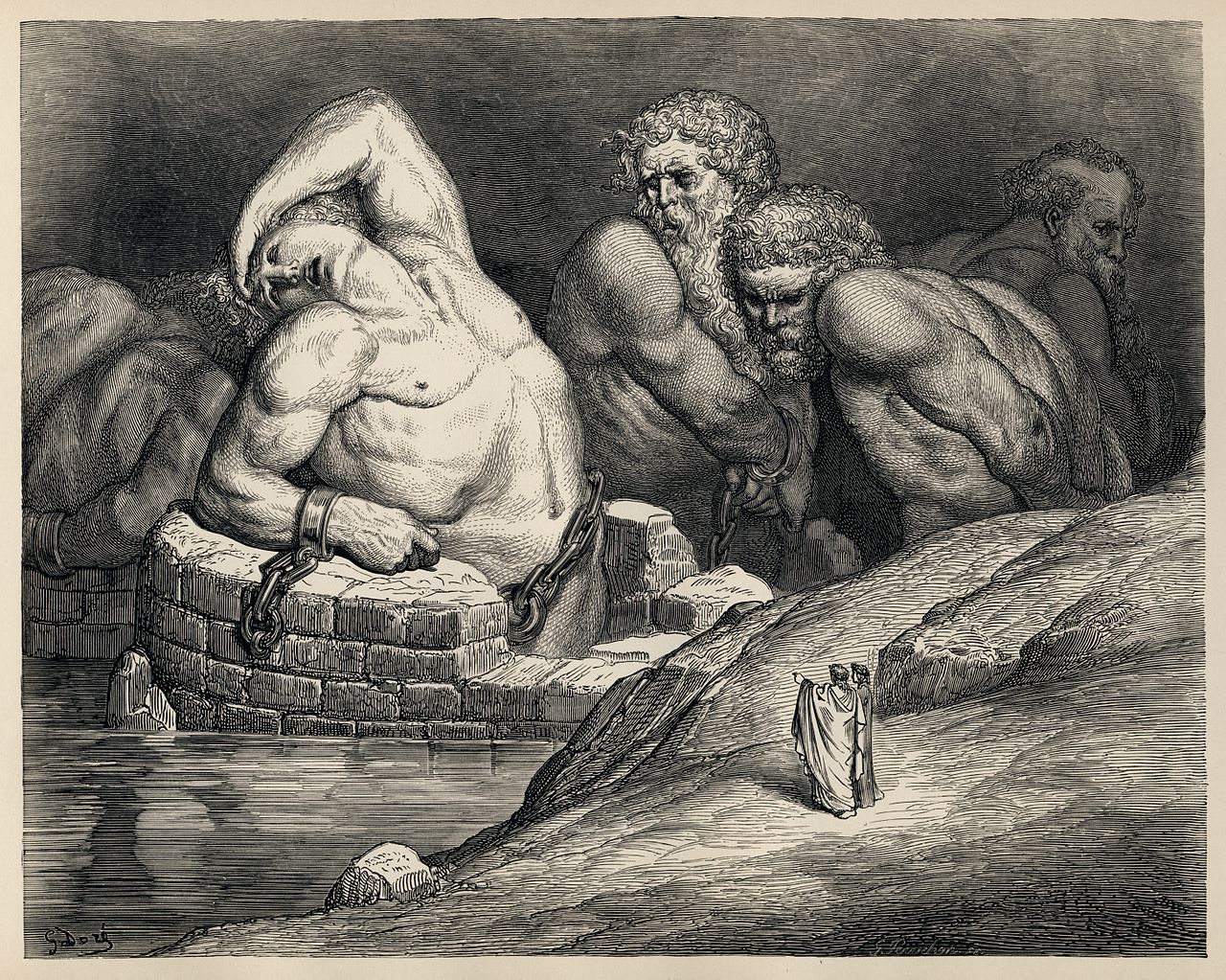
Principal myth
The best-known story about the Aloadae recounts their attempt to storm Mount Olympus. The twins are said to have grown with extraordinary speed and strength, and in their pride they attempted to overthrow the gods. They are described as heaping mountains or timber to scale the heavens and as seeking to seize the goddesses Hera and Artemis, each desiring one as his bride—Otos for Artemis and Ephialtes for Hera. In the course of their revolt they captured the war-god Ares and confined him in a bronze jar for a period often given as thirteen months, a striking reversal of the normal divine order.
Their death is related with a mixture of irony and divine cunning. To prevent a direct confrontation between the gods and the giants, the goddess Artemis transformed into a deer and ran between the two. Each brother hurled a spear at the animal; the weapons missed their target and instead struck the other brother, so that Otos and Ephialtes died by each other's hands. The tale is commonly read as a moral about hubris and the dangers inherent in attempting to usurp or rival the gods.
Origins, parentage and variants
Ancient sources offer variant genealogies and local embellishments. While many authors give Poseidon as their father, other traditions emphasize Aloeus, who sometimes appears as a mortal stepfather or foster-father. These differences affect how commentators and later readers interpret the twins' nature—whether they should be seen primarily as partly divine challengers or as monstrous mortals inflamed by a divine parent.
Symbolism and interpretation
- Hubris and retribution: The Aloadae exemplify the Greek theme that excessive pride and the attempt to overturn the cosmic order bring ruin.
- Boundary figures: Giants in Greek myth often mark the edge between the human and the divine; as twin challengers they emphasize a communal or social threat.
- Trick over force: The manner of their defeat—Artemis’ clever stratagem—highlights the cultural value placed on cunning and divine justice over mere strength.
Ancient evidence and iconography
The Aloadae appear across literary summaries, mythographic collections and visual art of the classical world. Vase-paintings, reliefs and later decorative programs sometimes show the giants lifting rocks, pursuing goddesses, or engaged in the fatal moment of mutual destruction. Because the tale circulated in different regions and periods, local versions and artistic choices produced a range of portrayals rather than a single fixed image.
Reception and legacy
In later antiquity and in more recent literary and artistic receptions the Aloadae have served as emblems of rebellion against established powers and as cautionary figures about the limits of ambition. Modern scholars study them both as a narrative that illustrates traditional Greek themes and as part of the broader corpus of giant-myths that appear in many ancient cultures. For introductory summaries and contextual overviews see general treatments of Greek monstrous figures and mythic traditions (Aloadae contexts), and consult dedicated entries on related deities such as Hera, Artemis, and Ares for connections and contrasts.
Notes on sources
Details and emphases vary from one ancient author or locality to another; surviving testimonia are preserved in poetic fragments, mythographical summaries and the visual record. Because of this variability, concise retellings typically present a composite narrative while noting variant parentage, the imprisonment of a god, and the cunning by which the twins meet their end. Readers seeking primary-source quotations or scholarly editions should consult collections of classical myths and commentaries that assemble the different testimonies available for the Aloadae.
Tags
Related articles
Author
AlegsaOnline.com Aloadae (Otos and Ephialtes) — twin giants of Greek myth Leandro Alegsa
URL: https://en.alegsaonline.com/art/2919