
Dry mouth (xerostomia): causes, symptoms, diagnosis, and management
Dry mouth (xerostomia) is reduced saliva or altered saliva composition. Overview of causes (medications, disease, radiation), symptoms, diagnosis, prevention, and treatment options.
Dry mouth, medically called xerostomia, is the subjective feeling of oral dryness that can result from decreased saliva production, a change in saliva quality, or simple dehydration. Some people have a sensation of dryness despite normal measured saliva flow; others have objectively low salivary output (hyposalivation). For a concise definition see xerostomia.
Image gallery
2 Images
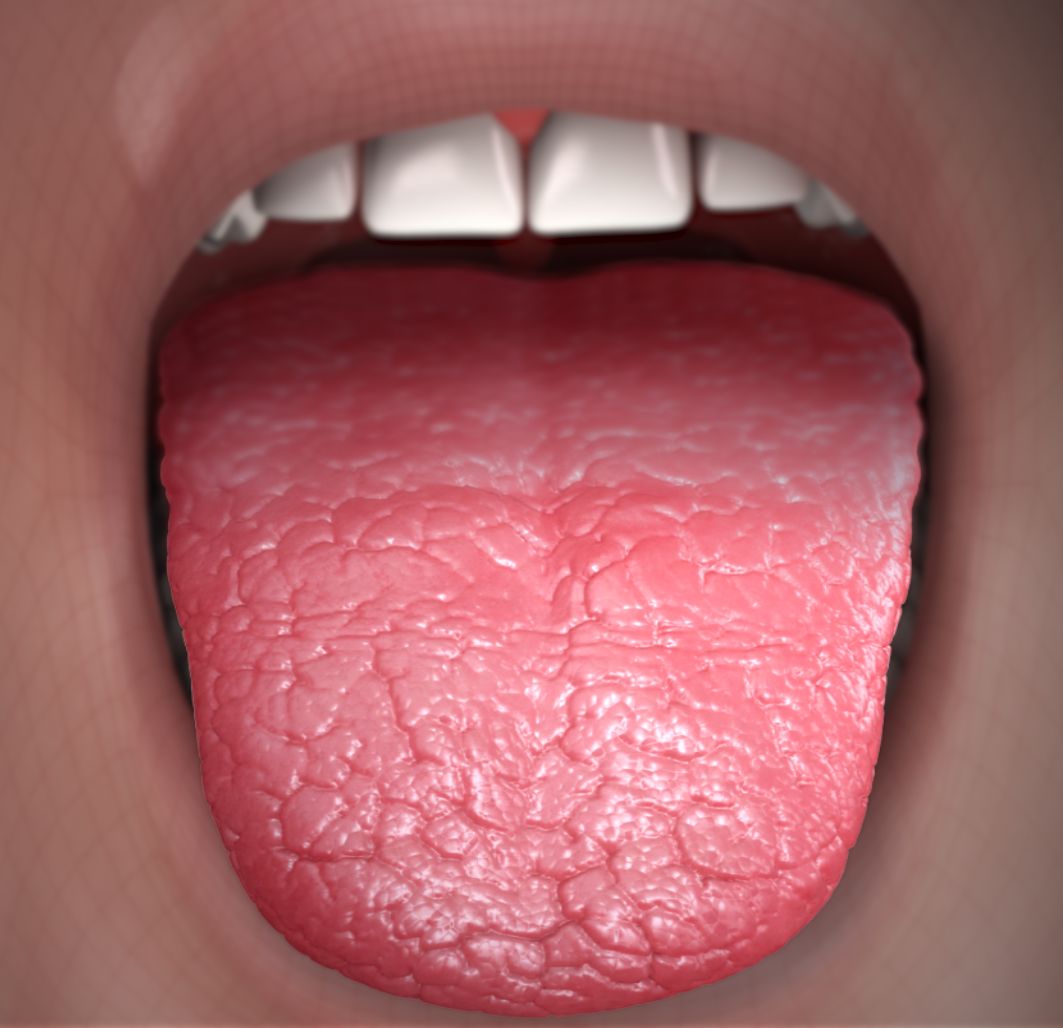
Causes and risk factors
Multiple factors can lead to dry mouth. The most common are systemic medications and medical conditions. Many classes of drugs produce dryness as a side effect; for general information on drug-related causes see medications and consult lists of common offenders at drug references. Autoimmune disorders such as Sjögren's syndrome damage salivary glands, and head or neck radiation therapy can permanently reduce salivary output. Other contributors include dehydration, mouth breathing, nerve injury, tobacco and alcohol use, and metabolic disorders. Changes in the chemical composition of saliva may also alter mouth wetness or protective functions (saliva composition).
Symptoms and complications
Symptoms range from a mildly parched feeling to severe interference with speaking, chewing, swallowing and tasting. Patients may report a sticky or burning sensation, cracked lips, and increased thirst at night. Reduced saliva reduces the mouth's natural defenses, raising the risk of dental decay, gum disease and fungal infections such as oral candidiasis; the link between low saliva and dental caries is well recognized. Longstanding dry mouth can impair quality of life and nutrition.
Diagnosis and distinction
Evaluation begins with a medical and medication history and an oral examination. Clinicians may perform simple bedside tests or formal sialometry to measure unstimulated and stimulated salivary flow, and sialochemistry to assess saliva components. Imaging or biopsy of salivary glands can be used when autoimmune disease or structural damage is suspected. It is important to distinguish true hyposalivation from transient dryness due to dehydration or temporary exposures.
Management and prevention
Initial measures emphasize symptomatic relief and oral care: keep well hydrated, use sugar-free chewing gum or lozenges to stimulate flow, employ saliva substitutes or moisturizers, humidify sleeping areas, and avoid alcohol, tobacco and overly salty or acidic foods. Good oral hygiene and topical fluoride reduce decay risk. When conservative steps are insufficient, medications that stimulate saliva production may be prescribed, and treating an underlying disorder (adjusting offending drugs, managing autoimmune disease, or addressing gland obstruction) can improve symptoms.
When dry mouth is chronic or leads to frequent infections, tooth decay, or difficulty eating, referral to a dentist or physician is appropriate. Further reading and resources can be found via clinical overviews and drug safety pages (definition, saliva, oral health, drug causes, medication lists).
Related articles
Author
AlegsaOnline.com Dry mouth (xerostomia): causes, symptoms, diagnosis, and management Leandro Alegsa
URL: https://en.alegsaonline.com/art/29048
Sources
- ncbi.nlm.nih.gov : "Patients with head and neck cancer cured by radiation therapy: a survey of the dry mouth syndrome in long-term survivors"
- doi.org : 10.1002/hed.10129
- pubmed.ncbi.nlm.nih.gov : 12203798
- doi.org : 10.1016/S0035-3787(04)70888-7
- pubmed.ncbi.nlm.nih.gov : 15034474