
E-cigarette (electronic cigarette): overview, components, uses and debate
An electronic cigarette is a battery-powered device that creates an inhalable aerosol from a liquid—often containing nicotine, propylene glycol, glycerin and flavorings—used as an alternative to smoking.
Overview
An electronic cigarette, commonly called an e-cigarette or vape, is a handheld device that heats a liquid to produce an inhalable aerosol. E-cigarettes were designed as an alternative to combustible cigarettes and are available in many forms, from single-use disposables to sophisticated modular devices. Many e-liquids include nicotine, though some formulations are nicotine-free. The liquid typically contains propylene glycol, vegetable glycerin and added flavorings or aroma agents. While e-cigarettes do not burn tobacco, some liquids and nicotine are derived from tobacco.
Image gallery
10 Images




Components and types
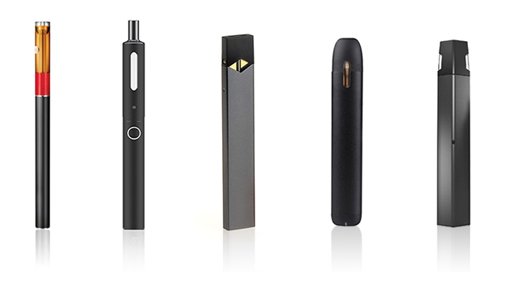
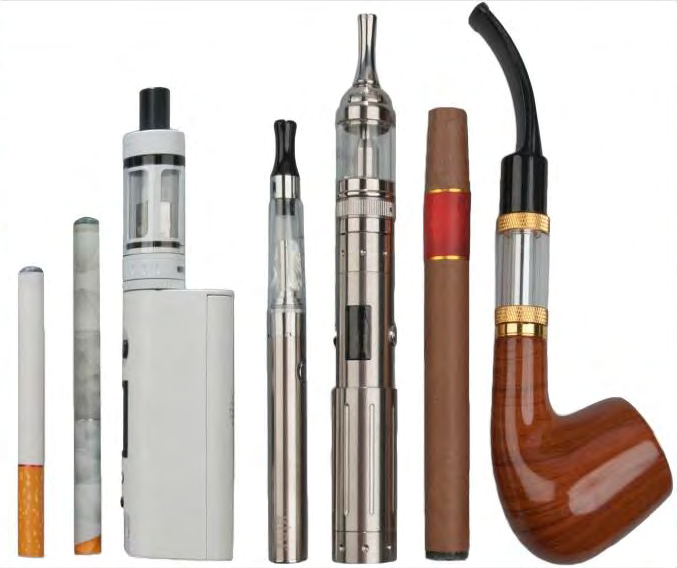
Most e-cigarettes share a few basic parts and come in several categories that affect how they are used and customized:
- Common components: battery (rechargeable or disposable), heating element or atomizer, reservoir for e-liquid (cartridge, pod or tank), and a mouthpiece.
- Device types: cigalikes (look like cigarettes), vape pens, pod systems (compact, often with replaceable pods), and advanced mods that allow power and coil changes.
- E-liquids: mixtures of nicotine (optional), carrier liquids (propylene glycol and glycerin), and flavors; sold in various strengths and formats.
History and development
E-cigarettes were first developed in the early 2000s as a means to deliver nicotine without burning tobacco. Since then they have evolved rapidly: early models imitated cigarettes, while later designs focused on battery life, vapor production and user control. Markets and regulations vary widely; many countries restrict sales by age, flavor, marketing or device type.
Uses, health and public debate
Users adopt e-cigarettes for different reasons: to reduce or quit smoking, for convenience, or for sensory appeal provided by flavors. Public-health authorities generally consider them less harmful than combustible cigarettes because they avoid combustion and many toxic byproducts, but they are not risk-free. E-cigarette aerosol contains particles and chemicals that can affect the respiratory and cardiovascular systems, and nicotine is addictive. Concerns include youth uptake driven by flavored products, the potential for devices to malfunction or batteries to overheat, and outbreaks of lung injury linked to adulterated or illicit products. Scientific and regulatory assessments continue to evolve as longer-term data emerge.
Distinctions and notable facts
- E-cigarettes produce an aerosol, not harmless "water vapor"; composition varies with device and liquid.
- Some e-liquids use nicotine derived from tobacco, while others are nicotine-free.
- Regulatory approaches differ: some jurisdictions treat e-cigarettes as tobacco products, others as medicinal aids when used for cessation.
For further background and guidance, consult public health resources and local regulations regarding age limits, product standards and recommended uses.
Questions and answers
Q: What is an e-cigarette?
A: An e-cigarette is an electronic device that can be used as a substitute for traditional cigarettes.
Q: What does an e-cigarette contain?
A: E-cigarettes contain small amounts of nicotine along with propylene glycol, glycerin, and various flavors or scents.
Q: How do e-cigarettes differ from traditional cigarettes?
A: Unlike traditional cigarettes, e-cigarettes do not contain tobacco or many of the other chemicals found in conventional cigarettes.
Q: Are e-cigarettes customizable?
A: Yes, most vape pens can be customized to suit the user's preferences.
Q: Are e-cigarettes considered to be safer than traditional cigarettes?
A: E-cigarettes are often depicted as a safer alternative to traditional cigarettes, but some studies suggest that they may still pose health risks.
Q: How do e-cigarettes work?
A: E-cigarettes work by heating up a liquid that contains nicotine and other substances, producing a vapor that is inhaled by the user.
Q: Is nicotine the only substance found in e-cigarettes?
A: No, e-cigarettes also typically contain propylene glycol, glycerin, and various flavors or scents.
Related articles
Author
AlegsaOnline.com E-cigarette (electronic cigarette): overview, components, uses and debate Leandro Alegsa
URL: https://en.alegsaonline.com/art/29462
Sources
- foxnews.com : China's e-cigarette inventor fights for financial rewards
- who.int : "WHO - Marketers of electronic cigarettes should halt unproved therapy claims"