
Eastern Catholic Churches: Tradition, Structure, and Role within the Catholic Communion
Self-governing Christian churches in full communion with the Pope that preserve eastern liturgical rites and traditions. Overview of origins, rites, governance, examples, and distinctions.
Overview
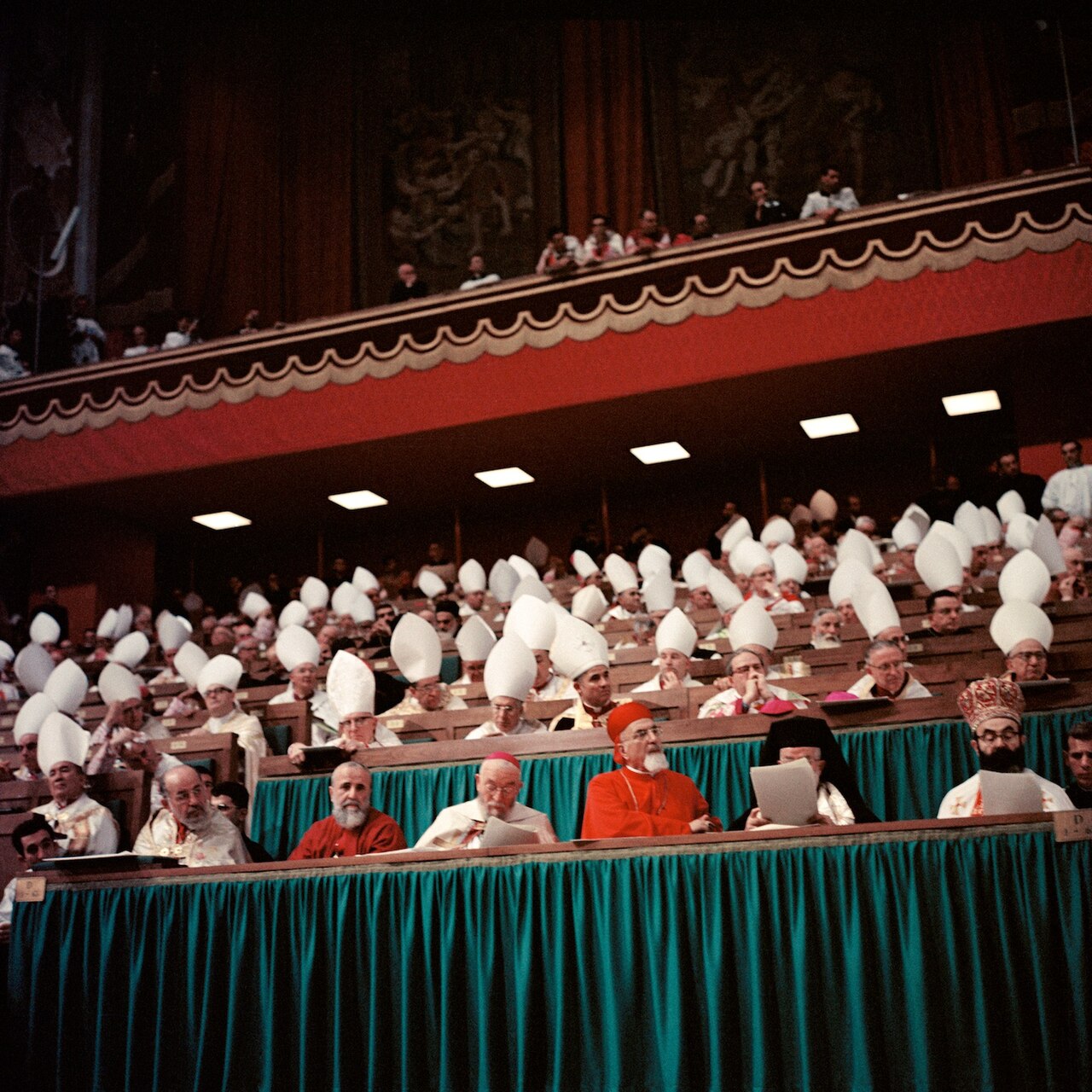
The Eastern Catholic Churches are a group of self-governing Christian communities that maintain their own liturgical, theological, and disciplinary traditions while remaining in full communion with the Bishop of Rome. Often described by the Latin phrase sui iuris (self-governing), these churches form part of the worldwide Catholic communion but preserve eastern rites and customs. For a general introduction to churches in Christianity, see related resources.
Image gallery
10 Images





Characteristics and rites
These churches are distinguished primarily by their liturgical rites—major families include the Byzantine, Alexandrian, Antiochene (West Syrian), East Syriac, and Armenian traditions. A "rite" here refers to a coherent set of liturgical forms, theological emphases, and pastoral practices. Their celebrations of the Eucharist and other sacraments may look and sound very different from the Latin Catholic Mass; descriptions of liturgical practice can be found at general liturgy overviews such as liturgy and worship. Many Eastern Catholic Churches also retain customary disciplines, for example the historical practice in several churches of ordaining married men to the priesthood.
Historical background
The roots of Eastern Catholic Churches lie in the ancient Christian communities of the Middle East, North Africa, Eastern Europe, and India. Over many centuries some of these communities entered into communion with Rome at different times and by different agreements, while preserving their own rites, languages, and canon law. The process of reconciliation and union with Rome occurred in various historical contexts and should be seen as a long and varied development rather than a single event.
Governance and structure
Each Eastern Catholic Church has its own hierarchical organization: some are led by patriarchs, others by major archbishops, metropolitans, or eparchs (bishops). They exercise internal governance according to their particular law while recognizing the Pope as the universal pastor of the Catholic Church; the relationship balances local autonomy with communion. This structure allows them to respond pastorally to cultural and linguistic needs of their faithful in homelands and the diaspora.
Role, importance, and contemporary life
Eastern Catholic Churches play several roles: preserving ancient liturgical languages and musical traditions, serving as bridges in ecumenical relations with Orthodox churches, and providing pastoral care to Eastern Christians in global diasporas. They operate parishes, seminaries, schools, and charitable institutions and contribute to the cultural and religious diversity of global Catholicism.
Distinctive facts and examples
It is important not to confuse Eastern Catholic Churches with Eastern Orthodox churches; they share many liturgical and theological traits but differ in communion with the Pope. The historical label "uniate" is sometimes encountered but is considered pejorative by many and is best avoided. There are twenty-three Eastern Catholic Churches in all. Notable examples include:
- Maronite Church — long associated with Lebanon and centered on the West Syrian tradition.
- Ukrainian Greek Catholic Church — one of the larger Eastern Catholic bodies, following the Byzantine rite.
- Melkite Greek Catholic Church — rooted in the Antiochene and Byzantine heritage.
- Chaldean Catholic Church and Syro-Malabar Church — representing East Syriac traditions.
- Armenian Catholic Church and Coptic Catholic Church — preserving Armenian and Alexandrian elements respectively.
For context on the role of the Pope within global Catholicism, see a concise discussion at the Bishop of Rome.
Related articles
Author
AlegsaOnline.com Eastern Catholic Churches: Tradition, Structure, and Role within the Catholic Communion Leandro Alegsa
URL: https://en.alegsaonline.com/art/29743