
East of England Ambulance Service NHS Trust
Regional NHS ambulance trust serving Bedfordshire, Cambridgeshire, Essex, Hertfordshire, Norfolk and Suffolk with emergency response, patient transport and community care.
Overview
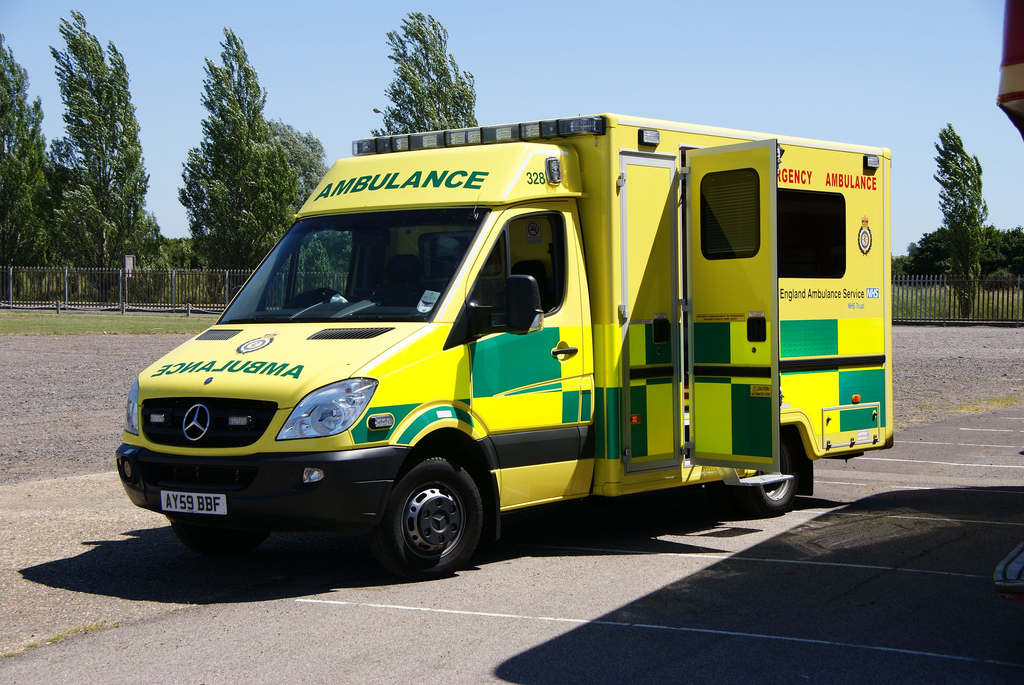
The East of England Ambulance Service NHS Trust provides emergency and non-emergency ambulance services across six counties in the eastern region of England. Its operational area includes Bedfordshire, Cambridgeshire, Essex, Hertfordshire, Norfolk and Suffolk. These services are delivered under the principles of the NHS and are available free at the point of use to people requiring urgent medical help in the East of England.
Image gallery
7 Images


Services and roles
The trust operates a range of services including 999 emergency response, urgent on-scene care, and planned patient transport. It also supports community schemes and first responder networks that provide immediate care while an ambulance is en route. As with other emergency provision across the United Kingdom, callers should use 999 in a life-threatening situation or access local urgent care pathways for less severe problems. The service treats and stabilises patients at the scene when needed and arranges conveyance to hospital or other care settings for further emergency or routine treatment.
Operations and staffing
Calls are handled by dedicated control rooms that prioritise incidents and dispatch resources. Frontline teams include paramedics, emergency care practitioners, ambulance technicians and call handlers, supported by management, logistics and maintenance staff. The fleet typically comprises double-crewed ambulances, rapid response vehicles and specialist units. The trust works alongside charity air ambulance organisations and hospital emergency departments to coordinate timely care and transport.
History and organisation
The trust was established as part of regional NHS arrangements to consolidate ambulance provision and improve coordination across county boundaries. It is governed as an NHS trust and accountable to health commissioners and regulators. The organisation maintains multiple ambulance stations and operational centres to match resources with population centers and rural areas. Training, clinical governance and quality assurance are integrated into routine operations to maintain standards of care.
Community role and partnerships
Beyond emergency response, the trust engages in public education, first-aid training and prevention initiatives. It provides non-urgent patient transport for planned hospital appointments and works with local authorities, volunteer responders and other health services to support community resilience. Local partnerships help extend care into remote areas and address seasonal or event-related increases in demand.
Challenges and notable facts
Serving a mix of urban and rural communities presents logistical and demand-management challenges. Performance is commonly measured by response times and clinical outcomes rather than charges to patients, as ambulance care is free at point of use. For advice on when to call and the kinds of help available, members of the public may consult national guidance or contact their local NHS urgent care services; for example, information and pathways provided through treatment and care information channels.
- Primary coverage: six eastern counties (listed above).
- Main functions: emergency response, patient transport, community care.
- Coordination: control rooms, partnerships with air ambulance charities and hospitals.
Questions and answers
Q: What is the East of England Ambulance Service?
A: The East of England Ambulance Service is the NHS Trust that provides ambulance services in Bedfordshire, Cambridgeshire, Essex, Hertfordshire, Norfolk and Suffolk.
Q: Is there a fee for using the East of England Ambulance Service?
A: No, the service is free.
Q: Who is allowed to use an ambulance in the UK?
A: Every person in the United Kingdom is allowed to use an ambulance if there is an emergency.
Q: Does the East of England Ambulance Service only transport people to hospitals?
A: No, the service also helps heal people who are injured and are too far from a hospital.
Q: Which counties does the East of England Ambulance Service cover?
A: The East of England Ambulance Service covers Bedfordshire, Cambridgeshire, Essex, Hertfordshire, Norfolk, and Suffolk.
Q: What is the Patient's Charter?
A: The Patient's Charter is a set of guidelines in the UK which states that every person in the UK is allowed to use an ambulance if there is an emergency.
Q: What kind of services are provided by the East of England Ambulance Service?
A: The East of England Ambulance Service provides ambulance services and helps heal injured people who are too far from a hospital.
Related articles
Author
AlegsaOnline.com East of England Ambulance Service NHS Trust Leandro Alegsa
URL: https://en.alegsaonline.com/art/29686
Sources
- eastamb.nhs.uk : eastamb.nhs.uk
- eastamb.nhs.uk : "Welcome to EEAST"