
Douglas Engelbart: Pioneer of Interactive Computing and the Computer Mouse
Douglas C. Engelbart (1925–2013), inventor of the computer mouse and originator of early interactive, networked and collaborative computing concepts; life, major projects, and enduring influence.
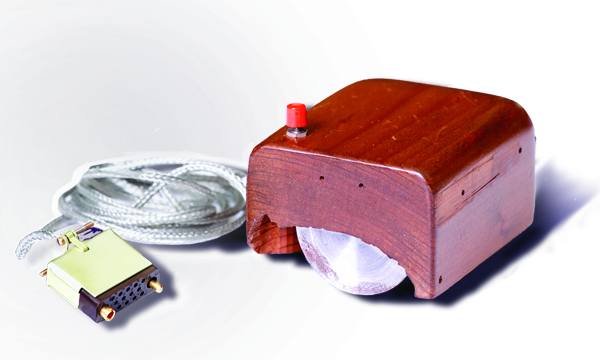
Douglas Carl Engelbart (1925–2013) was an American inventor and engineer whose work helped change computers from batch machines into interactive tools for thought and collaboration. He is widely credited with creating the first practical computer mouse prototype in the mid-1960s and with leading the development of integrated systems that supported real-time editing, hypertext links and shared workspaces.
Image gallery
5 Images


Early life and education
Engelbart was born in Portland, Oregon, and grew up in the Pacific Northwest. He studied engineering at Oregon State College and later pursued graduate study at the University of California, Berkeley. Influenced by wartime service and an interest in complex systems, he became convinced that better tools could amplify human intellect and group problem solving.
Research, the mouse and NLS
During the 1960s Engelbart led a research group at the Stanford Research Institute that designed the oN-Line System (NLS), an experimental environment integrating text editing, windowing, hypertext connections and device-based pointing. The original mouse design and several other interaction techniques were demonstrated in that period around 1964. NLS was presented publicly in a landmark demonstration in 1968 that showed multiple innovations now common in personal computing.
Ideas and influence
- Promoted the concept of "augmenting human intellect"—using computers to enhance collective problem solving rather than merely automating tasks.
- Advanced practical pointing devices, on-screen cursors, windows and linked documents that influenced the later graphical user interface.
- Demonstrated early forms of real-time collaborative editing and shared screen interaction, anticipating modern teamwork tools.
Recognition and later life
Engelbart received major honors for his work and continued to advocate for systems that help teams address complex problems. He and his wife Ballard raised a family while he pursued long-term research goals. In later decades he remained active as a speaker and advisor on technology and organizational approaches. He lived in Atherton, California, until his health declined and he died in 2013 from kidney failure.
Legacy and further reading
Engelbart's combination of technical invention and a human-centered vision is a cornerstone of modern computing. His work connects to histories of human–computer interaction, collaborative software and the evolution of graphical interfaces. For additional biographical material and institutional archives consult primary sources and curated retrospectives available from scholarly and technical collections; see also accounts that place his work in the wider history of computing and innovation. For an overview of his life and contributions, see resources identified by institutional repositories and technical histories (biographical listings) and specialized retrospectives (profiles).
Related articles
Author
AlegsaOnline.com Douglas Engelbart: Pioneer of Interactive Computing and the Computer Mouse Leandro Alegsa
URL: https://en.alegsaonline.com/art/28699
Sources
- washingtonpost.com : "Douglas Engelbart, computer visionary and inventor of the mouse, dies at 88"
- news.bbc.co.uk : "Mouse inventor strives for more"
- ietf.org : "Doug Engelbart"
- gigaom.com : "Doug Engelbart American inventor computing legend passes away"