
Douglas Jardine
English cricketer and England captain (1931–1934), best known for leading the 1932–33 Ashes tour and the controversial 'Bodyline' tactics that changed the game's laws and legacy.
Overview
Douglas Robert Jardine (born 23 October 1900 in Bombay, Indian Empire; died 18 June 1958 in Montreux, Switzerland) was an English cricketer and captain noted for his tactical approach to the game. A right-handed batsman by trade, Jardine represented England in Test matches and led his country as captain of the England cricket team between 1931 and 1933–34. He combined a disciplined temperament with a strategic mind and left a complex legacy in the sport.
Image gallery
10 Images




Playing career and captaincy
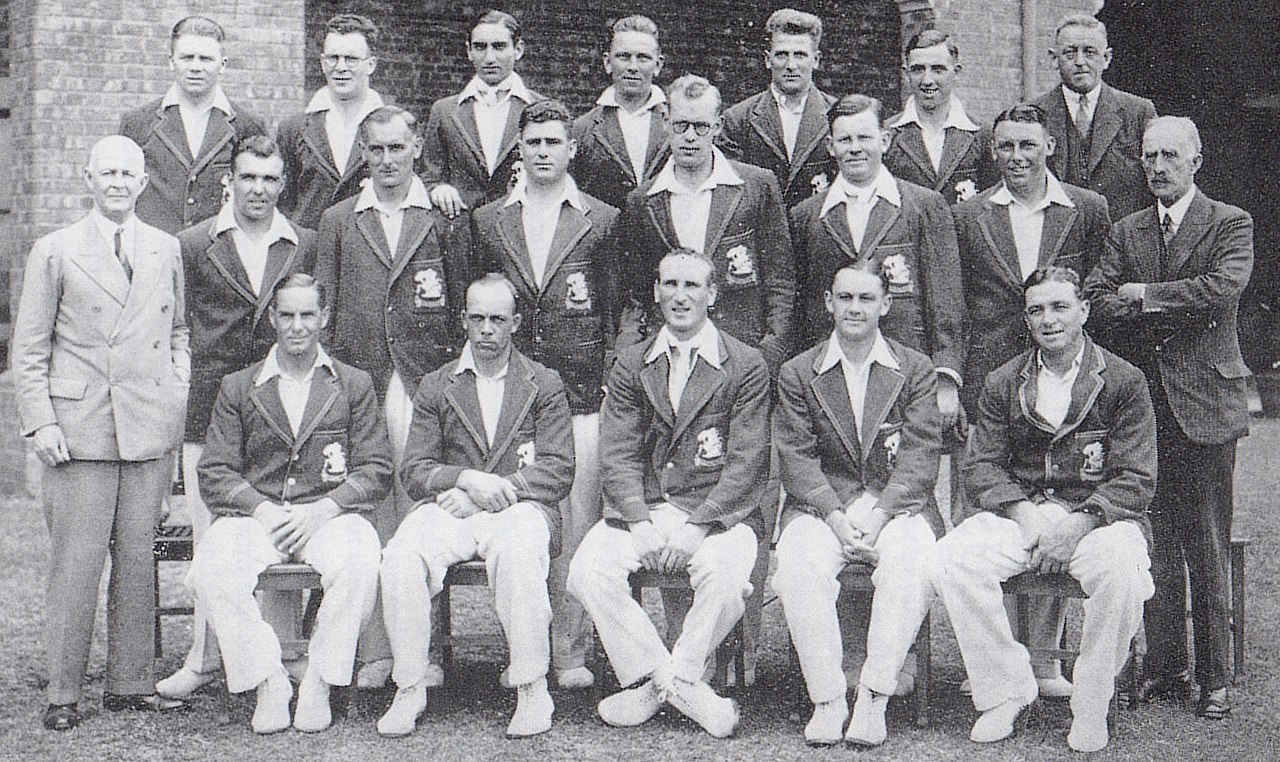
Jardine played first-class cricket at university and county level before becoming a regular figure in England’s Test side. As captain he led the side in 15 matches, a tenure that included nine victories, one defeat and five draws. His leadership emphasized strict discipline, detailed planning and the use of tactics to exploit opponents’ weaknesses. Teammates and contemporaries described him as methodical and exacting, with a strong focus on results.
The 1932–33 Ashes and 'Bodyline'
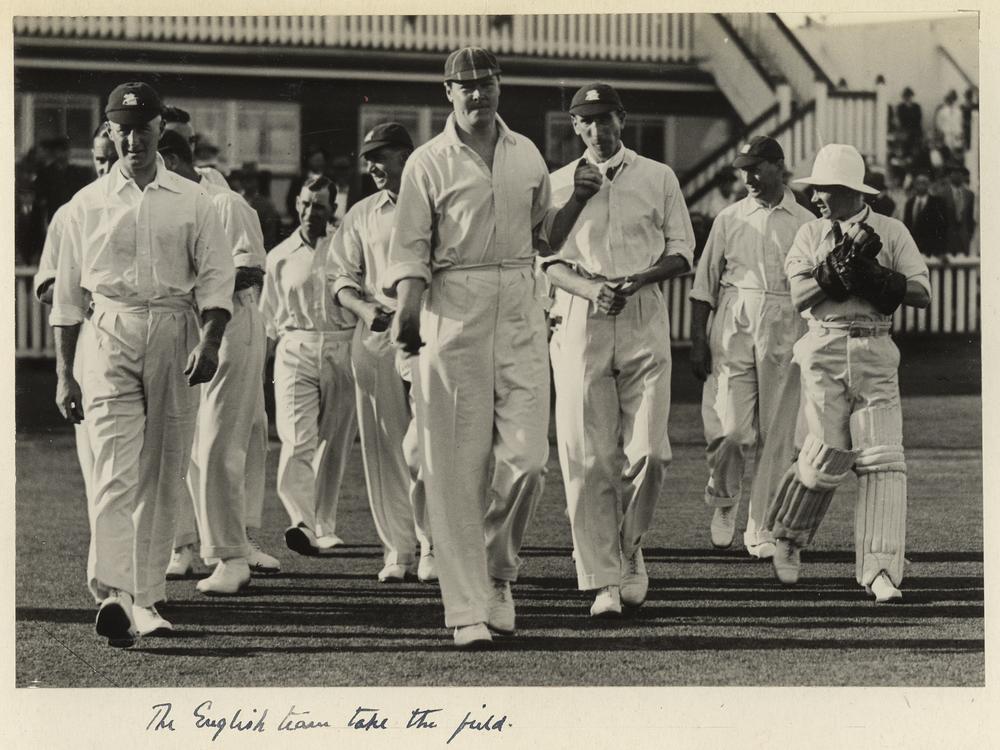
Jardine’s name is most often associated with the 1932–33 Ashes tour of Australia, when England adopted aggressive short-pitched leg-side bowling, commonly referred to as "Bodyline" or "leg theory." This tactic was developed to counter dominant batsmen of the era and provoked intense controversy because it relied on bowling aimed at the batsman’s body with close leg-side fielders. The approach sparked protests, strained relations between cricket authorities, and prompted debate about sportsmanship and safety.
Controversy and rule changes
The strong reaction to the Bodyline series had lasting consequences: it accelerated calls to clarify and amend the laws of cricket to limit intimidatory bowling and protect batsmen. While proponents argued the methods were within the laws and were a legitimate competitive response, critics felt they violated the spirit of the game. The episode remains one of cricket’s best-known controversies and a turning point in how the sport regulated fast, short-pitched bowling.
Style, character and assessments
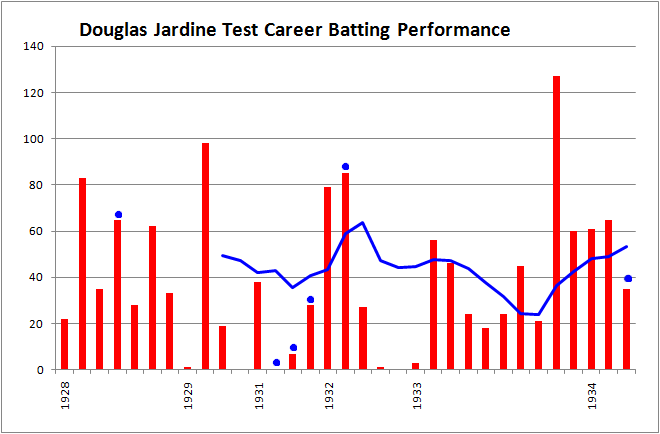
On the field Jardine was primarily judged by his tactical acumen rather than flamboyant batting statistics. He balanced careful planning with an uncompromising manner that made him an effective, if divisive, leader. Historians and commentators have since debated whether his decisions were pragmatic leadership or unsporting provocation; opinion remains divided but his influence on captaincy and game tactics is undisputed.
Later life and legacy
After his international career Jardine remained a prominent figure in cricket discussions and retired from public life in later years. He spent his final years abroad and died in Montreux in 1958. His career is widely studied as a case of tactical innovation producing both sporting success and ethical controversy, and his story is used to illustrate how rules and culture in sport can evolve in response to competitive pressure.
- Key facts: right-handed batsman; England captain 1931–1933–34; 22 Test appearances overall.
- Notable match: the 1932–33 Ashes tour, the focal point of his reputation and the Bodyline controversy.
- Context: his career is often discussed in histories of English cricket and in biographies of players from that era.
For further reading about Jardine’s life and the wider implications of the Bodyline series consult contemporary match accounts and specialist cricket histories and biographies that examine both sporting detail and the social reactions of the time. See also resources on early 20th-century English cricket and governing changes that followed the tour (English cricketer studies and archives).
Additional starting points for research include university and county records where he played, and collections that document Test match developments in the interwar period. Relevant archival material and match summaries can be traced through cricket reference collections and historical compilations (birthplace notes, death notices, and match lists for his Test matches). Detailed captaincy records and team selections from his tenure also appear in dedicated England cricket histories (England captaincy, Swiss retirement records).
Questions and answers
Q: Who is Douglas Jardine?
A: Douglas Robert Jardine (Bombay, Indian Empire 23 October 1900 – Montreux, Switzerland 18 June 1958) was an English cricketer and captain of the England cricket team from 1931 to 1933–34.
Q: What was Douglas Jardine's batting stance?
A: Douglas Jardine was a right-handed batsman.
Q: How many Test matches did Douglas Jardine play for England?
A: Douglas Jardine played 22 Test matches for England.
Q: How many of the Test matches did Jardine captain for England?
A: Jardine captained England in 15 of the 22 Test matches he played.
Q: How many matches did England win under Jardine's captaincy?
A: England won nine Test matches under Jardine's captaincy.
Q: How many matches did England lose under Jardine's captaincy?
A: England lost only one Test match under Jardine's captaincy.
Q: How many matches were drawn under Jardine's captaincy?
A: Five Test matches were drawn under Jardine's captaincy.
Related articles
Author
AlegsaOnline.com Douglas Jardine Leandro Alegsa
URL: https://en.alegsaonline.com/art/28706