
Atherton, California
Atherton is an incorporated, mostly residential town on the San Francisco Peninsula in San Mateo County, California, known for large estate lots and among the highest home values in the United States.
Overview
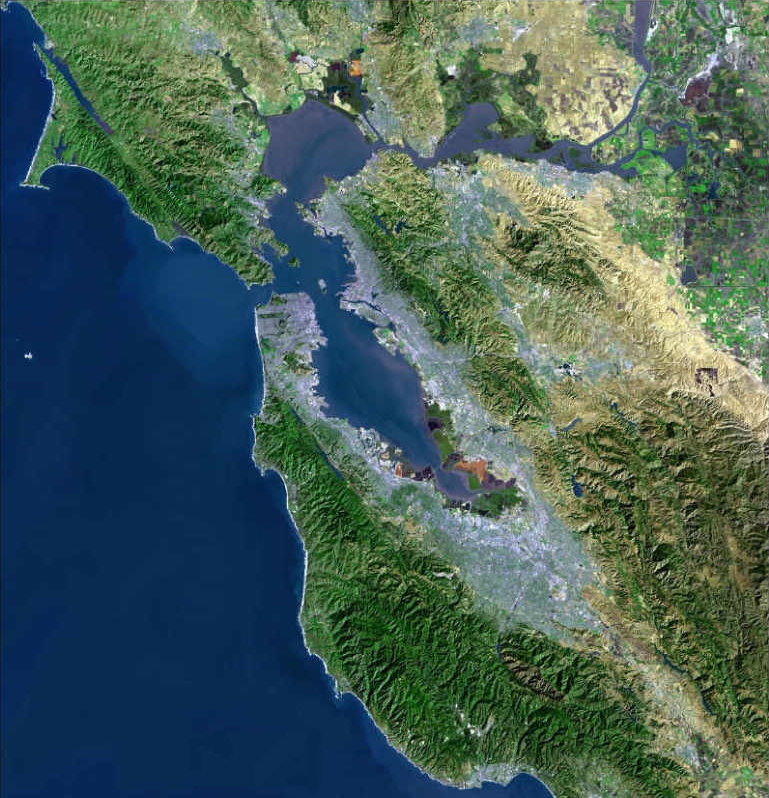
Atherton is an incorporated town on the San Francisco Peninsula in San Mateo County, California, United States. It has a small population compared with neighboring cities; official counts in the early 2010s recorded about 7,159 residents. The town is part of the broader San Francisco Bay Area and is notable for its low-density, suburban character and concentration of high-value residential property.
Image gallery
7 Images



Characteristics and landscape
Atherton is predominantly residential, characterized by large lots, extensive tree cover, and a mix of historic estates and contemporary homes. Zoning and planning policies emphasize single-family properties, open space, and privacy, producing a low-rise, park-like environment. Public amenities are modest but include neighborhood parks, equestrian facilities and walking paths; commercial services are limited and mostly located in adjacent communities.
History and development
The land that became Atherton was inhabited by Indigenous peoples prior to European settlement. During the late 19th and early 20th centuries the area developed as an attractive location for wealthy San Francisco residents and business figures who built country estates on large parcels. Atherton formally incorporated as a town in 1923 to control land use and preserve its residential character.
Economy, housing and notable facts
Although Atherton has little industry or commercial center of its own, it is widely known for extremely high property values and among the most expensive residential ZIP codes in the nation; local real estate rankings frequently list the town and its ZIP code among the top-tier markets for per‑home value expensive ZIP codes. The town attracts residents who work in nearby technology, finance and professional services in Silicon Valley and the broader Bay Area.
Government, services and community life
Atherton operates under a town council form of government and places emphasis on land‑use regulation, public safety and maintaining open space. Schools serving the area include public and private options in neighboring towns. Community activities often center on local preservation efforts, parks, and equestrian clubs rather than commercial or cultural venues.
Notable distinctions
- Primarily residential with large estate lots and strict land-use controls.
- Consistently ranked among the highest-valued housing markets in the United States.
- Small population and limited commercial development compared with surrounding cities.
Tags
Related articles
Author
AlegsaOnline.com Atherton, California Leandro Alegsa
URL: https://en.alegsaonline.com/art/6932
Sources
- forbes.com : "America's Most Expensive ZIP Codes"
- forbes.com : "America's Most Expensive Zip Codes In 2013: The Complete List"
- forbes.com : "Full List: America's Most Expensive ZIP Codes 2016"