
Douglas Fairbanks: Silent-era swashbuckler and Hollywood pioneer
Actor, filmmaker and cultural figure who embodied the swashbuckling hero in silent cinema; a founding member of United Artists and the Academy, and a major figure of 1910s–1930s Hollywood.
Overview
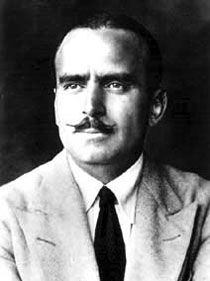
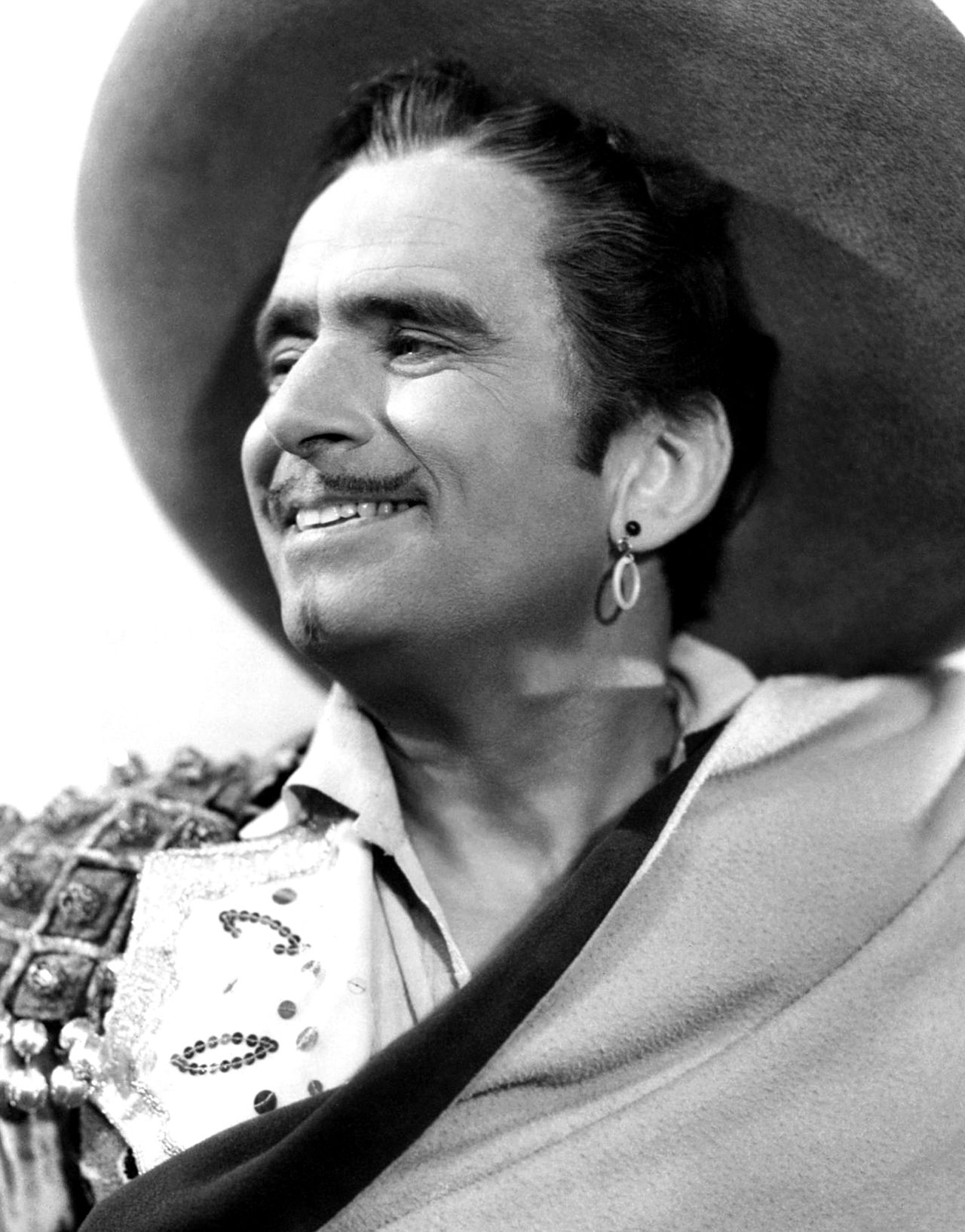
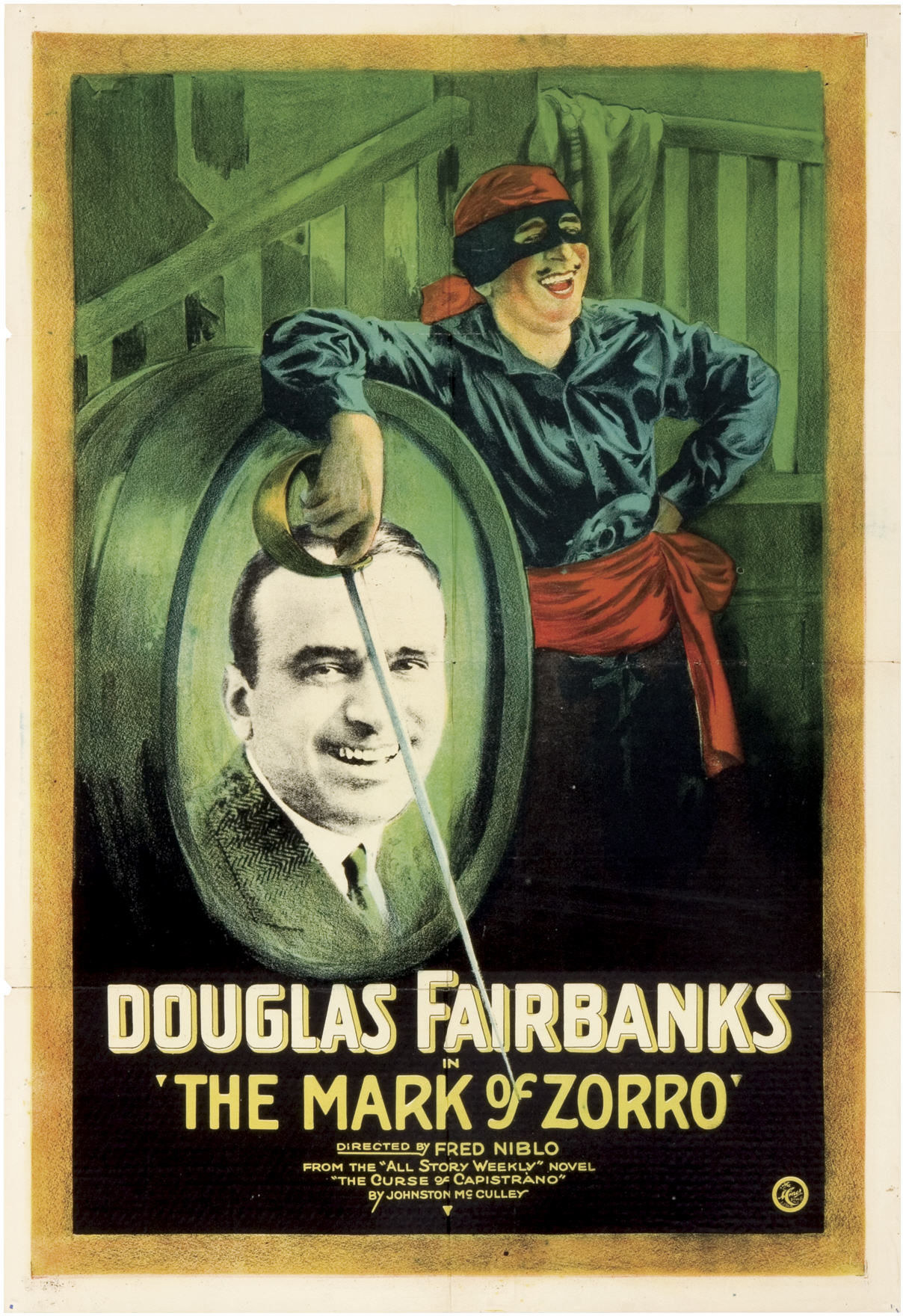
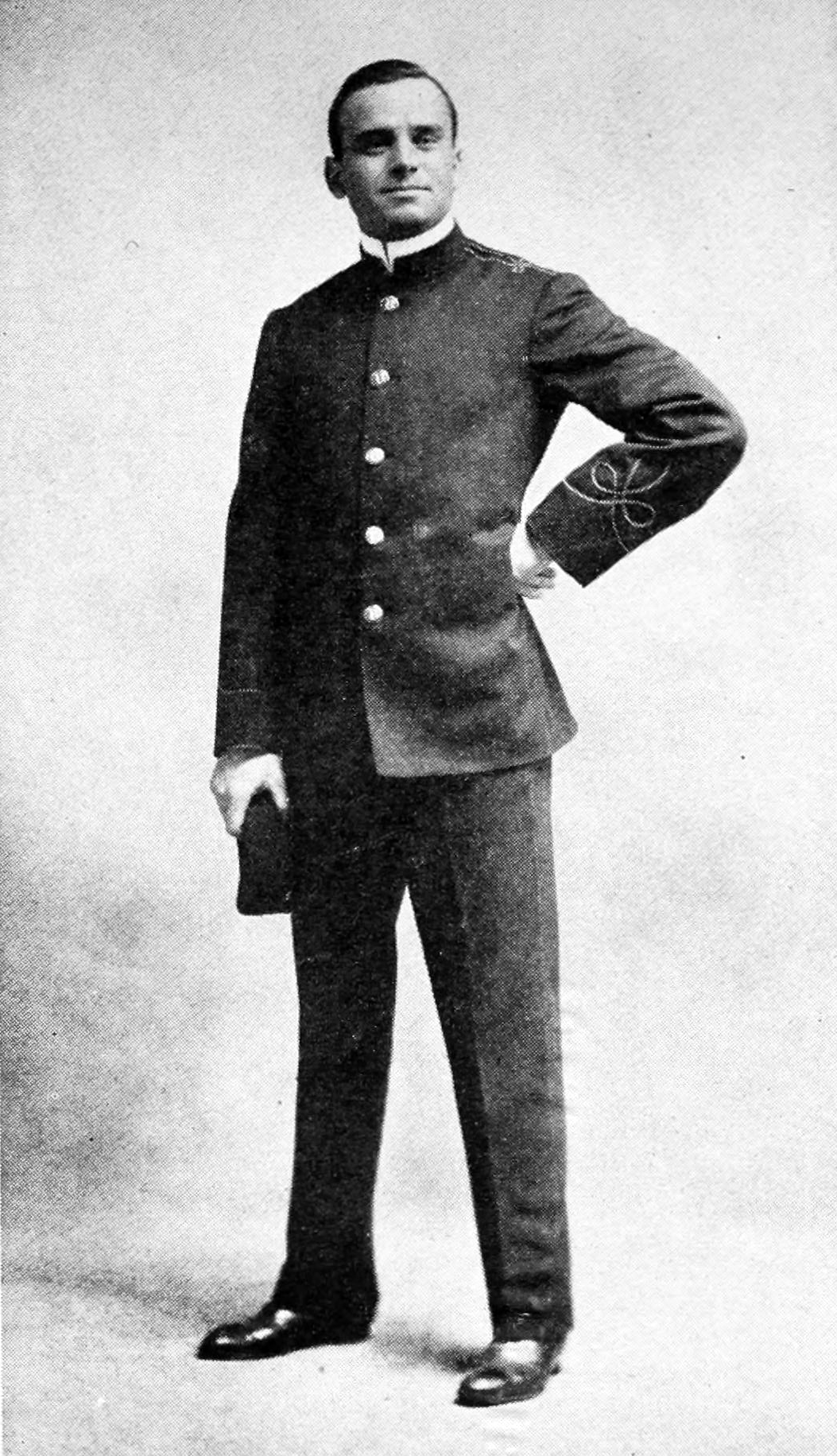
Douglas Fairbanks (May 23, 1883–December 12, 1939) was one of the most recognizable stars of early American cinema. Born in Denver, Colorado, he became famous for athletic, adventurous leading roles during the silent era and was widely celebrated as a charismatic, physical performer. He helped define the swashbuckling hero on screen and was often billed as "The King of Hollywood" for his box-office appeal and public persona. Fairbanks's career is closely associated with the heyday of silent film and a set of high-profile costume-adventure pictures including The Thief of Bagdad, Robin Hood and The Mark of Zorro.
Image gallery
10 Images




Performance style and screen persona
Fairbanks's screen image combined athleticism, charm and lighthearted bravado. He performed elaborate stunts and fought with swords and ropes in sequences that emphasized speed, acrobatic skill and confident heroism. Rather than playing gloomy or introspective characters, Fairbanks favored energetic, optimistic protagonists whose physicality was essential to their appeal. His films often focused on fantasy, historical romance and daring escapades, with production designs that reinforced spectacle and visual inventiveness.
Career development and collaborations
Beginning in stage and early film roles, Fairbanks quickly rose to prominence through a string of successful starring vehicles. He expanded his responsibilities beyond acting, working as a producer, writer and director on many of his pictures. In 1919 he joined Mary Pickford, Charlie Chaplin and D. W. Griffith in founding United Artists, a company intended to give performers creative control over their work. Fairbanks married fellow star Mary Pickford in 1920; their Hollywood estate, known as Pickfair, became an influential social center and symbol of celebrity culture.
Industry leadership and later years
Fairbanks was active in organizing the film industry. He was a founding member of the Academy of Motion Picture Arts and Sciences and presided over the first Academy Awards ceremony in 1929. The arrival of synchronized sound in motion pictures altered the careers of many silent-era stars; Fairbanks's supremacy at the box office diminished as public tastes and filmmaking technology changed. He continued to participate in film production and public life, though his later screen work did not match the commercial heights of his silent adventures.
Notable films and contributions
- Robin Hood (epic costume adventure—one of Fairbanks's landmark spectacles)
- The Thief of Bagdad (fantastical visual effects and elaborate sets)
- The Mark of Zorro (stylish swashbuckling that helped define a genre)
Legacy
Douglas Fairbanks left an enduring mark on cinematic genres focused on action, heroism and spectacle. He helped professionalize the business side of filmmaking through United Artists and contributed to the establishment of the Academy. His public image, the theatricality of his films and the popularity of his stunts influenced later action stars and filmmakers. Fairbanks's son, Douglas Fairbanks Jr., also became an actor, extending the family's presence in cinema. Today Fairbanks is remembered both for his on-screen derring-do and for his role as a builder of early Hollywood institutions.
Related articles
Author
AlegsaOnline.com Douglas Fairbanks: Silent-era swashbuckler and Hollywood pioneer Leandro Alegsa
URL: https://en.alegsaonline.com/art/28701