
Douglas DC-3: Pioneering Twin‑Engine Airliner and Transport
The Douglas DC-3 is a durable twin‑engine propeller airliner introduced in the 1930s that transformed commercial flight and served as the military C-47 in WWII; many examples remain in use today.
The Douglas DC-3 is a twin‑engined, propeller‑driven airliner developed by the Douglas Aircraft Company to improve range, capacity and operating economics for airlines. Evolving from the earlier DC‑2, the DC‑3 entered airline service in the mid‑1930s and quickly became prized for its reliability, payload and ability to operate profitably carrying passengers and freight without government subsidies. Its simple, robust design contributed to an exceptional service life that has kept many examples flying long after newer types appeared.
Image gallery
10 Images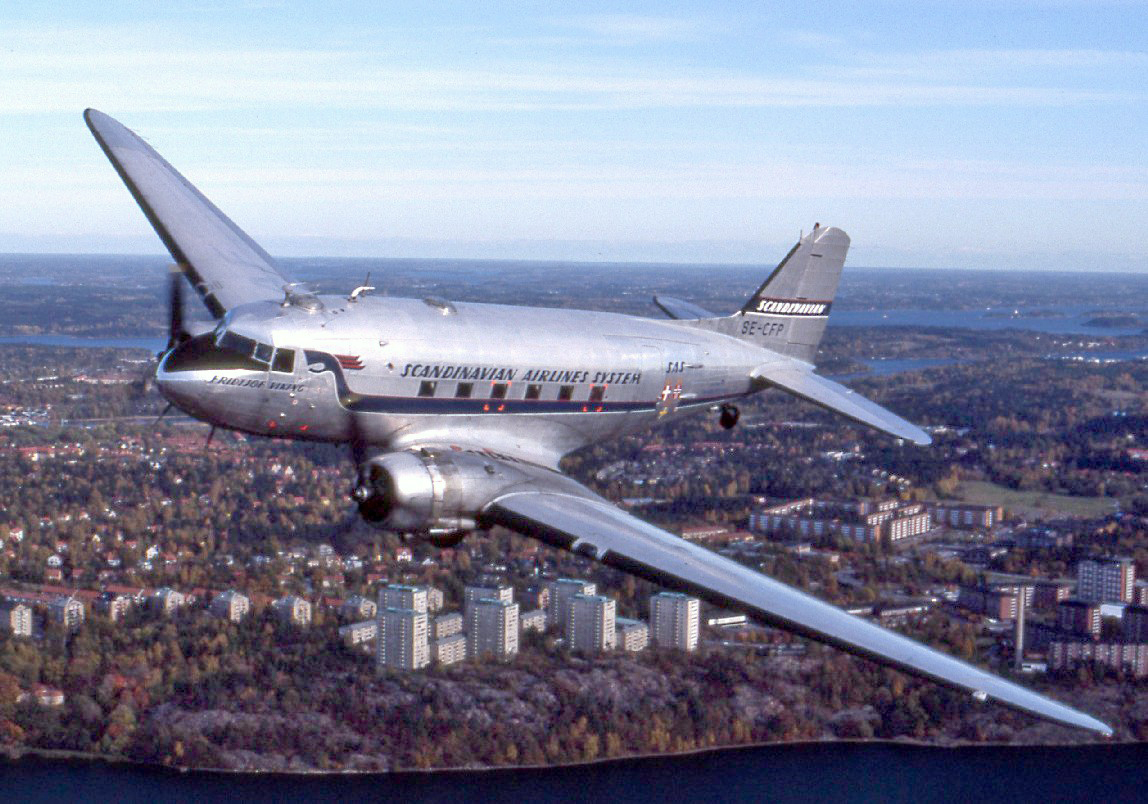





Design and characteristics
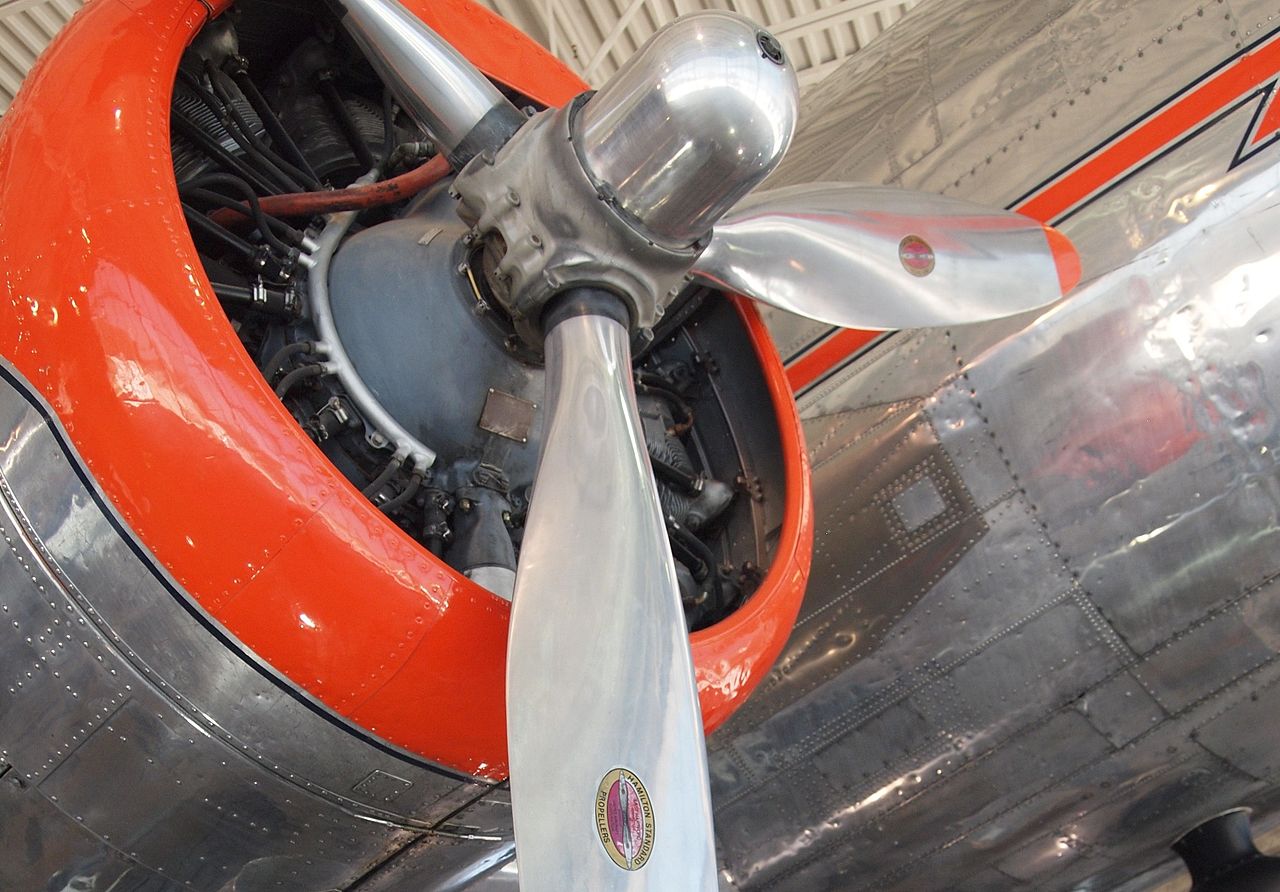
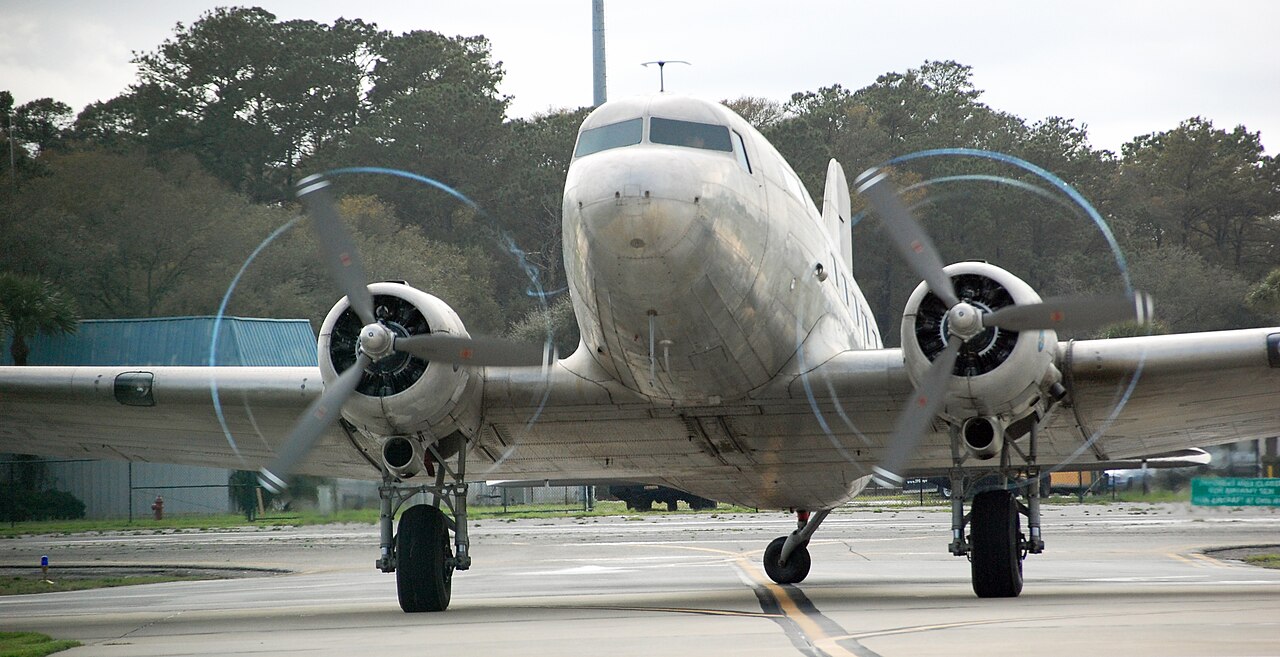
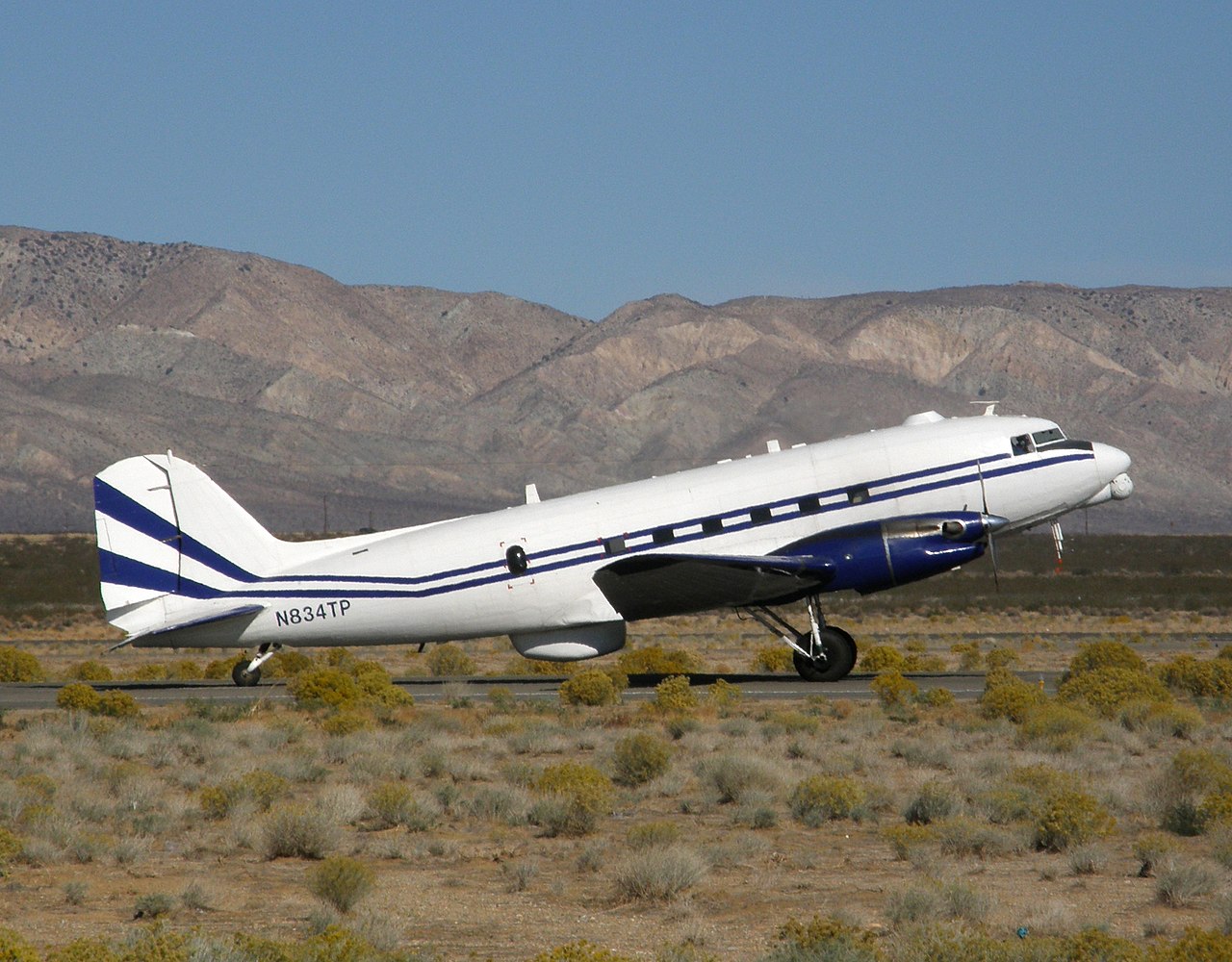
The DC‑3 is a low‑wing, all‑metal monoplane with two radial engines and a conventional tailwheel undercarriage in early examples. It was designed as a comfortable passenger transport with a fuselage large enough for baggage and mail. Typical civilian interiors carried roughly two dozen passengers in a single‑aisle layout; later conversions and military variants modified the cabin for freight, paratroops or specialized roles. The airframe is noted for simple maintenance and forgiving flight characteristics that suit operations from rough fields.
Development and variants
Building on lessons from the DC‑2, Douglas stretched and refined the design to produce greater capacity and range. Production included factory-built civilian airliners and many licensed or modified versions. The best‑known military derivative is the C‑47 Skytrain, adapted with a strengthened floor and large cargo door to meet transport needs during World War II. After the war, surplus military aircraft were frequently converted back to civil use, extending the DC‑3 family’s presence worldwide.
Military service and historical significance
As the C‑47, the DC‑3 played a key role in allied logistics and airborne operations, hauling troops, supplies and towing gliders. It was a workhorse for the United States military and allied forces, participating in major operations such as the airborne landings on D‑Day and campaigns in multiple theaters. The aircraft’s versatility made it indispensable for troop movements, medical evacuation and resupply missions.
Uses, legacy and modern operation
Postwar, the DC‑3 continued in scheduled airlines, freight service, aerial surveying and remote‑area support. Operators in rugged or underserved regions still value its ability to operate from short, unpaved strips and to carry mixed cargo and passengers. Restoration, museum display and vintage charter operations preserve many airframes while a smaller number remain in commercial or utility use today.
Notable facts and distinctions
- The DC‑3’s design transformed airline economics by making passenger service more profitable and reliable.
- Military C‑47/C‑53 variants included cargo doors, reinforced floors and other adaptations for combat support.
- Its longevity and global footprint make the DC‑3 an icon of early modern aviation, celebrated in museums and airshows.
For more technical details or historical records consult primary reference resources or archival material from the manufacturer and military services. Contemporary restorers and operators also maintain documentation and flight‑worthy examples for research and demonstration purposes. Douglas remains associated with the type’s origin and development in aviation history.
Related articles
Author
AlegsaOnline.com Douglas DC-3: Pioneering Twin‑Engine Airliner and Transport Leandro Alegsa
URL: https://en.alegsaonline.com/art/28697
Sources
- minneapolisfed.org : "Consumer Price Index (estimate) 1800–2008"
- centennialofflight.gov : "The Douglas DC-3"