
Driver (vehicle operator)
A driver is a person who operates or controls a road vehicle. This article describes types of drivers, duties, training and licensing, safety concerns, historical development, and distinctions from related roles.
A driver is an individual who operates or controls a wheeled vehicle, such as a car, bus, truck or motorcycle. The term covers both private and professional roles and applies to anyone who directs the motion of a vehicle along roads or tracks. Driving involves vehicle handling, situational awareness, navigation and compliance with traffic laws.
Image gallery
9 Images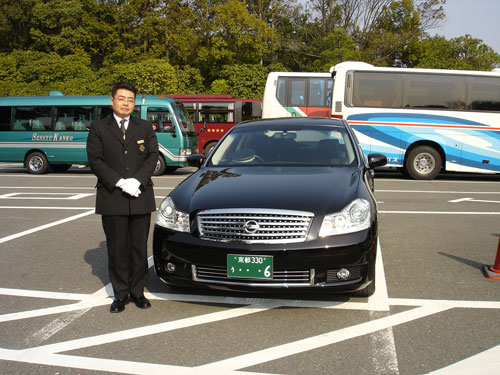



Types and common roles
- Private drivers: people who drive for personal transport or leisure.
- Professional drivers: taxi, bus, truck, delivery, and courier drivers who transport passengers or goods for pay.
- Specialist drivers: emergency vehicle operators, chauffeurs, and parade or tour drivers trained for particular services.
- Competitive drivers: motorsport participants such as race car and rally drivers who drive at high speed under regulated conditions.
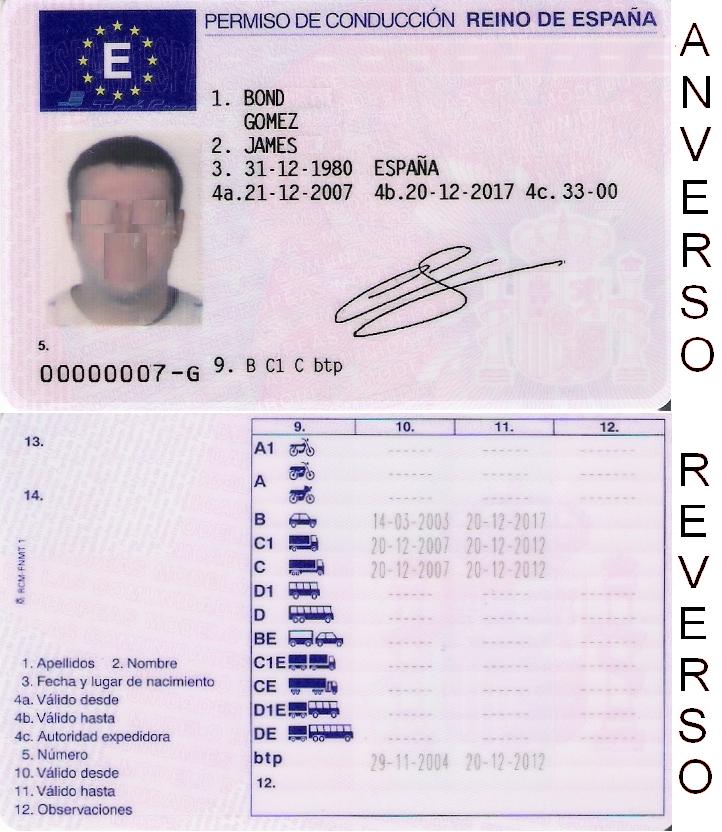
Licensing, training and certification vary by jurisdiction. Most countries require a formal driving test and a license class that corresponds to vehicle type and weight. Professional drivers often need additional endorsements, medical checks and hours-of-service knowledge. Training ranges from basic control and rules of the road to advanced defensive driving and load-securement techniques.
Responsibilities and safety
- Control and maneuver a vehicle safely, obey traffic signs and signals.
- Monitor surroundings, maintain safe following distances and adapt speed to conditions.
- Ensure passenger comfort and cargo safety where applicable.
- Avoid impaired driving, manage fatigue, and perform pre-trip inspections for professional operators.
Safety is a central concern: human error, distraction, impairment and fatigue are major causal factors in collisions. Modern driver-assistance systems such as automatic emergency braking, lane-keeping aids and adaptive cruise control change the driver’s role by sharing some tasks, while development of autonomous vehicles raises legal and practical questions about responsibility and control.
Historically, driving emerged with the adoption of motor vehicles in the late 19th and early 20th centuries and evolved with road networks, traffic regulation and vehicle technology. Today the occupation remains vital to commerce and daily life, with notable distinctions between driving as a casual activity and as a professionally regulated trade.
Related articles
Author
AlegsaOnline.com Driver (vehicle operator) Leandro Alegsa
URL: https://en.alegsaonline.com/art/28958