
Douglas DC-2: 1930s twin‑engined airliner
The Douglas DC-2 was a 1930s American twin‑engine, all‑metal airliner that carried about 14 passengers. It pioneered features later refined in the Douglas DC-3 and helped modernize commercial flight.
The Douglas DC-2 was an American twin‑engined, all‑metal airliner developed in the early 1930s by the Douglas Aircraft Company. Designed as a modern, fast transport to meet growing airline demands, the DC-2 typically carried about 14 passengers and a small flight crew. Its combination of aerodynamic design and metal construction marked a clear step forward from the fabric‑covered biplanes of the previous decade.
Image gallery
10 Images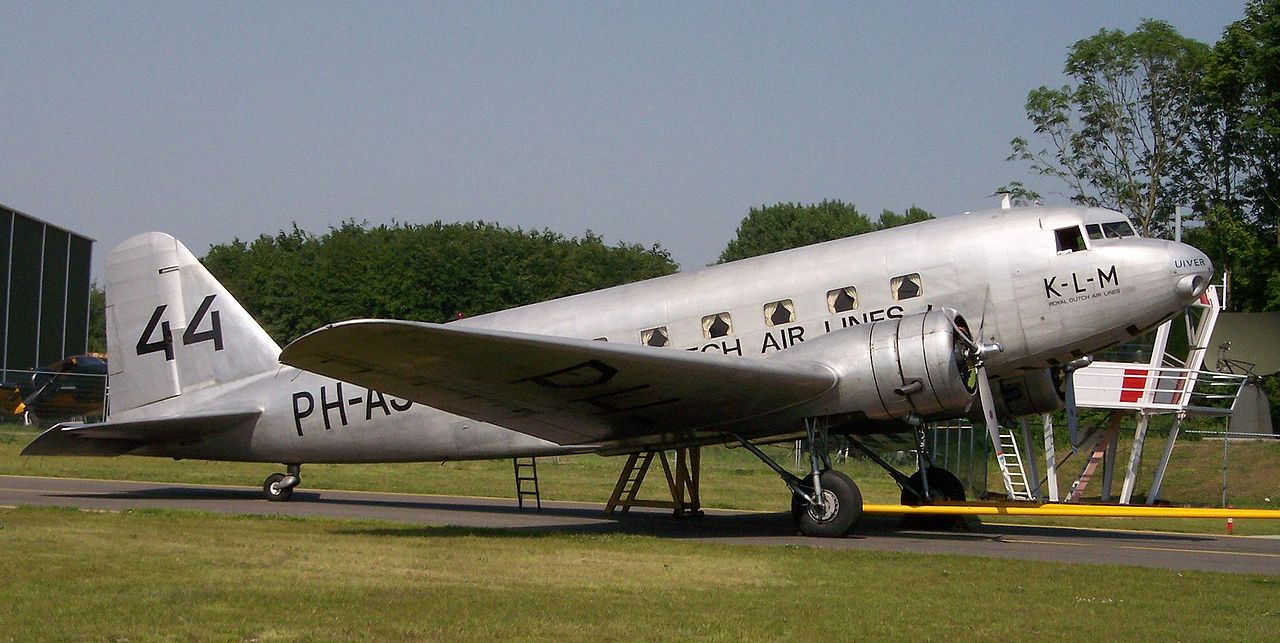




Design and features
- Low‑wing, stressed‑skin monoplane configuration that improved speed and durability.
- Twin radial piston engines with variable‑pitch propellers for better performance and reliability.
- Retractable main landing gear and a conventional tailwheel undercarriage.
- Passenger cabin focused on comfort for the era, with room for about fourteen people.
These elements combined to give the DC-2 improved cruise speed, range and operating economics compared with many contemporaries. The aircraft was praised for dependable handling and for making scheduled airline operations more practical and efficient.
Development and operational history
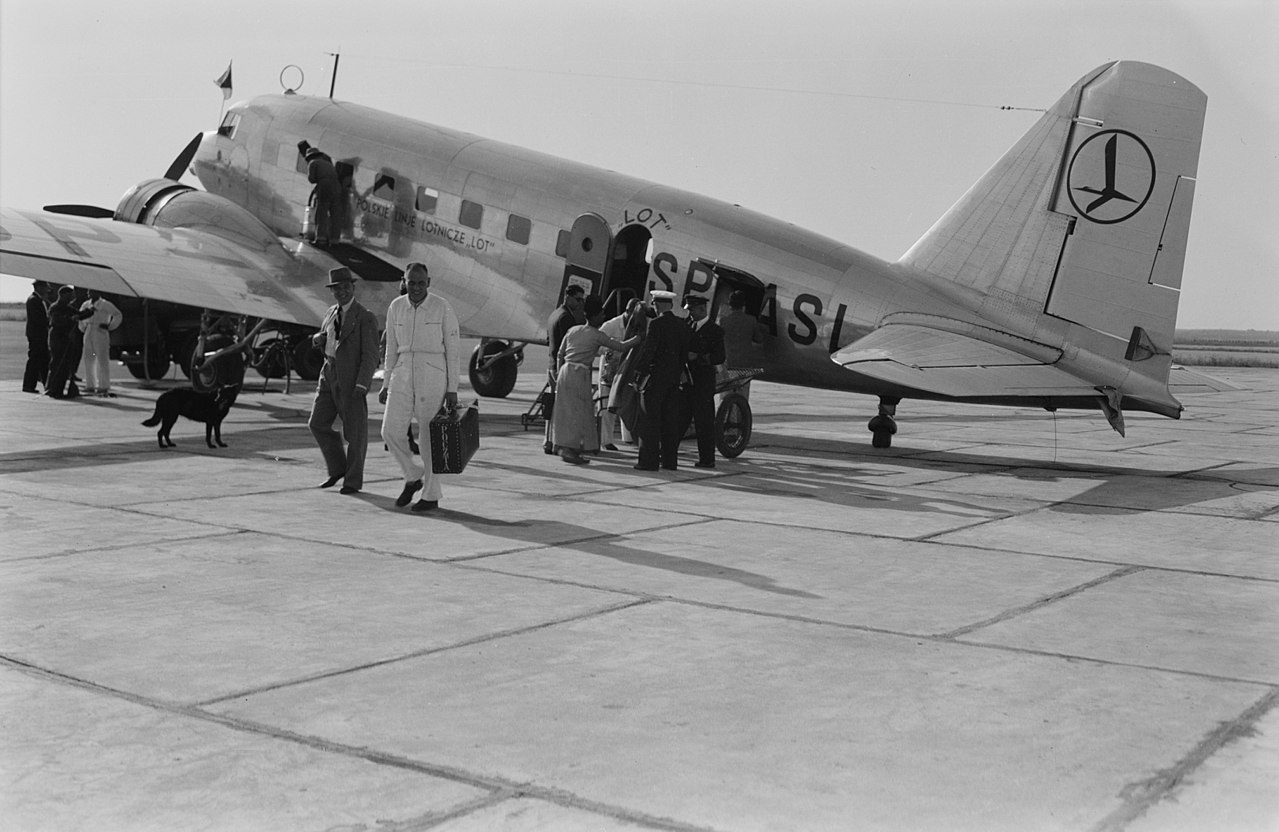
The DC-2 grew out of a single prototype that demonstrated the advantages of Douglas’s new airliner concepts. It first flew in the mid‑1930s and entered commercial service soon afterward. Major airlines in North America and Europe adopted the type for short to medium routes; operators valued its reliability and the reduced operating costs it offered.
Although production numbers were modest compared with later types, the DC-2 played an important role in the transition to modern air transport. Lessons learned from its service and design led directly to the larger and more famous Douglas DC-3, which expanded capacity and range and became one of the most influential transport aircraft in history.
Uses, legacy and distinctions
Beyond civilian airlines, some DC-2s served in military and governmental roles where available. Many surviving examples are now preserved in museums or are showcased at airshows. The DC-2 is often remembered not for mass production but for demonstrating the practical advantages of all‑metal monoplanes and for establishing Douglas as a leading airliner manufacturer in the 1930s.
Related articles
Author
AlegsaOnline.com Douglas DC-2: 1930s twin‑engined airliner Leandro Alegsa
URL: https://en.alegsaonline.com/art/28696