
Donetsk People's Republic: origins, status, and role in the Donbas conflict
Overview of the Donetsk People's Republic (DPR): its emergence in 2014, territorial and administrative claims in eastern Ukraine, governance, international recognition, and role in the ongoing conflict.
Overview
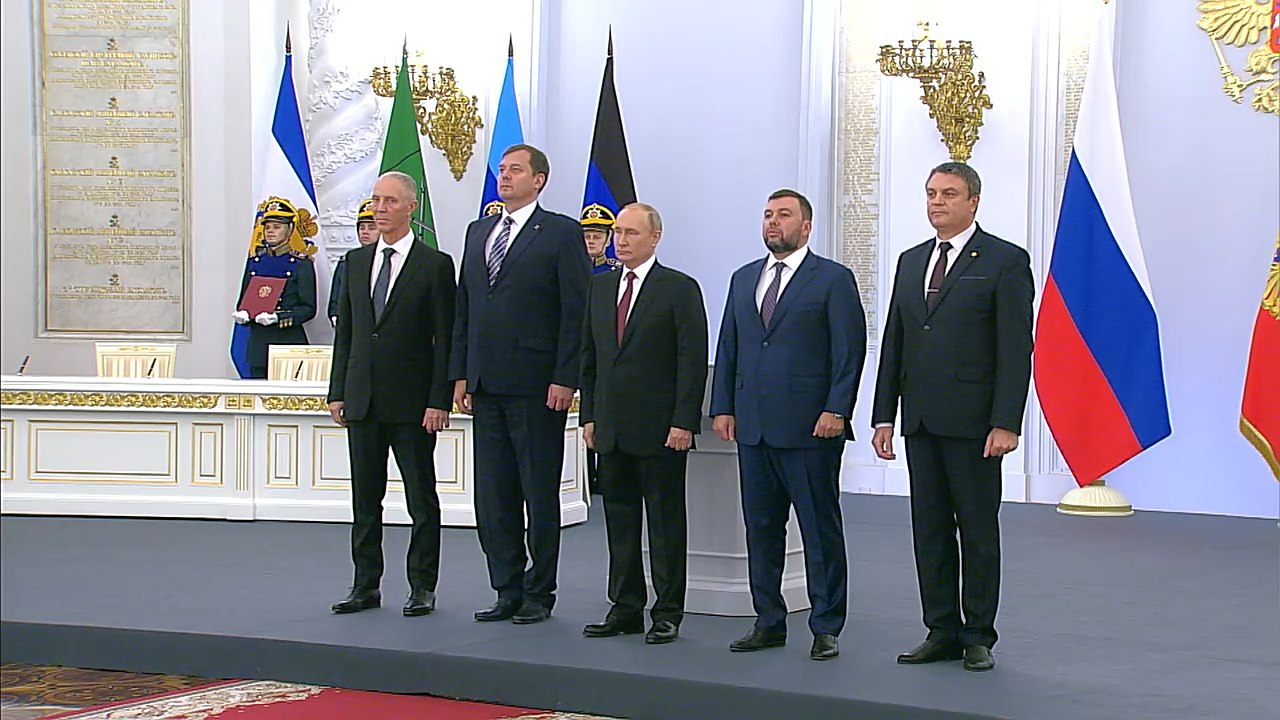
The Donetsk People's Republic (DPR) is a self-proclaimed polity that emerged in eastern Ukraine's industrial Donbas region. It declared independence from Ukraine in 2014 amid violent clashes and political upheaval following the Euromaidan events. The DPR claims parts of Donetsk Oblast and has exercised varying degrees of de facto control on the ground, while the Ukrainian government and most of the international community consider the territory part of Ukraine. For regional context see Donbas and the administrative unit Donetsk Oblast.
Image gallery
10 Images




Origins and development
Armed confrontations began in 2014 when local militants and separatist groups, some supported by cross-border assistance, seized government buildings and declared a breakaway republic. Around the same time, a neighboring entity, the Luhansk People's Republic, was proclaimed in Luhansk Oblast. The conflict reflected long-running political, cultural and linguistic divides in eastern Ukraine, where a sizeable number of residents identify as ethnic Russians or Russian-speaking. The early years saw shifting front lines, ceasefire attempts, and repeated violations.
Governance, administration and society
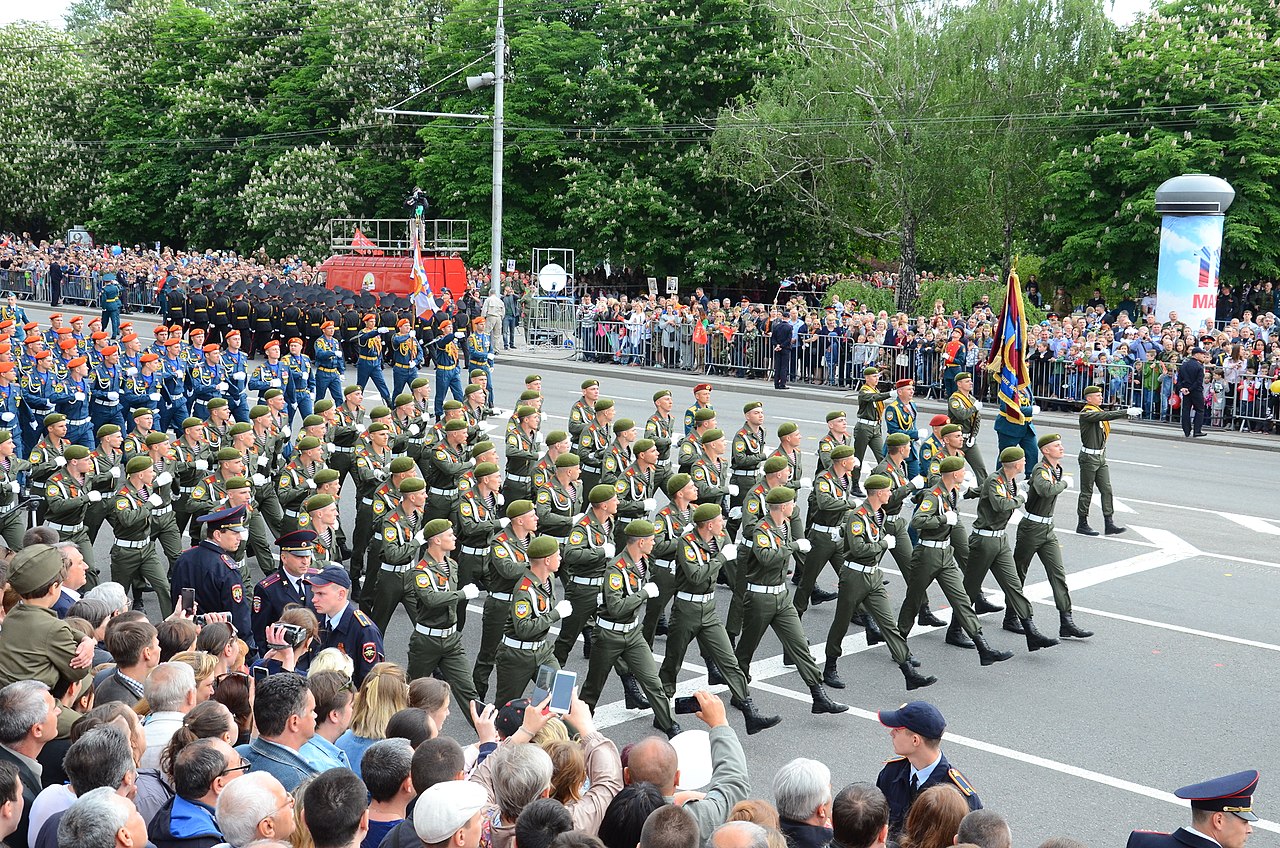
The DPR established its own administrative structures and public services in areas it controlled, including local security forces, courts, and municipal bodies. In practice its institutions have relied heavily on external support for personnel, logistics, and economic links. Daily life in the territory has been affected by infrastructure damage, population displacement, and economic disruption. Currency usage, travel documents, media and education policies have at times diverged from Ukrainian norms as the DPR authorities sought to create parallel systems.
International status and recognition
Most governments and international organizations treat the DPR as an unrecognized or non‑legitimate authority and regard its territory as part of Ukraine. In 2022 the Russian Federation formally recognised the DPR and the neighbouring Luhansk entity, a move followed by a small number of other states that announced their recognition, including Syria and the DPRK. The situation has prompted broad diplomatic condemnation, and actions such as purported annexation claims and referenda in 2022 were widely described by many countries as illegitimate.
Conflict dynamics and wider implications
The DPR has been central to a broader, protracted armed conflict often called the War in Donbas. International efforts to find a political settlement included negotiated frameworks and ceasefire accords, but implementation has been inconsistent. The fighting has had significant humanitarian consequences and altered security arrangements in Eastern Europe. Cross-border relations with the Russian Federation and the status of locally held territory remain key factors in any future resolution.
Key facts and distinctions
- The DPR is one of several post‑Soviet disputed entities in the region; related breakaway entities and contested territories include Abkhazia and South Ossetia, which have distinct histories and international standings.
- Its emergence coincided with the creation of the Luhansk People's Republic and wider unrest in the Donbas.
- Geography: Donetsk Oblast lies in eastern Ukraine near the border with the Russian Federation; more on the oblast is available via Donetsk Oblast and regional overviews at border references.
The DPR remains a focal point of contested sovereignty, humanitarian concern, and international diplomacy. Any account of its status should note both the local political realities on the ground and the broad international consensus regarding Ukraine’s territorial integrity.
Related articles
Author
AlegsaOnline.com Donetsk People's Republic: origins, status, and role in the Donbas conflict Leandro Alegsa
URL: https://en.alegsaonline.com/art/28433