
Luhansk People's Republic: overview, history, and international status
A concise encyclopedia entry on the self-proclaimed Luhansk People's Republic: its origins in the Donbas conflict, internal structure, contested recognition, and role in regional geopolitics.
The Luhansk People's Republic (LPR) is a self-proclaimed polity in eastern Ukraine's Donbas region that emerged during the armed unrest of 2014. It claims authority over parts of Luhansk Oblast and presents itself as a republic with its own institutions. The LPR arose alongside the Donetsk People's Republic amid fighting and political fragmentation in the area commonly referred to as the Donbas. Ukraine and the vast majority of the international community consider the territory to be part of Ukraine.
Image gallery
10 Images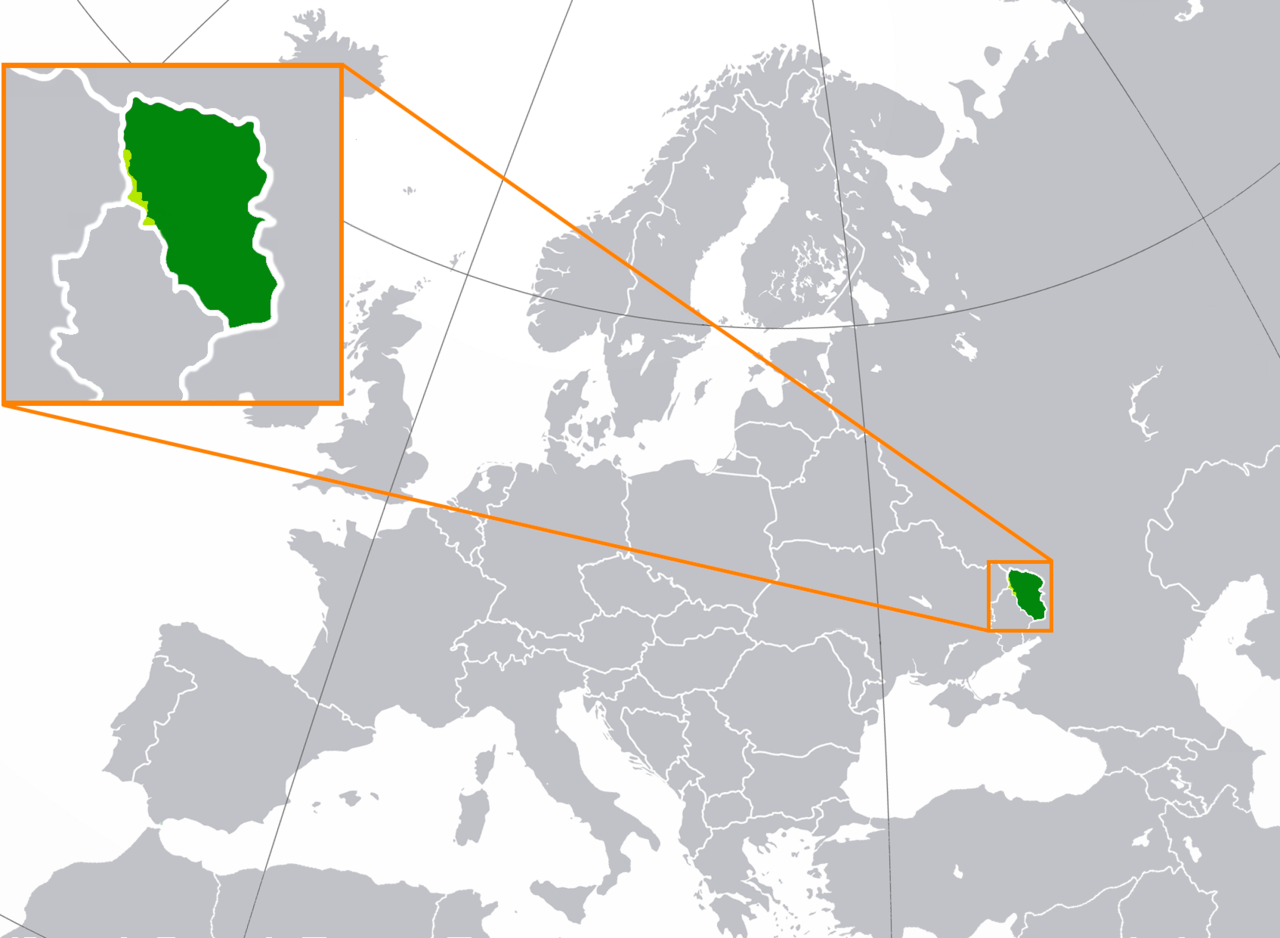


Origins and development
The movement that created the LPR began after large-scale demonstrations and armed confrontations in 2014, sometimes called the War in Donbass. Local activists, paramilitary groups and units that opposed Kyiv's central government declared independence in parts of Luhansk Oblast. The region lies near the international border with Russia, and the conflict involved cross-border flows of people, materiel and political influence. A number of ceasefire efforts and diplomatic initiatives—including accords negotiated in the so-called Minsk process—sought to halt the fighting but did not resolve the region's legal or political status.
Structure and daily administration
Authorities in the LPR have established governing bodies that mirror many state functions: a head of the entity, a legislature and ministries over areas such as security, economy and social services. In practice, civil administration has been constrained by ongoing insecurity, damage to infrastructure, and reliance on external support. Local officials have used a variety of currencies in trade and public payments, with close economic ties to the Russian market and currency circulation often favoring the Russian ruble.
International recognition and relations
The LPR is widely unrecognized. In 2022 the Russian government formally recognised the LPR and its counterpart in the east, the Donetsk People's Republic, shortly before escalating a major military intervention. A small number of other states have also given recognition or expressed diplomatic support; examples include Syria and the Democratic People’s Republic of Korea. Several entities with limited international recognition, such as Abkhazia and South Ossetia, have also engaged with the LPR in political statements. Most United Nations member states and international organisations continue to treat the territory as part of Ukraine.
Impact and significance
- Humanitarian and demographic effects: the conflict produced civilian casualties, population displacement and strains on public services within the region.
- Geopolitical implications: the LPR has been a focal point in broader tensions between Russia and Western governments over security, sovereignty and regional order.
- Legal and political disputes: referendums and administrative changes implemented under de facto authorities have been judged illegitimate by Ukraine and most foreign governments.
When discussing the LPR it is important to distinguish between the entity's internal claims and external legal recognition. While local authorities exercise control in parts of Luhansk Oblast, the entity's status remains disputed and embedded in a larger international and humanitarian crisis. For broader context about the region and related developments, see sources on the Donbas conflict and the neighbouring Donetsk Oblast, which experienced a parallel insurgency and proclamation of the Donetsk People's Republic.
Related articles
Author
AlegsaOnline.com Luhansk People's Republic: overview, history, and international status Leandro Alegsa
URL: https://en.alegsaonline.com/art/59823