
Doñana National Park: wetlands, dunes and conservation in southern Spain
Doñana National Park in Andalusia is a complex of marshes, dunes and woodlands that supports migratory birds and endangered species. This entry describes its location, habitats, history, threats and conservation efforts.
Overview
Doñana National Park is a prominent natural reserve on Spain’s southwestern Atlantic coast. It lies within the autonomous community of Andalusia, spanning parts of the provinces of Huelva and Seville. The park occupies the marshy delta and coastal plain where the Guadalquivir River flows into the Atlantic, forming a varied landscape of seasonal wetlands, shallow channels and mobile sand dunes. The total area commonly cited for the Doñana protected complex is about 543 square kilometres, of which roughly 135 square kilometres are subject to the strictest protection regimes.
Image gallery
10 Images
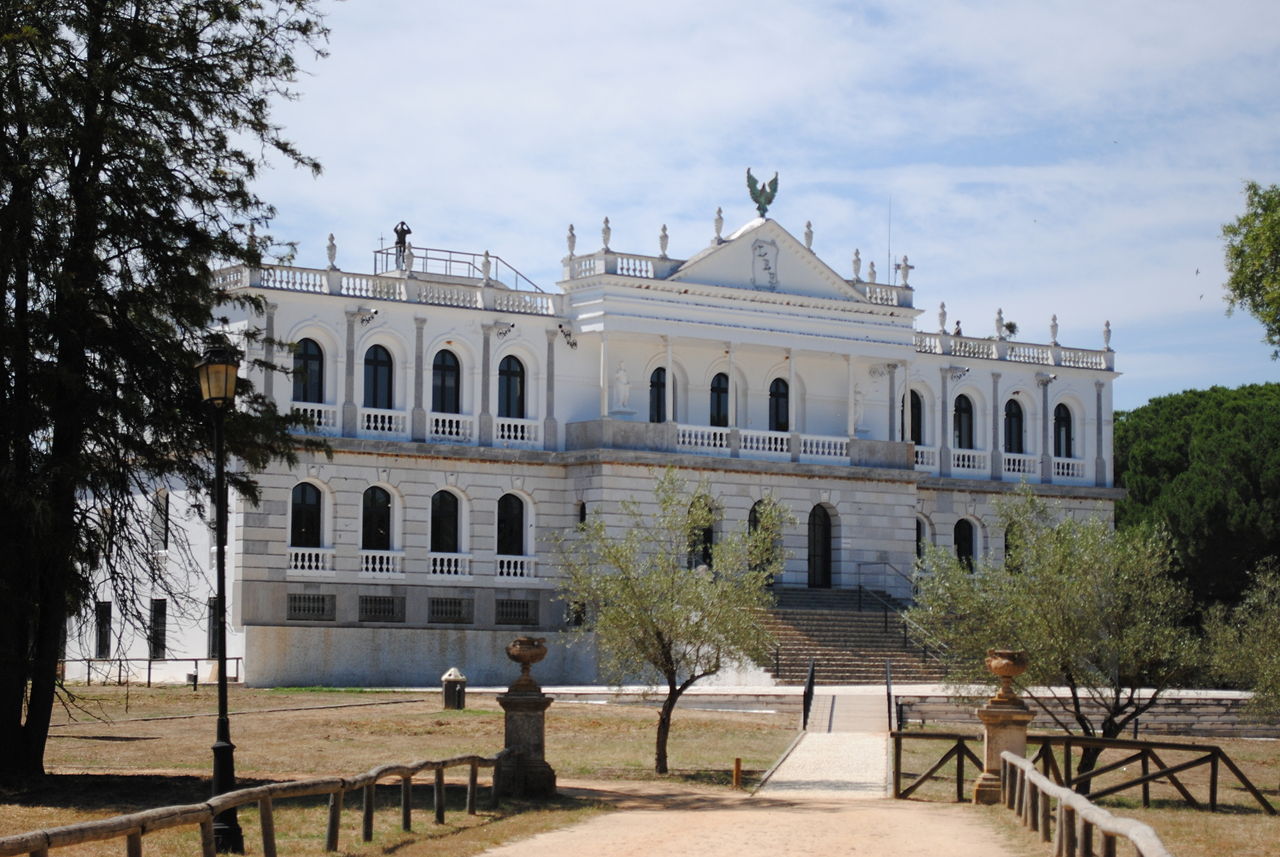


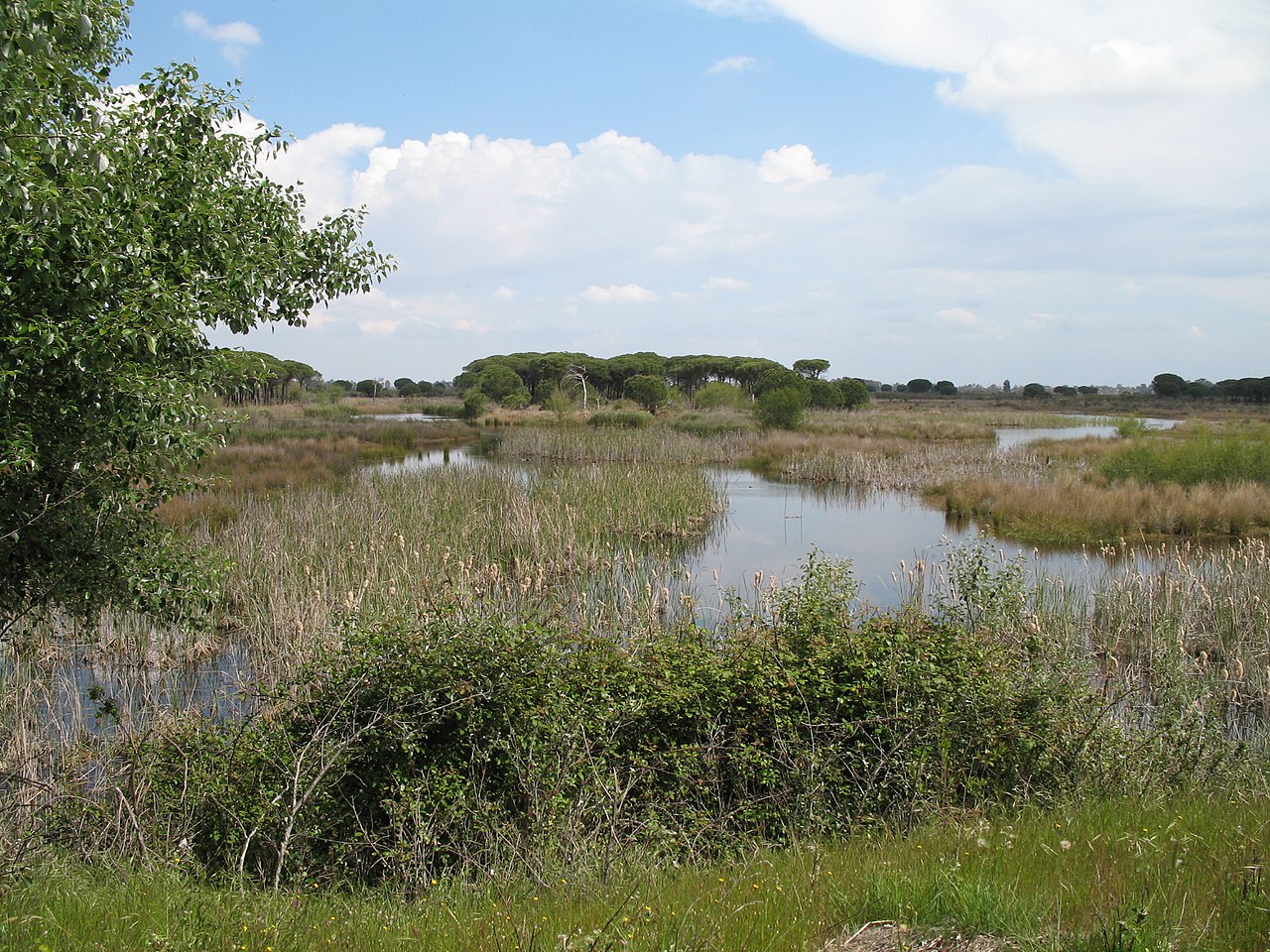

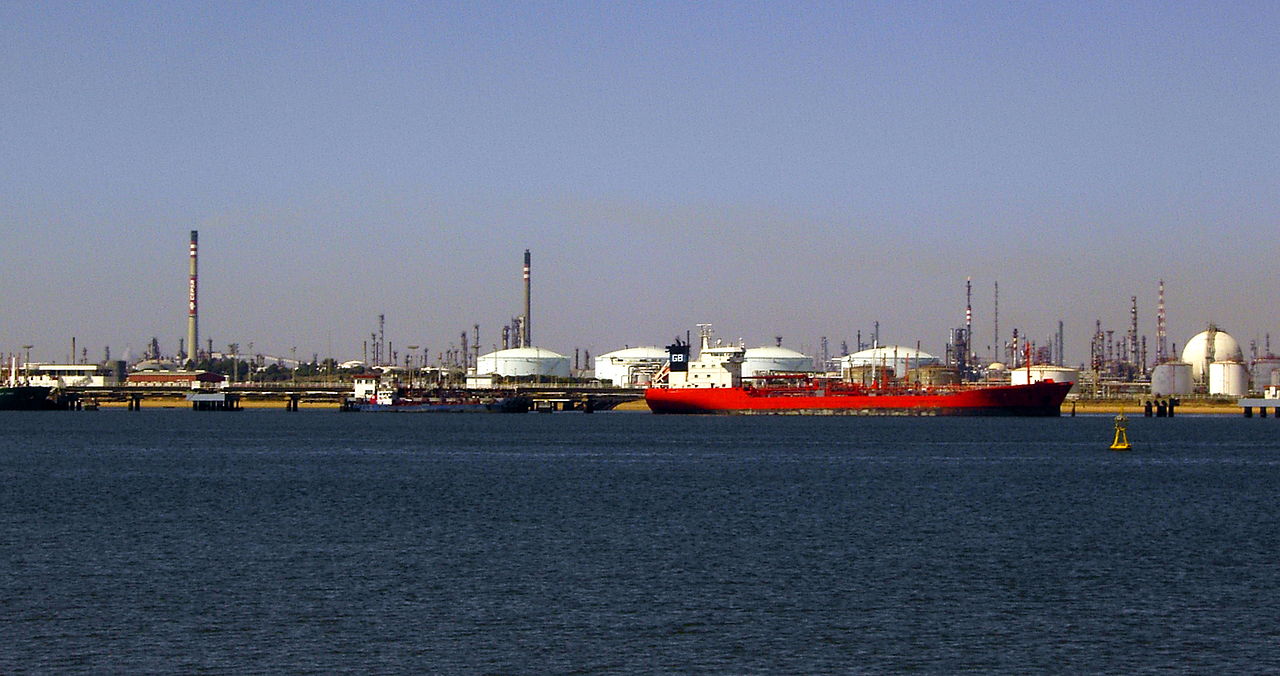


Location and landscape
Doñana occupies a low-lying plain of marshes and sand barriers known locally as Las Marismas. The interplay of tides, river flow and wind-driven sand creates a shifting mosaic of habitats: broad tidal and seasonal marshes, freshwater lagoons, stabilized dune ridges with pine and scrub, and open beach systems. These features make it one of the key wetland complexes for migratory birds moving between Europe and Africa.
Habitats and notable species
The park’s closely interwoven habitats sustain large numbers of waterfowl, waders and passerines during migration and winter, and provide breeding and feeding sites for resident species. Doñana is known for supporting rare and endangered species typical of Mediterranean wetlands, including the Iberian lynx and raptors such as the Spanish imperial eagle, together with amphibians, fish and invertebrate communities adapted to fluctuating water conditions.
History of protection
Modern conservation efforts began in the mid-20th century as scientific interest and local advocacy highlighted the area’s ecological value. The site was formally named as a protected nature area in 1969, and subsequent decades saw government designations, land purchases by conservation organisations and the establishment of adjacent reserves to extend protection. Early purchases of key marshland parcels by groups such as the World Wildlife Fund, in cooperation with Spanish authorities, helped prevent conversion to agriculture and large-scale development.
Threats and management
Doñana faces ongoing pressures from changes to hydrology and land use. Intensive groundwater extraction and the diversion of river water to supply coastal agriculture and horticulture alter the timing and extent of seasonal flooding. Pollution from agricultural runoff, expansion of tourist infrastructure and urban development near the park can fragment habitats and reduce water quality. Management responses include regulatory protection, hydrological restoration and water-management plans, targeted land purchases, controlled visitor access and scientific monitoring to guide adaptive measures.
Conservation importance and access
Doñana remains a living laboratory for wetland science and a vital stopover on the African–European migratory route. Its combination of marshes, dunes and woodlands supports biodiversity and local livelihoods through regulated tourism and scientific activity. The park’s name derives from Doña Ana de Silva y Mendoza, historically linked to regional nobility. It was included among sites considered for national recognition in popular listings such as the 12 Treasures initiative in 2007, and continues to be the focus of international conservation interest.
Further information
Visitors and researchers can consult official and regional sources for practical guidance and conservation updates: the main park pages and visitor information are available via the official Doñana National Park portal, and provincial resources for Huelva and Seville give local context. Detailed material on wetlands, hydrology and restoration frequently refers to changes in water use and irrigation practices as central management challenges. The original legal and designation history of the protected area is often cited in descriptions of the 1969 nature reserve declaration.
Related articles
Author
AlegsaOnline.com Doñana National Park: wetlands, dunes and conservation in southern Spain Leandro Alegsa
URL: https://en.alegsaonline.com/art/28414
Sources
- ramsar.org : "Ramsar List"
- wwf.be : "For a living planet"
- sobreturismo.es : "Lista de 100 finalistas de Nuestros 12 Tesoros de España"