
Drone (insects, unmanned vehicles, and cultural uses)
Comprehensive overview of the term 'drone': its biological meaning for male insects, technological uses for unmanned vehicles, cultural and fictional appearances, history, and key distinctions.
Overview
The word "drone" covers several related but distinct ideas. In biology it traditionally names a male individual of some social insect species. In technology it has become a common label for a wide range of unmanned, remotely operated, or autonomous vehicles. The term also appears in music, literature, film and games to describe sustained tones, characters, or robotic entities. This article outlines the main senses of the word, how they differ, and why the term became so widespread.
Image gallery
10 Images




In nature
In entomology, a drone is most often a male honey bee. Drones are typically haploid males that develop from unfertilized eggs in species with haplodiploid reproduction; their primary biological role is mating with queens. Close analogues appear in other social hymenopterans: for example, the term can refer to a male wasp or a male ant, where males commonly function chiefly in reproduction and may differ in size, longevity and behavior from workers and queens.
Vehicles and technology
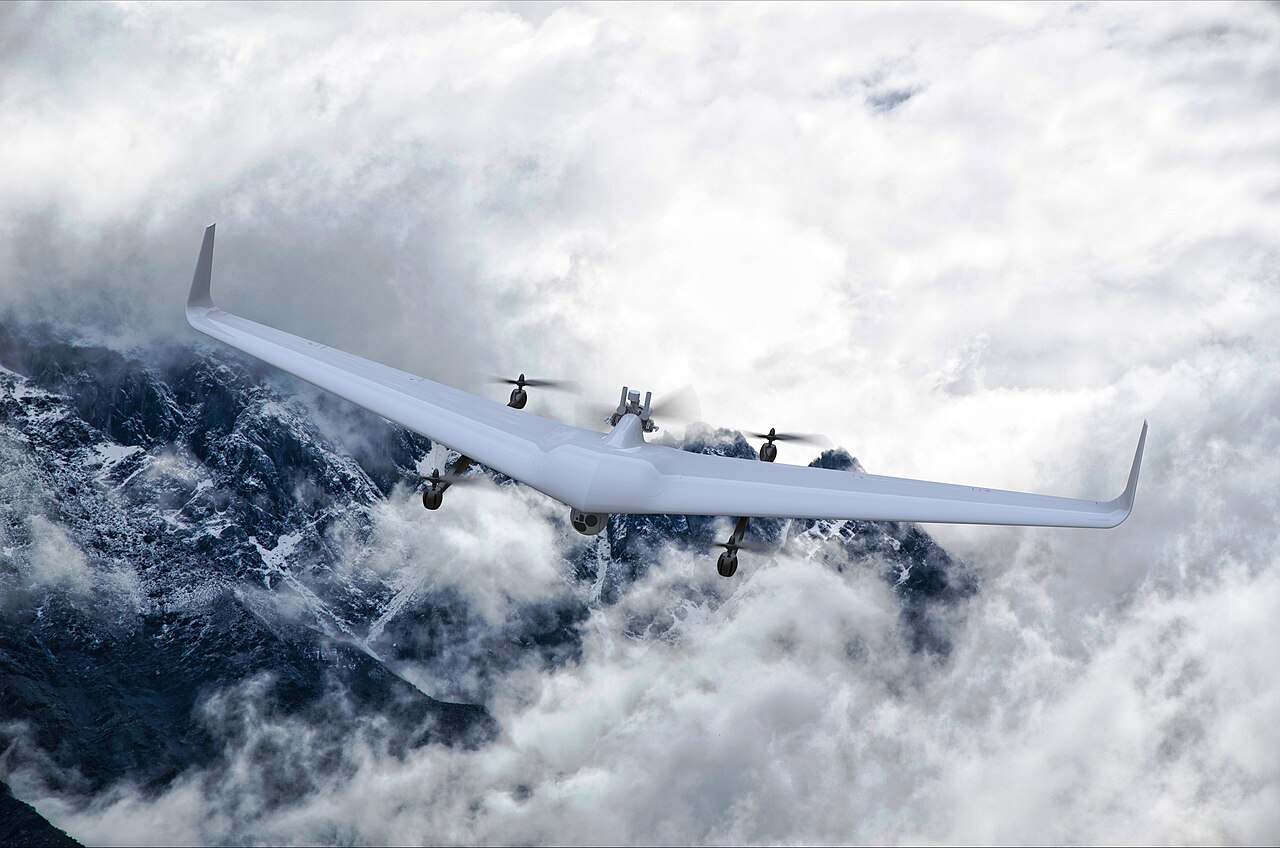
In modern usage, "drone" most often denotes an unmanned aerial vehicle (UAV) used for tasks where an onboard human pilot is absent. The same concept extends to other domains: remotely operated vehicles (ROVs) that operate underwater, and unmanned ground vehicles (UGVs) that move across land. A typical design comprises an airframe or chassis, propulsion, navigation and communication systems, sensors such as cameras or LiDAR, and software that ranges from basic remote control to advanced autonomy and obstacle avoidance. The label "drone" is applied to hobbyist quadcopters as well as large military systems, though technical and legal definitions vary by country and context—some organizations prefer terms like RPV (remotely piloted vehicle) or UAS (unmanned aircraft system).
History and development
Early experiments with pilotless aircraft and radio-controlled targets during the 20th century laid groundwork for modern drones. Improvements in miniaturized electronics, battery technology, global navigation satellite systems and software have accelerated civilian and commercial adoption. Today drones perform mapping, agricultural monitoring, package delivery trials, infrastructure inspection, search and rescue, scientific sampling, and a range of defense-related roles. Parallel development in underwater and ground robotics has produced ROVs for pipeline and archaeological work and UGVs for hazardous site operations.
Fiction, culture and music
"Drone" appears frequently in fiction and popular culture. Notable examples include assimilated humanoids called Borg drones in the Star Trek universe, and episodic uses such as the Star Trek: Voyager instalment titled "Drone." The word has been used for characters (members of P. G. Wodehouse's Drones Club), film titles (for instance a film named "Drone"), and as labels for robotic helpers such as the three maintenance robots in the movie Silent Running. Science fiction franchises have adapted the concept into weapons or automated units, for example the fictional Drone Weapons in the Stargate setting. In music, a "drone" denotes a continuous or repeated tone—found in instruments such as the bagpipes or tambura—and has inspired entire genres (drone music, drone metal) that emphasize sustained sound textures.
Distinctions and contemporary issues
Key distinctions to bear in mind: biological drones are specific male castes in eusocial insects with reproductive roles; technological drones are machines designed to operate without an onboard pilot. Contemporary debates around drones focus on safety, privacy, airspace regulation, ethical use in policing or warfare, and environmental effects. Technical classification can be granular—by size, range, endurance, payload or level of autonomy—so the single word "drone" often hides a wide variety of platforms and purposes. For accessible overviews and further reading on insect biology and robotic systems, consult introductory resources and regulatory guidance from aviation and research bodies such as those linked here: insect reference, social hymenoptera, unmanned aircraft, fictional technologies, cultural examples.
- Summary: "Drone" is a versatile term covering male social insects, unmanned vehicles in air/sea/land, musical tones, and many cultural references.
- Applications: Agriculture, inspection, surveying, scientific research, entertainment, and defense.
- Considerations: Legal regulation, privacy, safety, and ethical use remain central to ongoing public discussion.
Questions and answers
Q: What is the definition of drone in nature?
A: In nature, drone refers to a male bee, male wasp, or male ant.
Q: What are the different types of drones used in vehicles?
A: The different types of drones used in vehicles are unmanned aerial vehicles (UAV), remotely operated vehicles (ROV), and unmanned ground vehicles (UGV).
Q: What are some uses of unmanned aerial vehicles (UAV)?
A: Unmanned aerial vehicles (UAV) are often used for target practice or surveillance.
Q: What is the purpose of remotely operated vehicles (ROV)?
A: Remotely operated vehicles (ROV) are used for mine clearing or underwater exploration.
Q: What is the purpose of unmanned ground vehicles (UGV)?
A: Unmanned ground vehicles (UGV) are robotic land vehicles often used to replace humans in hazardous situations.
Q: What is a drone in fiction and give some examples?
A: A drone in fiction can be a member of the Drones Club in P.G. Wodehouse's novels, a humanoid that has been assimilated by the Borg in the Star Trek universe, three robotic helpers in the movie Silent Running, or Detective Drone, the hero of Victorian crime stories.
Q: What is a drone in music?
A: The term drone in music refers to a continuous, sustained sound or note that underpins the melody or rhythm.
Related articles
Author
AlegsaOnline.com Drone (insects, unmanned vehicles, and cultural uses) Leandro Alegsa
URL: https://en.alegsaonline.com/art/28983