
Province of Huelva
Huelva is a province in western Andalusia, southern Spain. It features Atlantic coastline, the Doñana wetlands, a long mining history around Río Tinto, and an economy based on agriculture, fishing, mining and tourism.
Overview — The Province of Huelva lies in the western part of Andalusia in southern Spain. Its capital city is Huelva, and the province borders Portugal, the provinces of Badajoz, Seville and Cádiz, and the Atlantic Ocean. Administratively it forms part of the autonomous community of Andalusia and is often described as a distinct province within southern Spain.
Image gallery
2 Images
Geography and natural features
Huelva combines a long Atlantic coastline with river plains and low mountains inland. The coastal zone includes extensive beaches and the important Doñana wetlands, a protected area noted for migratory birds and diverse habitats. The Río Tinto basin in the north is famous for its distinctive red, mineral-stained landscape shaped by centuries of metal extraction.
History and development
The province has deep historical roots, from prehistoric settlements through Phoenician and Roman periods to medieval times. Its ports and coastal towns played roles in maritime exploration; nearby ports served as departure points during the early voyages of exploration. Mining has shaped local history: the extraction of copper and other ores in the Río Tinto area is one of the oldest recorded mining activities in the region and continues to influence local heritage.
Economy and uses
Economic activity in Huelva centers on agriculture, mining and fishing, with tourism growing in recent decades. Fruit cultivation—particularly strawberries grown in the coastal plains—vegetable production, and horticulture are important agricultural activities. Traditional and industrial mining around Río Tinto and other deposits remain notable, as does a sizeable fishing and port sector that supports trade and seafood processing. Tourism focuses on beaches, nature reserves and cultural sites.
Culture, towns and notable places
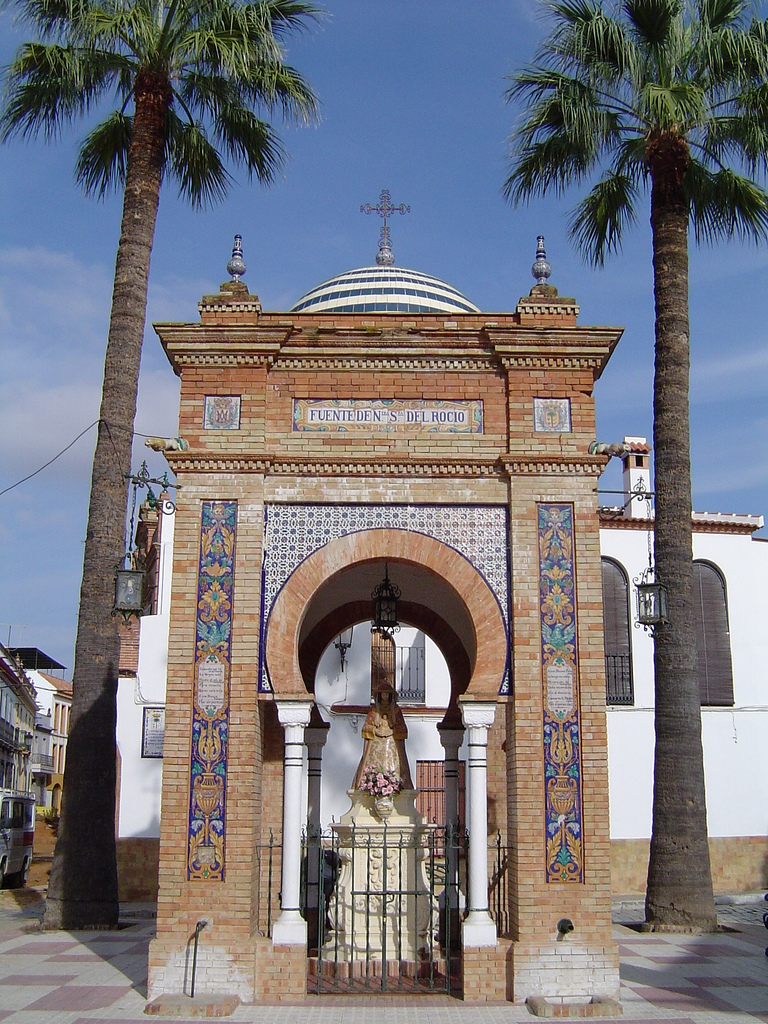
Municipalities range from the provincial capital to coastal resorts and inland towns. Notable places include the Doñana National Park and the Río Tinto mining area, which attract visitors interested in nature and industrial history. Local cultural life mixes Andalusian traditions with festivals that celebrate maritime, agricultural and historical links. Visitors often combine nature tourism with sampling regional cuisine and visiting small port towns.
Key facts and distinctions
- Andalusia-level identity within Spain and proximity to Portugal influence trade and culture.
- Doñana functions as a major protected wetland and a recognized biosphere reserve.
- Historic mining in the Río Tinto area illustrates long-term industrial impact on landscape and heritage; modern mining and related industries remain part of the local economy (mining).
For practical information on transport, administration and tourism services consult provincial resources and regional guides, which provide schedules, conservation rules and visitor advice tailored to the coast, inland routes and protected areas such as Doñana. For official statistics and further administrative details see relevant provincial and autonomous community portals.
province profile • southern Spain context • regional government • Andalusia overview • border with Portugal • Atlantic coast • capital Huelva • mining heritage
Related articles
Author
AlegsaOnline.com Province of Huelva Leandro Alegsa
URL: https://en.alegsaonline.com/art/79632
Sources
- findarticles.com : Famous mineral localities: The Rio Tinto mines, Huelva, Spain | Mineralogical Record | Find Articles at BNET