
Don Pasquale — comic opera by Gaetano Donizetti
Don Pasquale is a three-act Italian comic opera by Gaetano Donizetti with a libretto by Giovanni Ruffini, first performed in Paris in 1843. It is a staple of the bel canto comic repertoire.
Overview
Don Pasquale is an Italian comic opera in three acts composed by Gaetano Donizetti with a libretto attributed to Giovanni Ruffini. Premiered in Paris on 3 January 1843, it is one of Donizetti's late works and is often cited as a fine example of 19th-century operatic comedy, blending lively ensembles, graceful bel canto writing and farcical plotting.
Image gallery
5 Images


Principal roles and musical structure
The work is written for a small ensemble and focuses on four principal characters: the elderly bachelor Don Pasquale, his nephew Ernesto, the witty physician Dr. Malatesta, and the spirited soprano Norina. Typical vocal types include bass (Don Pasquale), tenor (Ernesto), baritone (Malatesta) and soprano (Norina). The score balances solos, duets and multi‑character ensembles and makes frequent use of rapid patter, melodic showpieces and expressive ensembles that resolve the plot through music as well as action.
- Don Pasquale — bass
- Ernesto — tenor
- Dr. Malatesta — baritone
- Norina — soprano
History and premieres
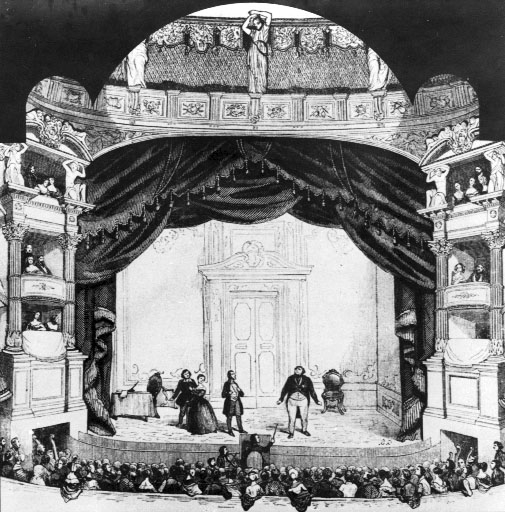
Don Pasquale was the 64th of the 66 operas Donizetti composed. It premiered at the Comédie-Italienne in Paris on 3 January 1843 and reached Italian stages that spring. Notable early performances include the La Scala production in Milan and early appearances in London and the United States, which helped establish the piece in the international repertory.
- Paris (Comédie-Italienne): 3 January 1843
- Milan (La Scala): 17 April 1843
- London: 29 June 1843
- New Orleans, USA: 7 January 1845
Synopsis and themes
The plot is a comic device about an old man who wishes to marry in order to disinherit his nephew. With the help of a scheming doctor and a clever young woman, the nephew and his love interest stage a ruse that exposes the foolishness and vanity of the would‑be husband. The opera satirizes social pretensions, the battle of the sexes and generational folly while relying on fast pacing and character-driven humor.
Reception, performance practice and notable facts
Since its debut Don Pasquale has remained popular for its sparkling tunes and theatrical opportunities. Singers and companies prize Norina's coloratura and comic abilities and the score is often staged as a brisk, visual farce. The opera is a frequent companion to other Donizetti comedies in season programming and has been recorded and filmed many times.
Further reading and resources
For general reference and production details consult standard opera guides and production histories: reference 1, reference 2, reference 3, reference 4, reference 5, reference 6, reference 7, reference 8, source A, source B, source C, source D.
Related articles
Author
AlegsaOnline.com Don Pasquale — comic opera by Gaetano Donizetti Leandro Alegsa
URL: https://en.alegsaonline.com/art/28369