
Dominion of Newfoundland (1907–1949): history, government and legacy
Overview of the Dominion of Newfoundland (1907–1949): its geography, constitutional status, suspension of self-government, path to Canadian confederation, and lasting cultural and legal legacies.
The Dominion of Newfoundland was a self-governing polity within the British imperial system from 1907 until 1949. Situated in northeastern North America, it comprised the island of Newfoundland and the mainland region of Labrador, with a long Atlantic coastline that shaped its economy and settlement patterns. Its position in the North Atlantic influenced fisheries, shipping and strategic considerations during the two world wars. Location and maritime context are central to understanding the dominion's development; its coastal setting on the Atlantic determined much of its commerce. The main territorial components were the island of Newfoundland and the mainland district of Labrador.
Before 1907 the territory had been administered as a British colony. In 1907 it was granted dominion status, a form of constitutional autonomy within the British Empire that recognized local self-government while retaining ties to the Crown and Imperial institutions. That complex relationship to London reflected continuity with other imperial territories: the administration remained under the British Crown and influenced by the wider imperial framework (British institutions). The passage of the Statute of Westminster in 1931 further clarified the constitutional position of dominions by recognizing legislative independence; Newfoundland was identified in that era as one of the dominions alongside other self-governing polities in the Commonwealth (Statute of Westminster, independence within the British Commonwealth and in the company of other dominions such as Canada, Ireland, South Africa, Australia and New Zealand).
Economic pressures and political crises in the interwar years altered Newfoundland's trajectory. Heavy reliance on the fishery, exposure to volatile markets, and large public debts made governance difficult during the Great Depression. In 1934 the elected Newfoundland government voluntarily suspended responsible government and accepted a Commission of Government appointed from London. That arrangement returned direct administrative control to Imperial authorities while leaving Newfoundland formally a dominion in law; it was an unusual reversal of the earlier trend toward devolution of power to settler governments.
World War II brought new economic activity and strategic infrastructure to the region, but questions about long-term constitutional arrangements remained. After the war, debate over the dominion's future culminated in referendums and political negotiations. In 1949 Newfoundland chose to join Canada and became that country's tenth province, an outcome driven by a combination of economic argument, political campaigning and international context. Confederation altered Newfoundland's national status and integrated its institutions into the Canadian federal system; it also sparked ongoing discussions about identity, rights and regional development.
Image gallery
7 Images


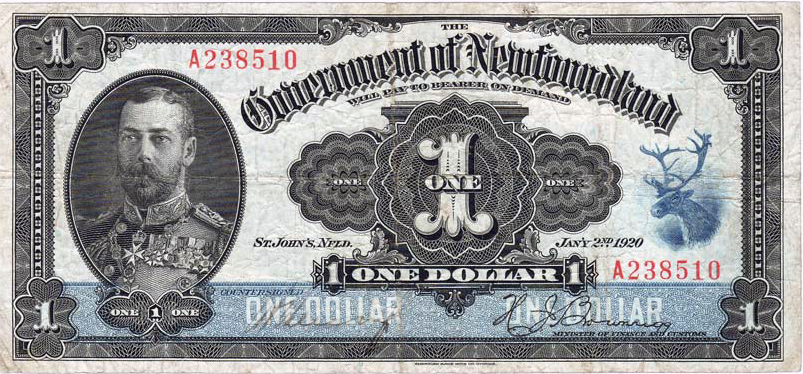
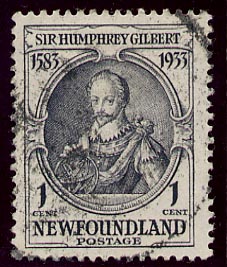
Characteristics and notable features
- Geography: Island-dominated territory with a mainland Labrador region, long Atlantic coastline and scattered coastal settlements.
- Economy: Centred on fisheries, shipping and resource extraction, with vulnerability to external price shifts.
- Government: Shifted from colonial rule to dominion status (1907), legal autonomy clarified in 1931, and restoration of imperial administration in 1934 through the Commission of Government.
- International role: Strategic location in wartime and participation in imperial and Commonwealth networks.
Today the Dominion period is studied for what it reveals about empire, self-government, economic fragility and regional identity. It left durable legacies in law, cultural expression and Newfoundland and Labrador's distinct place within the Canadian federation. For readers seeking more specific primary sources or archival material, the following links point to topics and resources for further exploration:
- Geographic context and maps
- Atlantic maritime history
- The island of Newfoundland
- The Labrador region
- British imperial administration
- Statute of Westminster (constitutional background)
- Concepts of dominion independence
- The Commonwealth and dominions
- Canada and confederation
- Ireland among the dominions
- South Africa's dominion history
- Australia's experience as a dominion
- New Zealand and imperial ties
- Newfoundland's entry as a Canadian province
The history of the Dominion of Newfoundland illustrates shifting patterns of sovereignty and governance in the 20th century, and remains a focal point for understanding how small, resource-dependent polities navigated the pressures of empire, depression and global war.
Related articles
Author
AlegsaOnline.com Dominion of Newfoundland (1907–1949): history, government and legacy Leandro Alegsa
URL: https://en.alegsaonline.com/art/28305
Sources
- heritage.nf.ca : The Newfoundland Royal Commission, 1933 (The Amulree Commission)
- heritage.nf.ca : "The Commission of Government, 1934-1949"