
Divine grace
Divine grace is the theological idea of unearned favor or help from the divine, central to Christianity and present in other traditions; it explains forgiveness, transformation, and blessings.
Overview
Divine grace commonly denotes unmerited favor or assistance that a deity bestows on humans. In the context of Christianity it is a central category used to explain how human beings receive pardon, renewal, and relationship with God. Grace often appears in discussions of salvation, but it also describes everyday support, inspiration, or provision that believers regard as coming from a benevolent source.
Image gallery
2 Images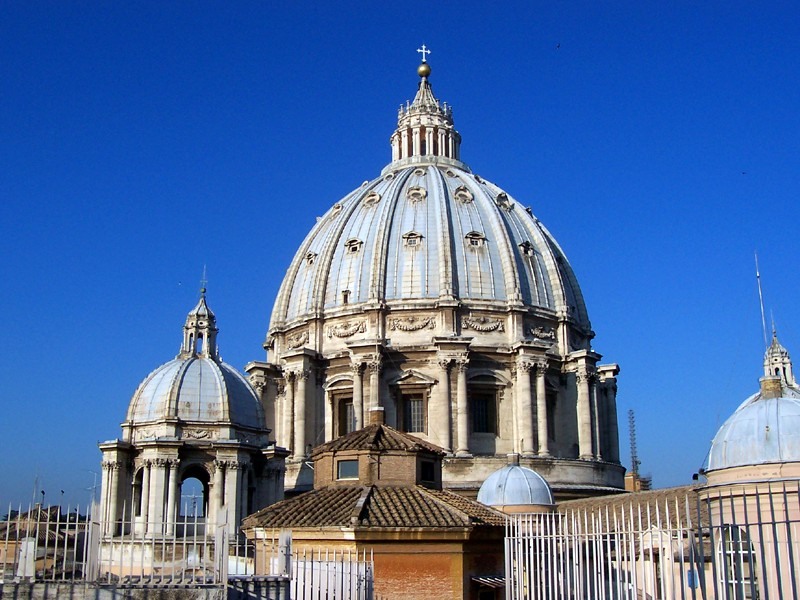

Forms and theological distinctions
Theological traditions distinguish several senses of grace. Common categories include:
- Prevenient grace: help that precedes a person’s decision, enabling openness to the divine.
- Justifying or saving grace: the action by which a person is forgiven and counted righteous before the divine.
- Sanctifying grace: ongoing transformation that shapes character and moral life.
- Actual and common grace: momentary aid or general blessings given to all people, whether they believe or not.
Historical development
Debates about grace have shaped major movements within Christianity. Early church writers wrestled with how divine help relates to human freedom. In the Middle Ages and the Reformation, thinkers such as Augustine, Luther, and Calvin argued over whether grace is irresistible, how it interacts with human will, and whether it is bestowed through sacraments or received by faith alone. Eastern Orthodox theology emphasizes cooperation (synergy) between divine gift and human response, while many Protestant traditions contrast grace with law or merit.
Significance, examples, and uses
Grace explains a range of religious experiences and practices. It is invoked to describe conversion, moral renewal, sacraments (as channels of divine help), acts of forgiveness, and providential care in daily life. Pastoral language uses grace to comfort people facing guilt, loss, or failure by stressing that acceptance is not earned. In ethics and liturgy, appeals to grace shape how communities understand justice, mercy, and charity.
Distinctions and notable facts
Grace is often contrasted with merit (what one earns) and with justice (what is strictly owed). It overlaps with concepts in other faiths: for example, certain Hindu and Islamic ideas express analogous notions of divine favor, though doctrinal details differ. Because it addresses both metaphysical and practical concerns, the doctrine of grace remains a focal point in theology, spirituality, and interdenominational dialogue.
Further reading
For introductions and denominational perspectives see concise summaries in religious encyclopedias and theological surveys: many of these discuss historical controversies and the pastoral implications of grace in life and worship. Online and print resources frequently use the term in both its technical theological senses and its everyday spiritual sense.
Related articles
Author
AlegsaOnline.com Divine grace Leandro Alegsa
URL: https://en.alegsaonline.com/art/27806
Sources
- britannica.com : "Definition of grace"