
Diya (oil lamp): traditional Indian lamp, forms, history and cultural uses
A diya is a small oil lamp from the Indian subcontinent used in domestic worship and festivals. This article explains its form, materials, history, religious uses, and modern variations.
Overview
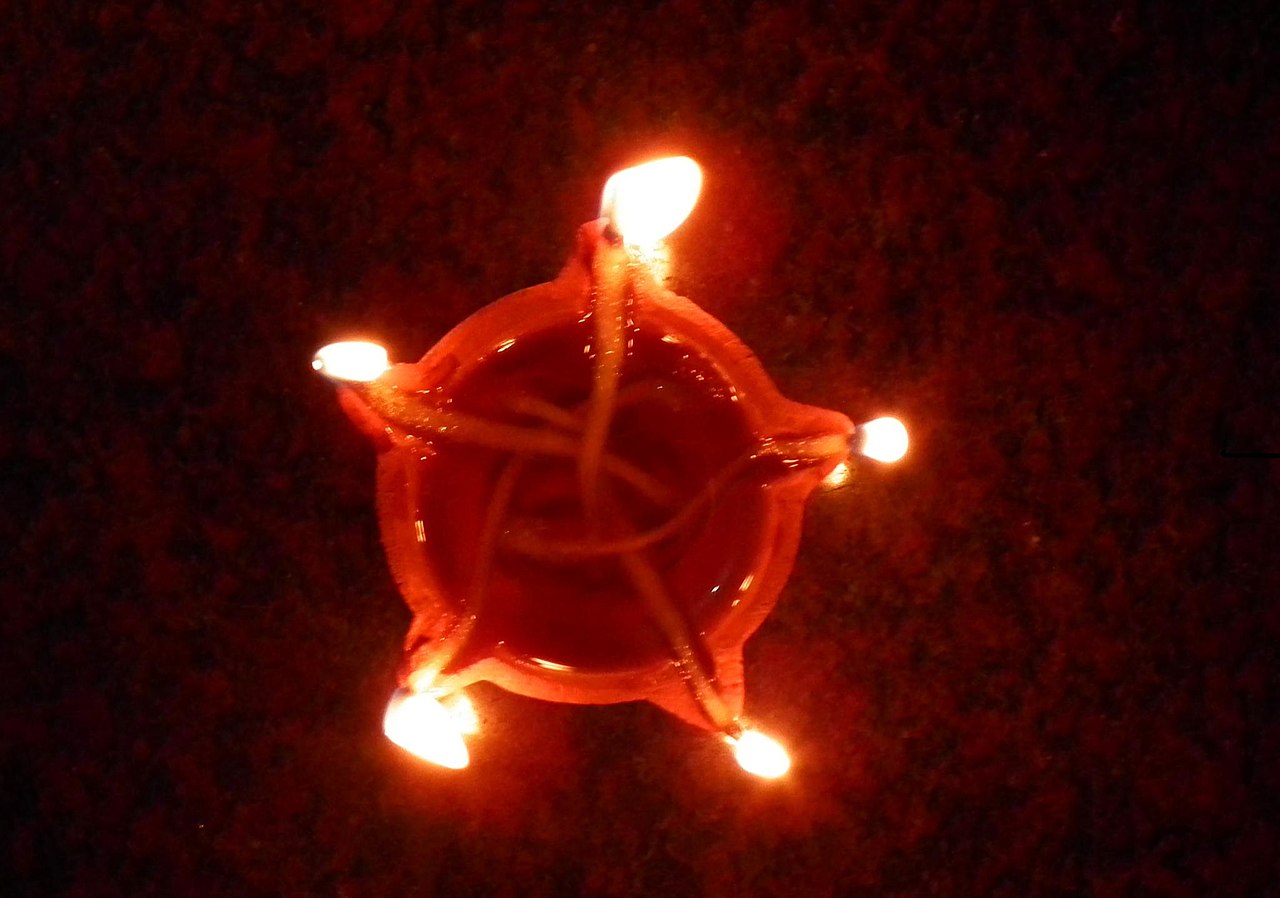
A diya (also spelled diyo, deya, divaa, deepa, deepam or deepak) is a small oil lamp traditionally used across the Indian subcontinent. Commonly made from clay, metal or stone, a diya holds a wick and a fuel source so it can produce a steady flame. In the widest sense a diya is an oil lamp used in homes and temples throughout the Indian subcontinent, especially in India and Nepal. The wick is usually cotton (cotton) and the fuel may be clarified butter (ghee) or vegetable oil.
Image gallery
10 Images




Form and components
A typical diya is a shallow bowl with a spout or notch to hold the wick. Terracotta (baked clay) diyas are the most common traditional form, shaped by hand or mould and fired for durability. Variants are crafted in brass, copper, silver and modern ceramics. The basic parts are the reservoir for oil, the wick and the flame: simple but effective. Decorative motifs, sizes and colors vary by region and by the ritual context.
History and symbolism
Oil lamps have a long presence in South Asian material culture. Evidence of lamps and controlled flame use in the region goes back to ancient times, and lamps appear in religious texts and temple art. Symbolically, the diya represents light dispelling darkness and knowledge overcoming ignorance — metaphors that make it central to many rituals and seasonal festivals.
Religious and cultural uses
Diya lighting is a common element in several religious traditions. Hindu, Hindu-derived rites, Sikh observances, Jain ceremonies and some Zoroastrian practices incorporate lamps. The most widely known festival featuring diyas is Diwali, when households illuminate thresholds and courtyards; diyas are also lit during daily puja, aarti, and ceremonies such as the Kushti ritual.
Types, occasions and modern practice
- Common types: terracotta diyas, metal oil lamps, floating diyas for water rituals, and electric or battery-powered decorative lamps.
- Typical occasions: Diwali, Karthika Deepam, household aarti, weddings and temple ceremonies.
- Modern trends: brightly painted diyas, mass-produced colored clay lamps, and safer electric alternatives for public displays.
Beyond ritual use, diyas function as cultural symbols in art, literature and advertising. When used with care they provide a simple, sustainable source of light and a visual reminder of continuity between daily life and centuries-old religious traditions.
Questions and answers
Q: What is a Diya?
A: A Diya is an oil lamp that is native to the Indian subcontinent and is usually made from clay with a cotton wick dipped in ghee or vegetable oils.
Q: Where is the Diya most commonly used?
A: The Diya is most commonly used in the Indian subcontinent, mostly in India and Nepal.
Q: What is the Diya typically made of?
A: The Diya is typically made from clay.
Q: What is the wick in a Diya dipped in?
A: The wick in a Diya is dipped in ghee or vegetable oils.
Q: What religious festivals is the Diya often used in?
A: The Diya is often used in Hindu, Sikh, Jain and Zoroastrian religious festivals such as Diwali or the Kushti ceremony.
Q: What is the significance of the Diya in Hinduism?
A: The Diya is considered a symbol of knowledge and is used in Hinduism to dispel ignorance and darkness.
Q: Why is the Diya important in religious festivals?
A: The Diya is important in religious festivals as it symbolizes the victory of good over evil and is used to light up homes and temples.
Related articles
Author
AlegsaOnline.com Diya (oil lamp): traditional Indian lamp, forms, history and cultural uses Leandro Alegsa
URL: https://en.alegsaonline.com/art/28017
Sources
- zeenews.india.com : "Diwali: Significance of a Diya"