
Allegheny River: geography, history, and uses
The Allegheny River is a major river of the Eastern United States, rising in New York, flowing through Pennsylvania and joining the Monongahela to form the Ohio River at Pittsburgh.

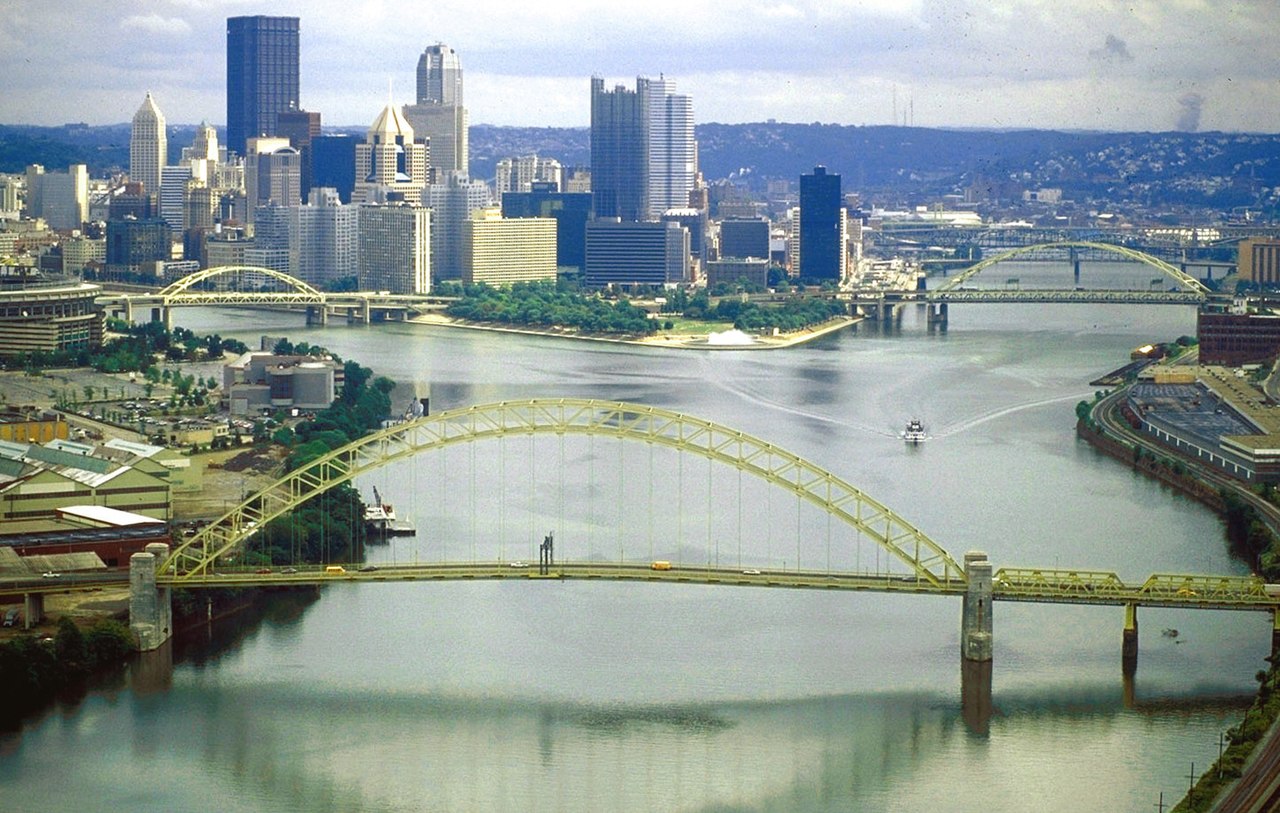
The Allegheny River is a principal waterway of the northeastern United States. Rising in the highlands of New York and flowing southwest into Pennsylvania, it continues through a mix of forested valleys, small cities and industrial towns before merging with the Monongahela River at the Point in Downtown Pittsburgh. That confluence creates the Ohio River, and by discharge the Allegheny is considered the main headstream of both the Ohio and, ultimately, the Mississippi Rivers. The river is an important feature of the Eastern United States river system and has supported settlement, transportation and industry for centuries.
Image gallery
10 Images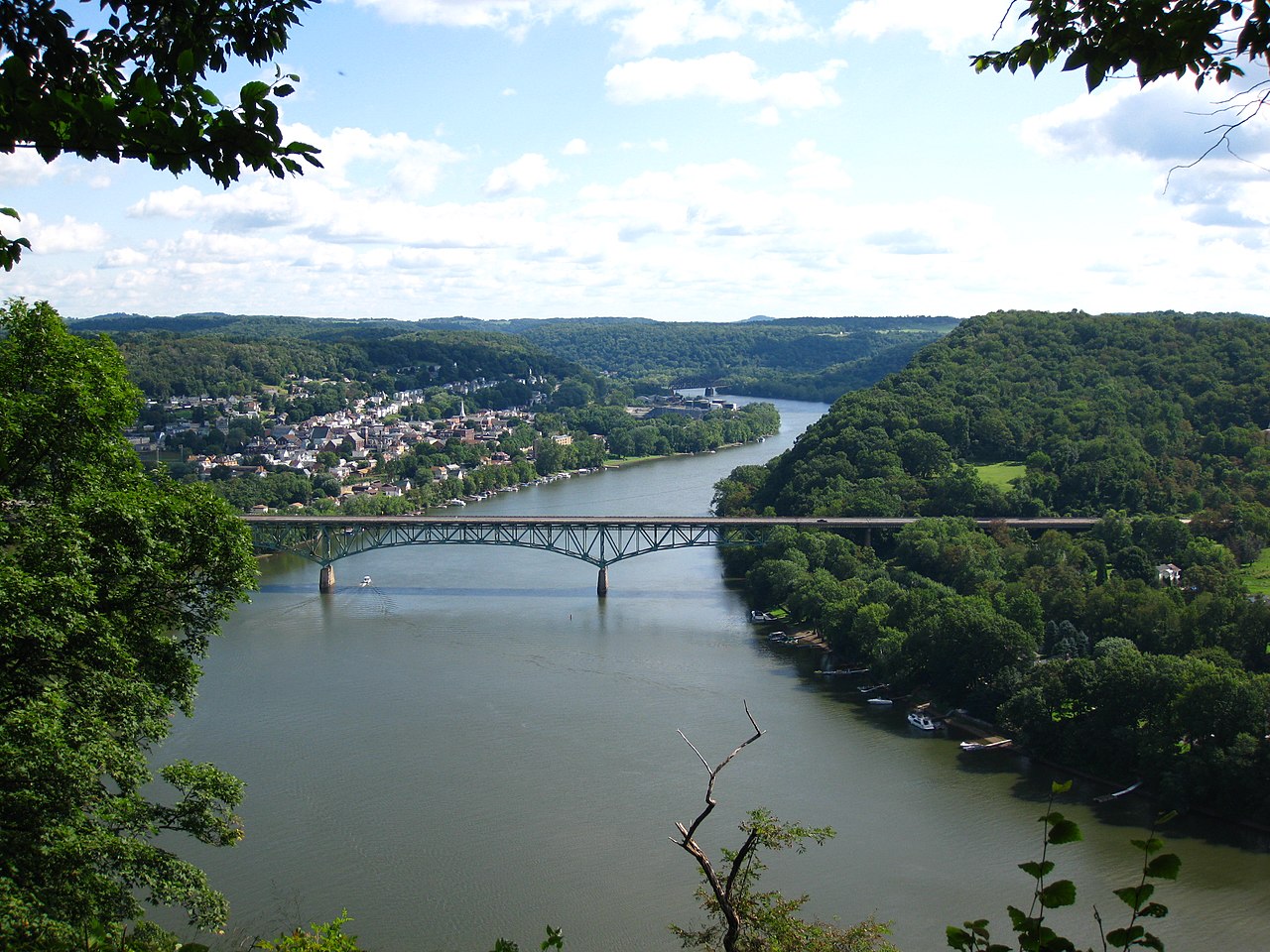



Course and characteristics
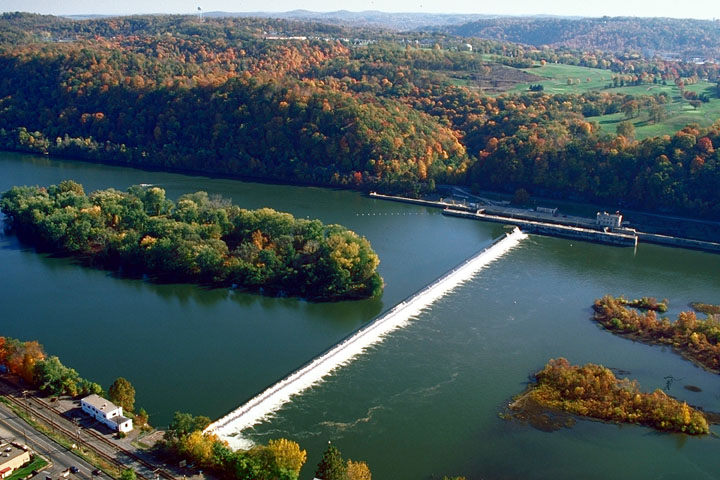
The river's course winds through a varied landscape of narrow valleys and wider floodplains. Along its path it receives water from numerous tributaries and drains a broad watershed. The channel alternates between slow-moving pools behind dams and longer, free-flowing reaches that provide habitat diversity. Human modifications — notably a system of locks and dams — were installed to maintain navigation and water levels for commerce and municipal needs.
History and cultural significance
Indigenous peoples lived and traveled along the Allegheny long before European arrival; place names and archaeological sites reflect extensive native use. The river figured in colonial-era conflicts, fur trade routes and westward expansion. During the 19th and early 20th centuries it was a corridor for steamboats, timber rafting and later petroleum-related commerce near oil-producing towns. Construction of flood-control works and reservoirs in the 20th century altered flows and reshaped communities in the river's basin.
Cities, tributaries and infrastructure
- Notable cities and towns along the river include Pittsburgh, Oil City, Franklin, Warren and Olean.
- Major tributaries and feeder streams help define the watershed; among them are rivers and creeks that contribute to seasonal flow and sediment transport.
- Important infrastructure includes navigation locks and dams plus larger flood-control projects such as the well-known Kinzua Dam and reservoir, which changed local landscapes and water management.
Ecology, uses and recreation
The Allegheny supports a variety of fish, waterfowl and riparian plant communities. Historically, industrial discharges from mining, oil, and manufacturing damaged water quality in stretches of the river; over recent decades, cleanup and regulatory efforts have led to measurable ecological recovery in many areas. Today the river is used for commercial navigation in some reaches, hydropower and reservoir management in others, and extensive recreational activities — including boating, sport fishing, paddling and shoreline trails.
Contemporary importance and distinctions
The Allegheny remains regionally significant as a source of water, a transportation corridor and a cultural landmark. At its confluence with the Monongahela it forms the Ohio River, an event celebrated in city parks and riverfront developments. For those seeking more specific guides to boating, fishing regulations, or regional history, local resource authorities and conservation organizations provide maps and seasonal advisories; official and community pages offer details about management and recreational opportunities, such as agencies linked here: tributary information, state resources, and broader river system context via the Ohio River and Mississippi River references.
Researchers, anglers and visitors continue to study and enjoy the Allegheny's varied reaches. Whether approached as a natural corridor, historical artery or recreational destination, the river is a defining element of the landscape and communities it touches.
Related articles
Author
AlegsaOnline.com Allegheny River: geography, history, and uses Leandro Alegsa
URL: https://en.alegsaonline.com/art/2767