
Alph River (Antarctica)
Alph River is a small seasonal meltwater stream in Victoria Land, Antarctica, named by explorer Griffith Taylor after Coleridge’s poem. It lies in the ice‑free Dry Valleys and is studied for hydrology and microbial life.
Overview
The Alph River is a short, seasonal meltwater stream found in the ice‑free valleys of Victoria Land in Antarctica. It flows only during the brief austral summer when solar heating and glacier melt produce runoff. Like other streams in these valleys, the Alph exists within one of Earth’s coldest and driest desert regions, where liquid water is rare but ecologically and scientifically important.
Image gallery
1 Image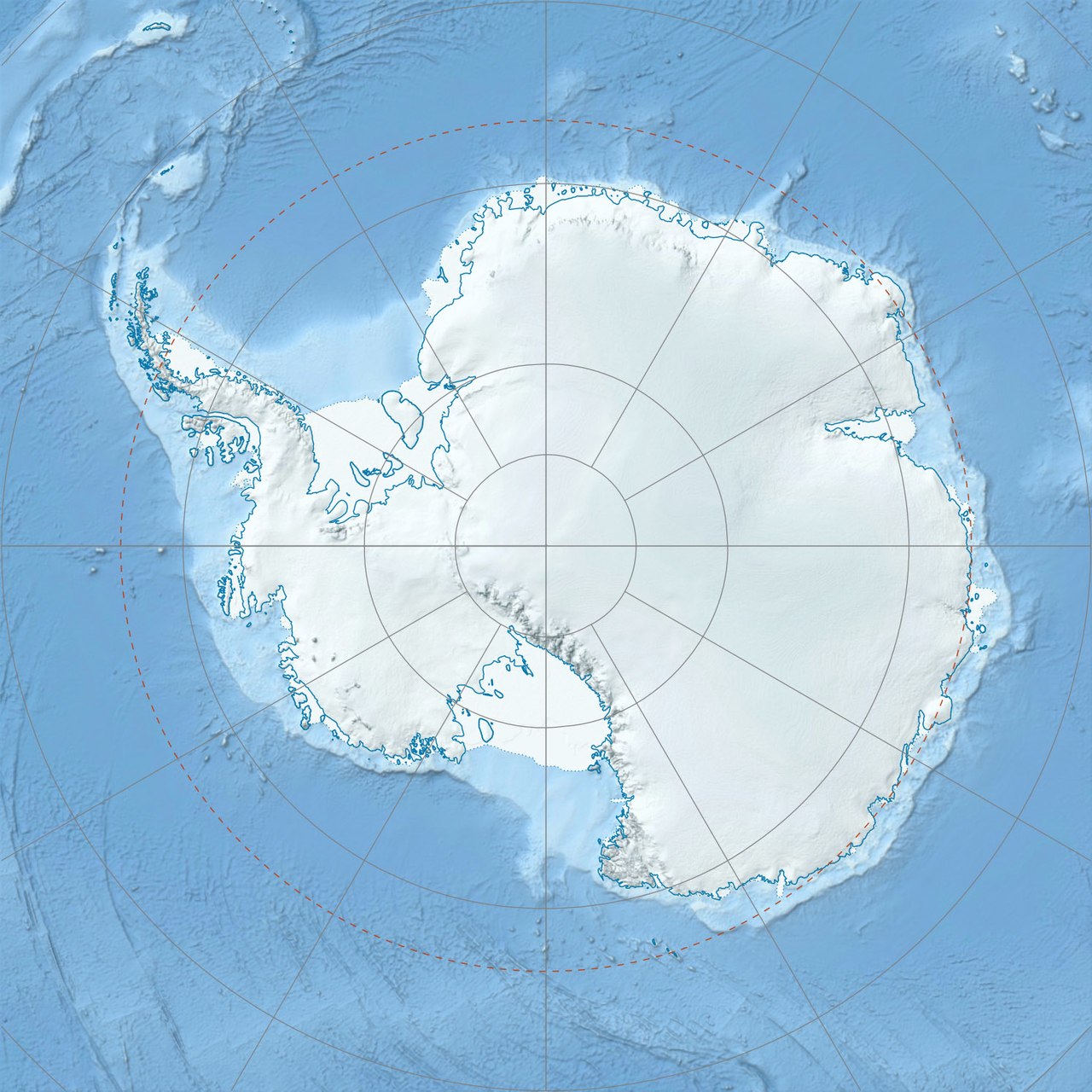
Characteristics and setting
The river’s channel is typically shallow and confined, carrying meltwater and suspended sediments across exposed ground rather than through perennial ice. Flow is episodic and closely tied to temperature, solar radiation and local snow or ice availability. Vegetation is essentially absent; where water persists, microbial mats and simple communities of cyanobacteria and algae may form along the margins.
History and naming
The name was given by geologist Griffith Taylor during the early 20th‑century British Antarctic Expedition. He drew inspiration from literature, adopting the river’s name from Samuel Taylor Coleridge’s poem; nearby features such as the Xanadu Hills echo the same poetic source and preserve the expedition’s cultural references. The association highlights a common practice of explorers naming Antarctic features after literary or classical themes.
Scientific importance and human use
Although small, the Alph River and comparable melt streams are valuable natural laboratories. Scientists study their seasonal hydrology, sediment transport and the extremophile communities that survive in cold, nutrient‑poor conditions. Observations from these channels contribute to understanding climate‑driven changes to Antarctic ice, freshwater availability and the limits of life in polar environments.
Notable facts
- Its name comes from Coleridge; see Samuel Taylor Coleridge for the poetic reference.
- It is part of the system of ephemeral streams found in the McMurdo Dry Valleys, one of the few Antarctic regions free of year‑round ice cover.
- Research there informs broader studies of polar ecology, geomorphology and paleoclimate.
Because flow occurs only seasonally and the setting is remote, human impact is limited and most activity is scientific. The Alph River remains a small but noteworthy feature illustrating how literature, exploration and science intersect in Antarctic place names and research.
Related articles
Author
AlegsaOnline.com Alph River (Antarctica) Leandro Alegsa
URL: https://en.alegsaonline.com/art/2950