
Dizi — Chinese transverse bamboo flute
The dizi is a traditional Chinese transverse flute made mainly from bamboo, notable for its bright, resonant tone produced by a membrane. It appears in folk, opera and modern orchestras.
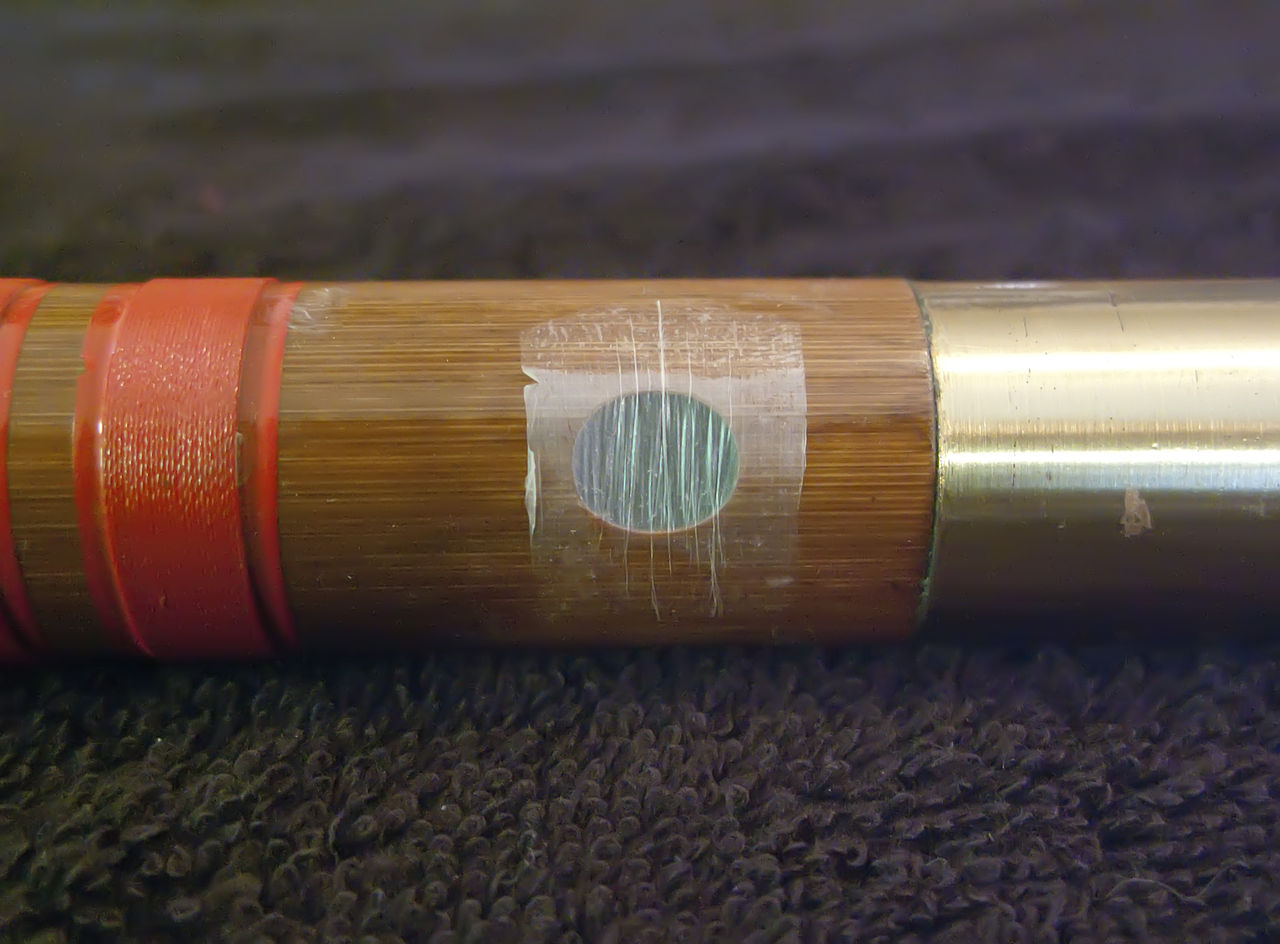
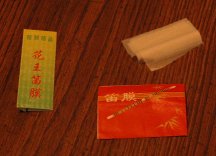
The dizi is a side-blown (transverse) flute commonly associated with Chinese music. Traditionally made from bamboo, it produces a clear, penetrating sound that can be lyrical or highly expressive. A distinctive feature is the thin membrane (dimo) stretched over a special hole, which adds a buzzing, resonant timbre not found on many other flutes.
Image gallery
6 Images


Characteristics and parts
Most dizis are simple in layout but carefully made for pitch and tone. Typical elements include:
- Blowing hole (embouchure) near one end.
- Membrane hole (mo kong) covered with a thin film of bamboo membrane called dimo.
- Six finger holes for scale and pitch control, sometimes with one or two extra holes for tuning or alternate fingerings.
- Joints and cork linings to help tune and preserve the instrument; modern versions may use synthetic materials or keys for chromatic playing.
Types and tuning
Dizi vary by size and regional style. Shorter, higher-pitched varieties (often called bangdi) are used for lively folk tunes, while longer, lower-pitched types (qudi, xindi or kuaidi) serve melodic or ensemble roles. They are made in different keys by changing length and bore diameter; players select an instrument to fit the required range and timbre.
History and development
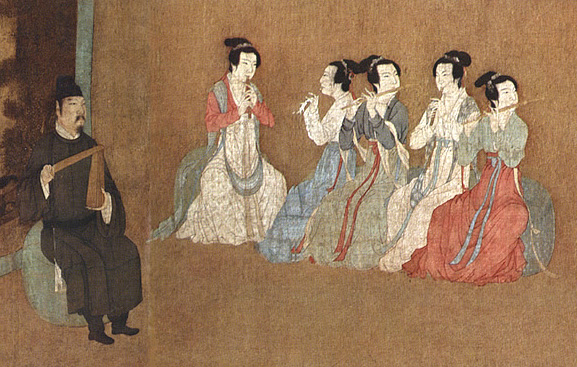
The transverse flute has a long presence in China. Archaeological finds and historical records show bamboo and bone flutes used in ritual and entertainment for many centuries. Over time the addition of the membrane and refinements in tuning and construction produced the modern dizi used in regional music, opera and, later, in 20th‑century Chinese orchestras and contemporary compositions.
Playing, repertoire and uses
Performance techniques include breath control, tonguing, vibrato, pitch bending and glissandi; the membrane allows subtle tonal coloration and a percussive edge. Dizis appear in solo pieces, chamber ensembles, traditional opera, and large orchestral works. Contemporary players also adapt Western repertoire and experiment with amplification or altered fingerings to expand the instrument's role.
Notable distinctions
The dizi is distinct from vertical flutes like the Chinese xiao or the Japanese shakuhachi: its transverse orientation, use of a membrane, and bright timbre set it apart. For further instrument details and examples of regional styles, see additional information.
Related articles
Author
AlegsaOnline.com Dizi — Chinese transverse bamboo flute Leandro Alegsa
URL: https://en.alegsaonline.com/art/28020