
Diospyros: ebony and persimmon trees — overview, characteristics and uses
Diospyros is a genus of about 450–500 trees and shrubs including ebony and persimmon species, valued for dense timber, edible fruit and ornamental planting across tropical and some temperate regions.
Overview. Diospyros is a genus of roughly 450–500 species of trees and shrubs, commonly called ebony or persimmon. Most species occur in tropical and subtropical regions, with only a few extending into temperate zones. Many species are cultivated for timber, for their edible fruits, or as ornamental plants. For a general introduction to the genus see Diospyros overview and for broad distribution patterns consult world distribution.
Image gallery
10 Images




Morphology and characteristics
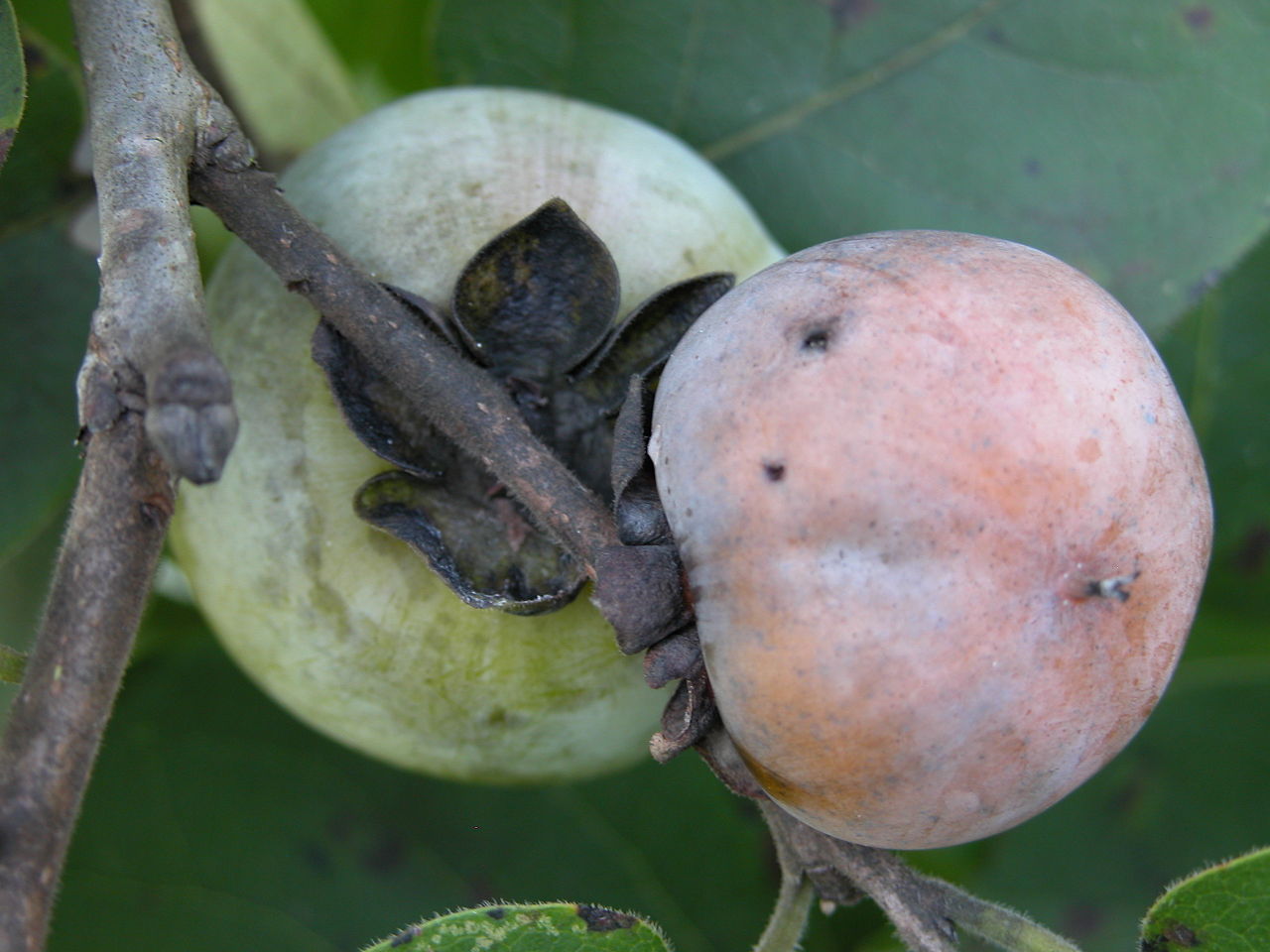
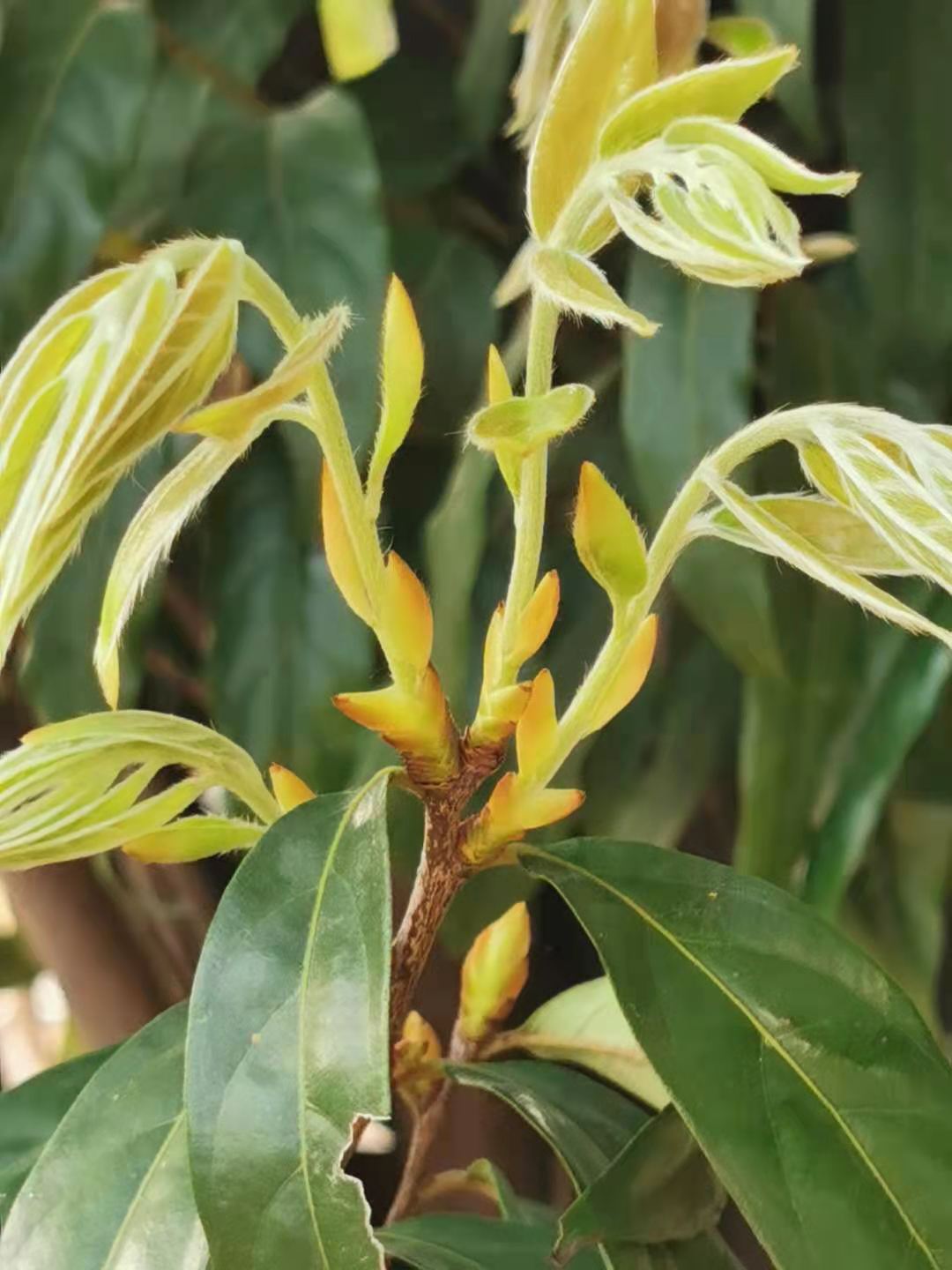
Members of Diospyros typically have simple, alternately arranged leaves that can be evergreen or deciduous depending on species. Flowers are usually small and either solitary or in short clusters; many species are dioecious, with male and female flowers on separate trees, which influences fruit production and garden planning. Fruits are fleshy berries in persimmon species and contain a few large seeds. The wood of some species is extremely dense and often dark, giving rise to the common name ebony. For notes on wood anatomy and timber identification see wood characteristics.
Distribution, habitat and ecology
Diospyros species are mainly native to tropical regions of Africa, Asia, Australasia and the Americas, with a smaller number in warm temperate zones. Many grow in lowland and montane forests, riverine habitats, and sometimes in dry forests or limestone soils. They play ecological roles as sources of fruit for birds and mammals and as components of forest structure; pollination is often insect-mediated and seed dispersal is frequently by animals.
Notable species
- Diospyros kaki — the Asian or Japanese persimmon, widely cultivated for sweet fruit; see fruit cultivation for growing and postharvest notes.
- Diospyros virginiana — the American persimmon, native to eastern North America and used regionally for fruit and timber; regional information at regional species.
- Diospyros ebenum and related taxa — traditional sources of black ebony timber prized for fine woodworking; further details at timber sources.
- Diospyros lotus — the Caucasian persimmon, referenced in historical texts and cultivated in parts of Eurasia; see historical notes.
Taxonomy and naming
The generic name derives from Greek elements historically interpreted as relating to divinity and fruit. Taxonomic study of Diospyros has expanded with botanical exploration; classification continues to be refined as more molecular and morphological data become available. For a concise taxonomic history consult taxonomic history.
Cultivation and uses
Persimmons are eaten fresh, dried or processed; unripe fruit of some species contain astringent tannins that diminish as the fruit ripens. Dense ebony woods are used for inlay, carving, musical instruments and fine joinery. Many species are cultivated as ornamental trees for their foliage and fruit. Practical cultivation advice and horticultural practices are covered at horticulture, while trade and commercial uses are discussed at commercial uses.
Conservation and identification
Several ebony-producing species have been overexploited and face conservation concerns; habitat loss also threatens some regionally restricted taxa. Distinguishing Diospyros from similar genera relies on flower and fruit structure and wood properties; identification resources are available at identification guide. Conservation status and management guidance can be found via conservation resources.
Note: This article summarizes widely known information about the genus. For species-level detail, planting recommendations, timber trade regulations or conservation status consult specialized sources linked above.
Questions and answers
Q: How many species of trees are included in the Diospyros genus?
A: The Diospyros genus includes about 450-500 species of trees.
Q: What are the types of trees included in the Diospyros genus?
A: The Diospyros genus includes both deciduous and evergreen trees.
Q: Where are most species of trees in the Diospyros genus native to?
A: Most species of trees in the Diospyros genus are native to the tropics.
Q: How many species of trees in the Diospyros genus extend into temperate regions?
A: Only a few species of trees in the Diospyros genus extend into temperate regions.
Q: What are the common names for trees in the Diospyros genus?
A: The common names for trees in the Diospyros genus are ebony and persimmon trees.
Q: What is the meaning behind the generic name of the Diospyros genus?
A: The generic name Diospyros is derived from the Greek words "dios," meaning "of Zeus," and "pyros," meaning "grain," and was originally applied to the Caucasian Persimmon (D. lotus).
Q: What is the origin of the name "Diospyros"?
A: The name "Diospyros" is derived from the Greek words "dios," meaning "of Zeus," and "pyros," meaning "grain," and was originally applied to the Caucasian Persimmon (D. lotus).
Related articles
Author
AlegsaOnline.com Diospyros: ebony and persimmon trees — overview, characteristics and uses Leandro Alegsa
URL: https://en.alegsaonline.com/art/27553
Sources
- npgsweb.ars-grin.gov : "Genus: Diospyros L."