
Dracaena — overview, species, cultivation and uses
Dracaena is a small genus of woody trees and succulent shrubs known for ornamental houseplants like 'lucky bamboo' and large dragon trees native to tropical regions.
Dracaena is a genus of flowering plants that includes roughly forty species of trees and succulent shrubs. The group is familiar both as dramatic landscape trees and as popular indoor plants. For a concise taxonomic reference see Dracaena (genus).
Image gallery
10 Images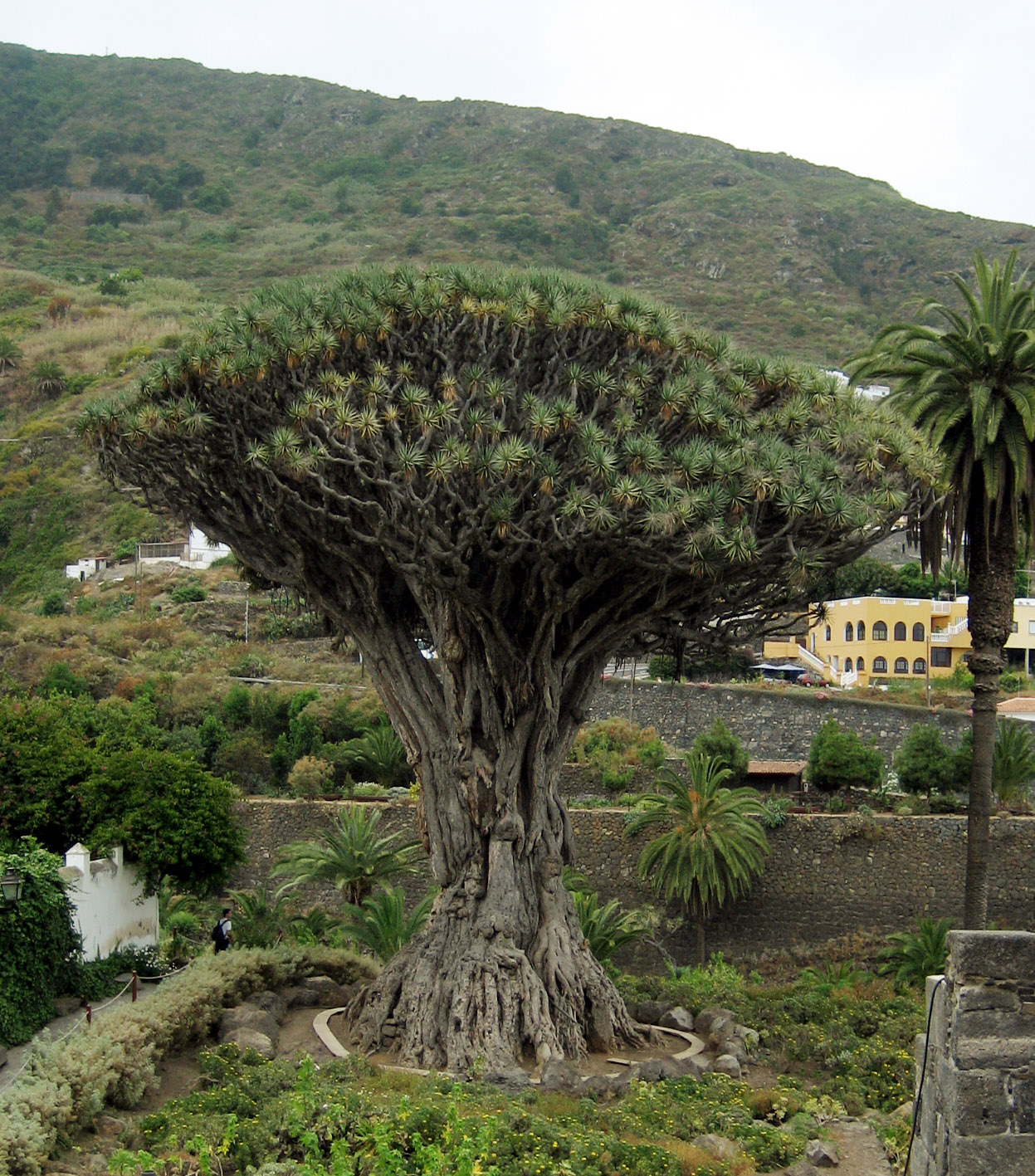




General characteristics
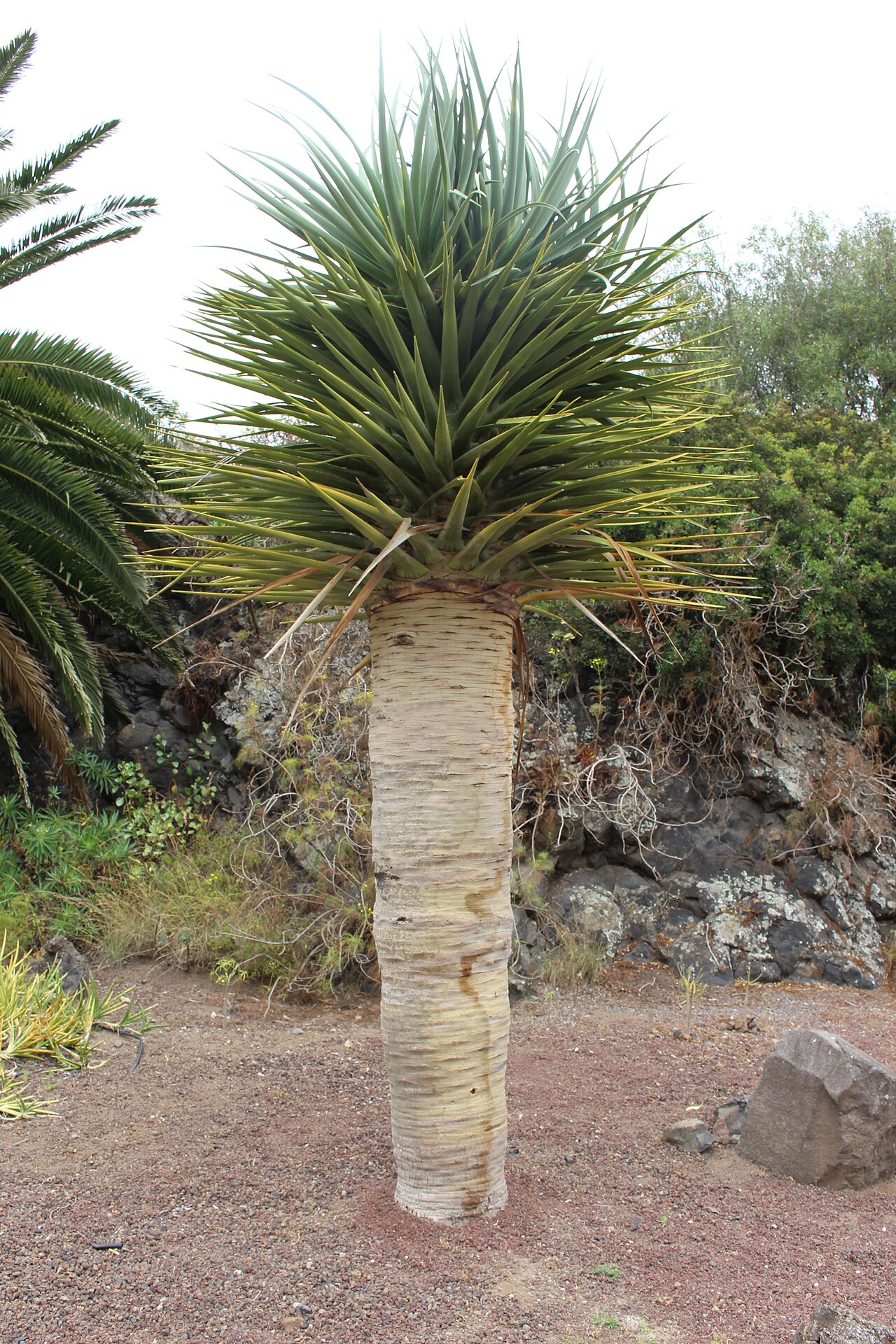
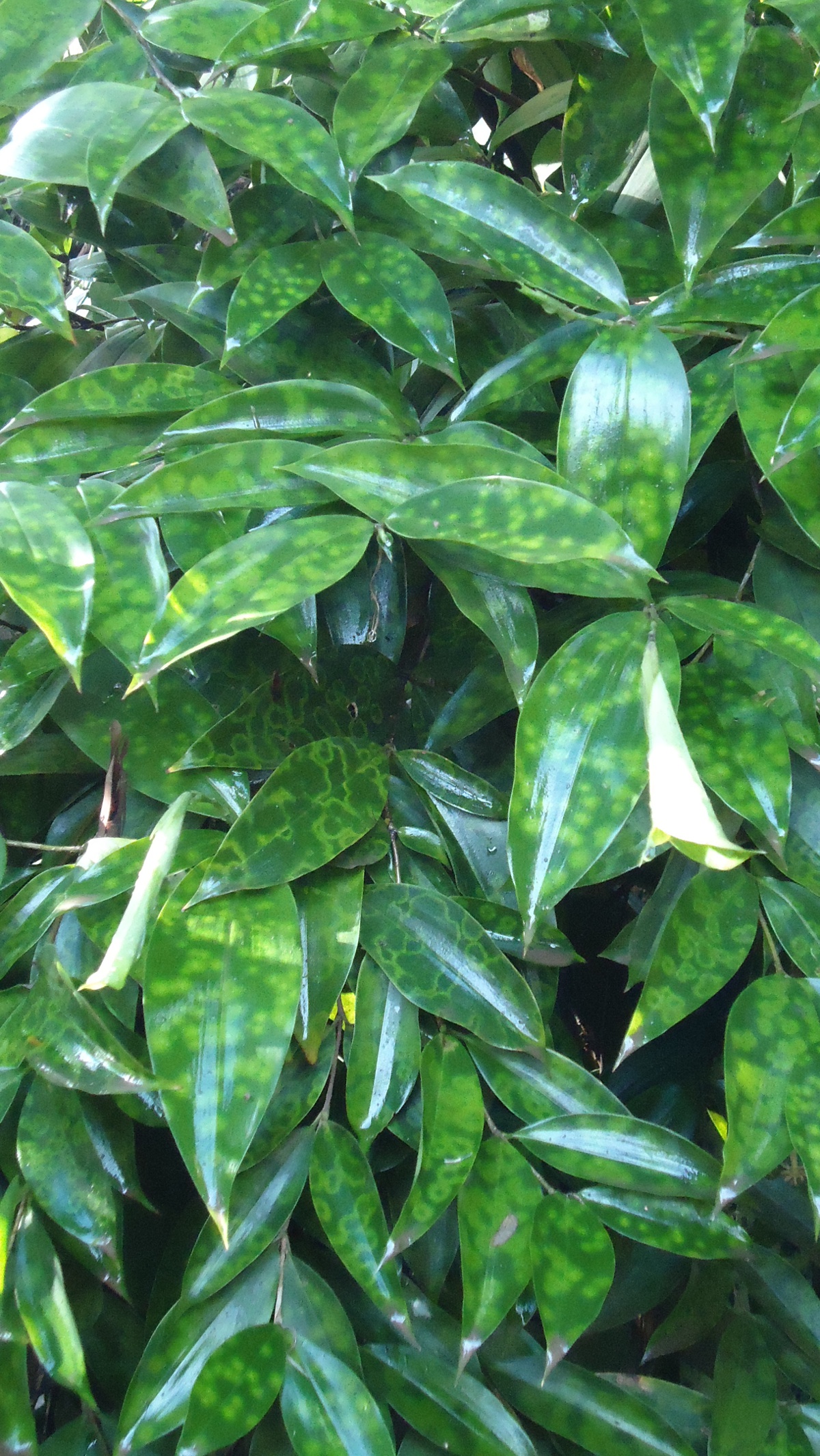
Members of the genus range from single-trunked, branching trees to multi-stemmed, cane-like shrubs. Many have a woody stem with a crown of strap-shaped leaves; others are more succulent. Flowers are typically borne in panicles and can be fragrant, while fruits are small berries. The practical division used by growers distinguishes larger, tree-form species (often called dragon trees) from shrubby, cane-form types commonly sold as houseplants.

Notable species
- Dragon tree (D. draco) — a long-lived, tree-form species valued for its architectural form.
- Shrubby dracenas — a diverse group used in interiorscaping and offices.
- D. sanderiana — commonly called "lucky bamboo" despite not being a true bamboo.

Origin and distribution
Dracaena species are native mainly to tropical regions; most originate from Africa, with additional species in parts of tropical Asia and Latin America. The genus name derives from the Ancient Greek word drakaina, meaning "female dragon," a reference to the red resin produced by some species; the etymology is discussed in older botanical literature and summaries at etymology sources.

Uses, cultivation and care
Shrubby dracenas are widespread as houseplants because they tolerate low light and irregular watering. Common cultivation advice includes bright, indirect light, moderate watering that allows the soil to dry slightly between waterings, and occasional feeding. Dragon trees are used in warm-climate landscaping for their sculptural trunks and canopy. For practical care guides and planting advice consult horticultural summaries such as genus overviews and regional planting references (landscape use).
Distinctions and notable facts
- Some Dracaena produce a red resin historically called "dragon's blood," used in varnishes and dyes.
- "Lucky bamboo" (D. sanderiana) is often sold in water-filled arrangements and is associated with cultural symbolism; it is frequently described in care notes at plant retailers.
- Taxonomy has shifted over time; species boundaries and relationships are clarified in modern floras and botanical databases (taxonomic resources, historical accounts).
Whether appreciated as a statement tree or a resilient indoor plant, Dracaena remains important in horticulture and design for its variety of forms and relatively undemanding cultivation requirements. For further reading and species lists see general botanical references and regional floras at regional flora and African plant databases.
Related articles
Author
AlegsaOnline.com Dracaena — overview, species, cultivation and uses Leandro Alegsa
URL: https://en.alegsaonline.com/art/28821