
Dioscoreales
Dioscoreales is an order of monocot flowering plants that includes yams and several families of mainly herbaceous or mycoheterotrophic plants, notable for tubers, steroidal compounds and diverse life histories.
Dioscoreales is an order of monocotyledonous flowering plants that contains a variety of herbaceous, climbing and often tuber-bearing species. The best-known members are the yams (genus Dioscorea), valued as food crops and sources of steroidal compounds. The order also includes several small families of predominantly woodland herbs, some of which are mycoheterotrophic (non-photosynthetic and dependent on fungi).
Image gallery
4 Images
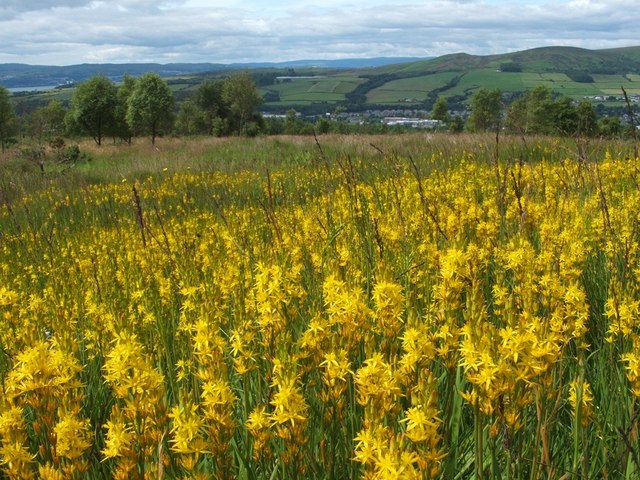
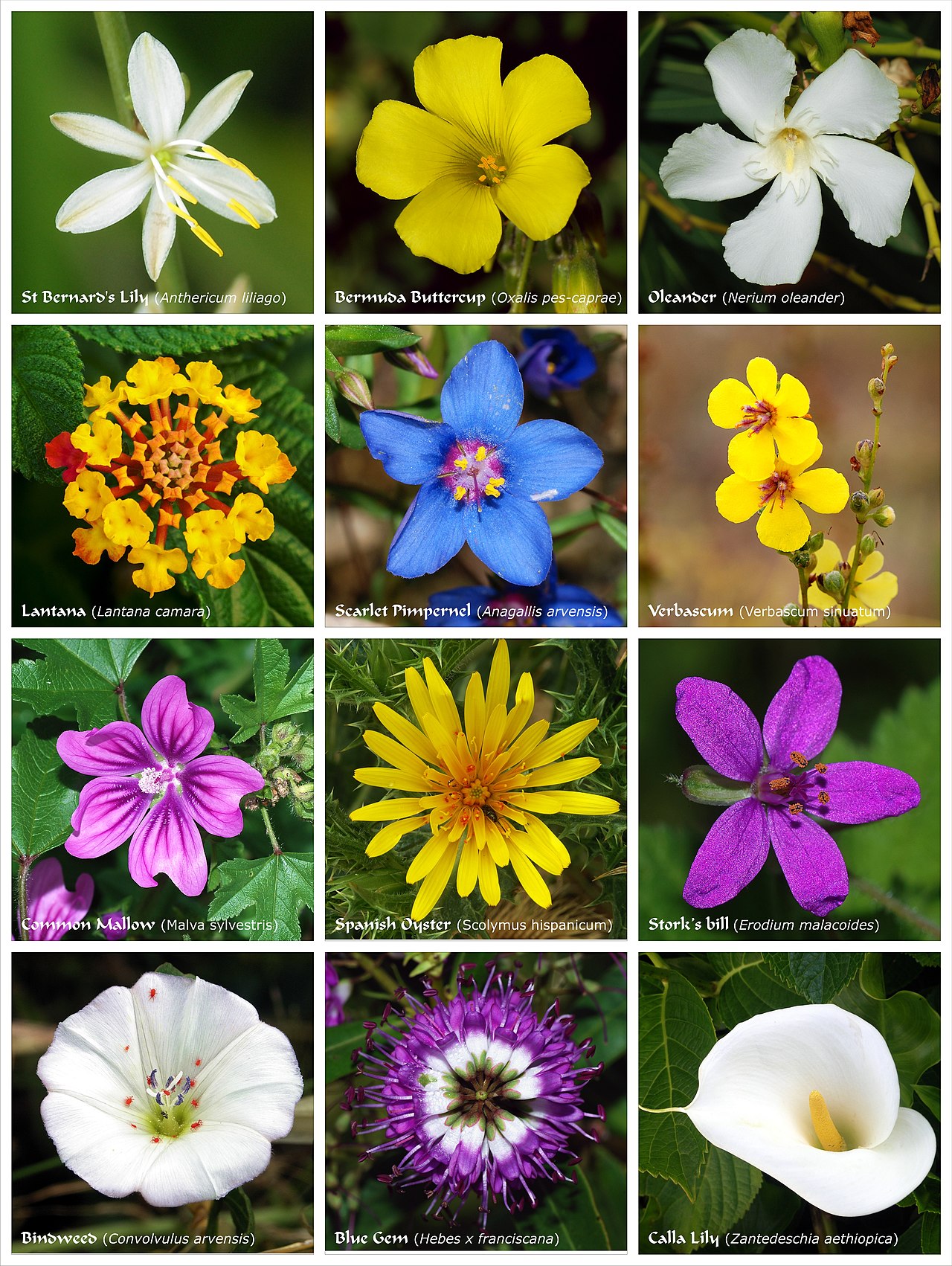
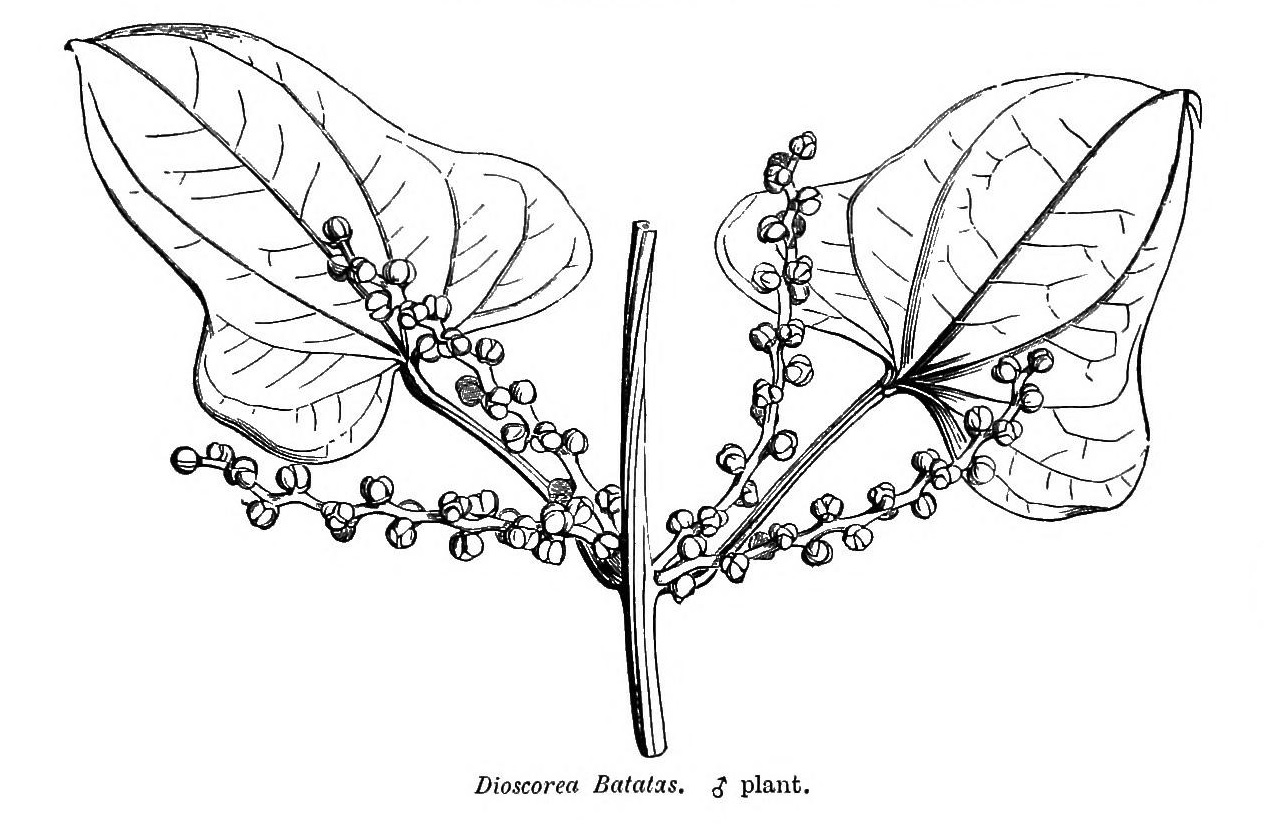
Key characteristics
Plants in Dioscoreales typically show monocot traits such as trimerous flowers (parts in threes) and parallel or slightly reticulate venation in leaves of some groups. Flowers are usually small, with six tepals and six stamens in bisexual species, and fruits may be capsules or winged nuts. Many Dioscoreaceae produce enlarged underground storage organs — tubers or rhizomes — that serve as carbohydrate reserves.
Families and taxonomy
The order comprises several families of differing ecology and form. Representative groups include:
- Dioscoreaceae — the yam family, climbers and tuberous herbs.
- Burmanniaceae and Corsiaceae — small, often achlorophyllous herbs that obtain carbon via fungal associates (mycoheterotrophy).
Taxonomic circumscription has varied historically; modern classifications place these families together based on genetic and morphological evidence. For additional taxonomic context see Dioscoreales overview.
Distribution, ecology and uses
Dioscoreales have a largely tropical distribution, with some temperate species. Ecologically they range from canopy-climbing vines to tiny forest-floor herbs that rely on fungal partners. Economically, yams are important staples in parts of Africa, Asia and the Americas. Several species contain steroidal saponins such as diosgenin, which have been used as precursors in the semi-synthesis of steroid drugs and in traditional medicine.
Because the order encompasses both conspicuous food plants and cryptic mycoheterotrophs, it illustrates a wide spectrum of ecological strategies among monocots and continues to be an active subject of botanical and phylogenetic research.
Related articles
Author
AlegsaOnline.com Dioscoreales Leandro Alegsa
URL: https://en.alegsaonline.com/art/27552