
Dipsacus fullonum (Fuller's Teasel)
Dipsacus fullonum, or Fuller's Teasel, is a biennial wildflower native to Eurasia and North Africa known for spiny seedheads used historically in textile fulling and valued in wildlands and dried-flower arrangements.
Overview
Dipsacus fullonum, commonly called Fuller's Teasel or Wild Teasel, is a tall biennial or short-lived perennial herb notable for its spiny, egg-shaped flowering heads and lavender to pale purple flowers. The plant has a long history of association with textile working—its stiff seedheads were used to raise the nap on wool and to comb fibers during the fulling process, which is reflected in both its common and scientific names. The species is traditionally placed in the teasel family Dipsacaceae, though some modern classifications include that group within an expanded Caprifoliaceae sensu lato.
Image gallery
8 Images




Characteristics
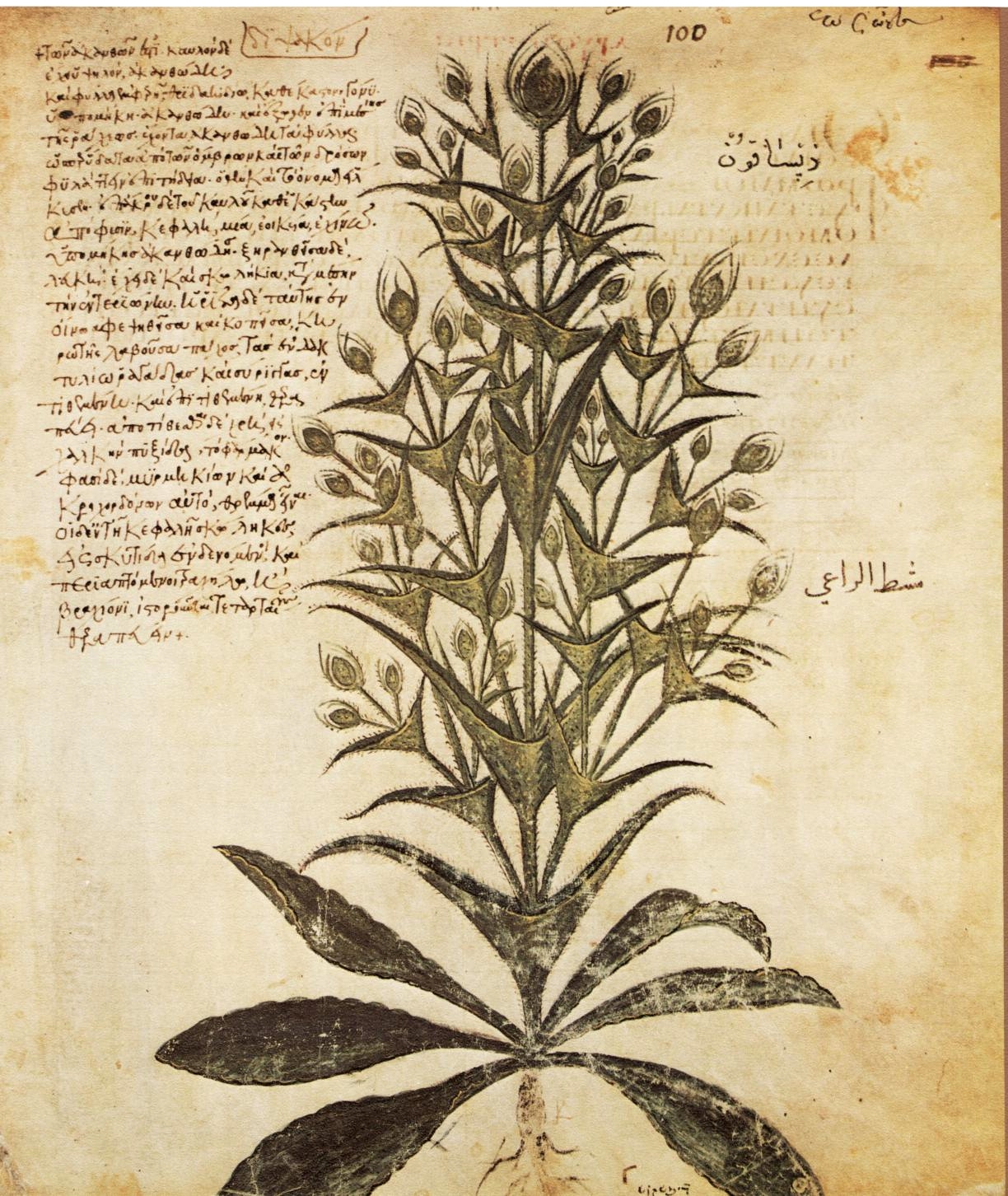
Fuller's Teasel typically grows from a basal rosette in its first year, then sends up a flowering stem in the second year that can reach between 2 and 10 feet. The stem bears opposite, lance-shaped leaves that may fuse around the stem to form a cup that occasionally holds rainwater. The inflorescence is an ovoid head composed of many small tubular flowers surrounded by rows of stiff, hooked bracts that give the seedhead its characteristic comb-like appearance. Flowers are usually lavender or lilac but can vary in tone; seedheads persist long after flowering and are often used in dried arrangements.
Distribution and ecology
Native to much of Eurasia and parts of North Africa, Fuller's Teasel has been widely naturalized elsewhere, including North America, southern Africa, Australia, and New Zealand. It commonly colonizes disturbed soils, roadsides, waste places and field margins. The persistent seedheads provide food for seed-eating birds, and the flowering spikes are visited by a variety of insects. The leaf-cup phenomenon has led some observers to suggest a protocarnivorous habit—trapping and decomposing insects in the water-filled cups—but firm evidence that the plant gains significant nutrients this way is limited.
History, uses and cultural significance
Historically the most notable use of Dipsacus fullonum was in textile finishing: dried heads were used as natural combs to tease out and align wool fibers before spinning and to raise the nap on woven cloth during fulling. Specialized cultivars and related species have been cultivated for this purpose in European textile districts. Beyond textiles, teasel heads are popular in dried-flower crafts and garden seedheads add winter interest. Folk medicine sources cite traditional topical uses for skin ailments, though such applications are not established by modern clinical evidence.
Identification, similar species and management
- Identification tips: tall, spiny conical seedheads; opposite leaves that may form a cup; lavender flowers in dense heads.
- Similar taxa: other Dipsacus species such as cultivated or greater teasels can be confused with D. fullonum; careful attention to bract shape and plant habit helps separate them.
- Management: where it behaves invasively, control focuses on preventing seed set—hand-pulling rosettes before bolting, cutting flowering stems, or appropriate land-management practices. It can be a valued wildflower in native-range settings but a problematic colonizer in some introduced regions.
For further botanical details and regional information see the species account on a dedicated plant resource: species page, family treatments at taxonomic references, distribution summaries for Eurasia and North Africa, and naturalization reports for the Americas, Australia, and New Zealand.
Related articles
Author
AlegsaOnline.com Dipsacus fullonum (Fuller's Teasel) Leandro Alegsa
URL: https://en.alegsaonline.com/art/27578