
Digitalis (foxgloves): botany, medicinal compounds, cultivation and risks
Digitalis, commonly called foxglove, is a small genus of flowering plants used ornamentally and medicinally; they produce cardiac glycosides (e.g., digoxin) and are highly toxic if misused.
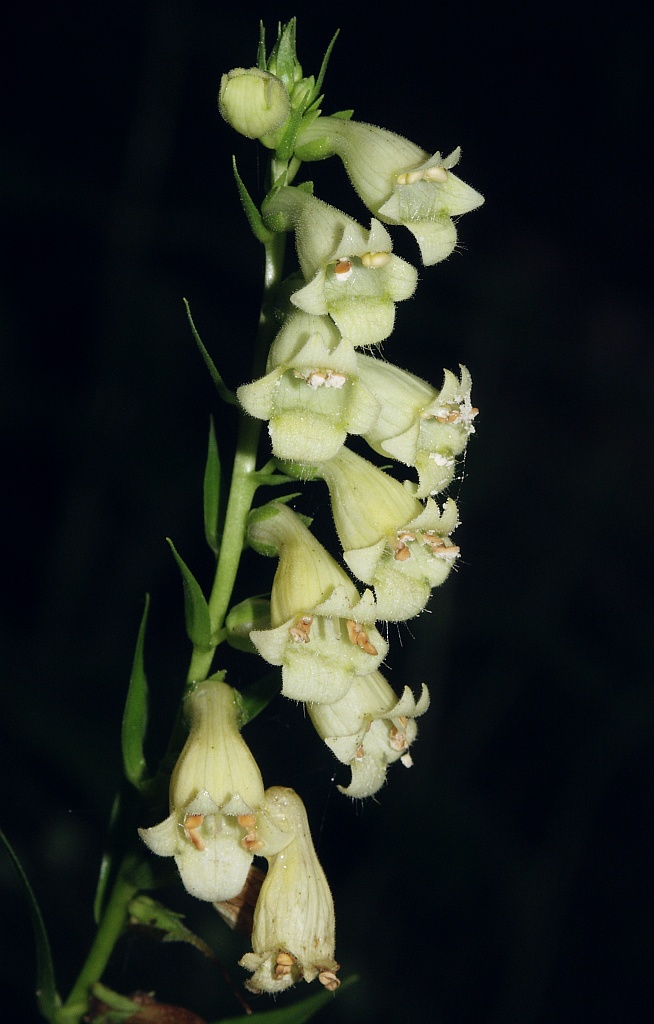
Digitalis, popularly known as foxglove, is a genus of about 20 species of herbaceous perennials, biennials and small shrubs valued for their tall spikes of tubular flowers. The striking bells occur in colors from purple and pink to white and yellow and make the plants familiar in temperate gardens. Botanically they belong to the plantain family (Plantaginaceae) and are distinguished by their tubular, often spotted corollas and a basal rosette of leaves in many species.
Image gallery
8 Images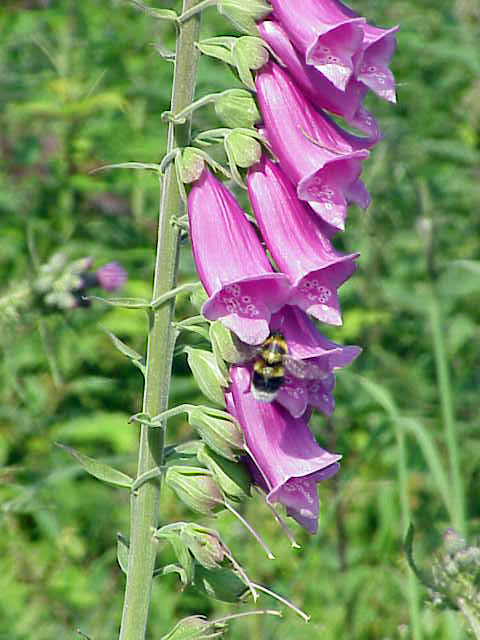


Botanical characteristics
Plants in the genus share a number of features: alternate leaves that may be hairy and toothed, a flowering stem bearing many pendant flowers, and a capsule fruit containing many small seeds. Growth habit varies: some species are biennial, producing a leaf rosette in the first year and flowering in the second; others are perennial, returning for several seasons. The flower shape and internal spotting are adapted for pollination by bees and other long-tongued insects.
Native range and cultivation
Digitalis is native across parts of Europe, western and central Asia, and northwestern Africa. Gardeners and botanists commonly cite populations in Europe, western and central Asia and northwestern Africa. In cultivation these plants prefer humus-rich, well-drained soil and tolerate partial shade. They are often grown from seed and appreciated for cottage-garden and pollinator-friendly plantings. Some species have naturalized outside their native range where conditions are suitable.
Medicinal compounds and pharmacology
The genus is notable as the natural source of cardiac glycosides, a group of steroid-like compounds that affect heart muscle contractility. Compounds such as digoxin and digitoxin were isolated from Digitalis species and have been used to treat certain heart conditions, notably heart failure and atrial fibrillation. These drugs have a narrow therapeutic window: beneficial effects occur at doses close to those that produce toxicity. Because of that, modern medical use requires careful dosing, monitoring of blood levels, and attention to interactions with electrolytes (for example, potassium) and other medications.
History, terminology and cultural notes
The name digitalis derives from Latin digitus, "finger," a reference to the finger-like shape of the flowers. In the late 18th century, physicians began investigating foxglove extracts for treating dropsy (edema related to heart disease), and isolated active cardiac glycosides later in the 19th and 20th centuries. The common name foxglove has a number of folk etymologies, but its use in gardens and literature dates back centuries.
Uses, risks and notable facts
Digitalis plants are valued both ornamentally and historically for their medical derivatives. However, all parts of the plant are toxic if ingested raw; symptoms of poisoning can include nausea, vomiting, visual disturbances, confusion and dangerous cardiac arrhythmias. Because of that toxicity, self-medication with plant material is hazardous. In medicine, purified and standardized cardiac glycosides are used under professional supervision; raw extracts and homemade preparations are not safe substitutes. In ecology, foxgloves are important nectar sources for bees and other pollinators, while some specialist herbivores and pathogens have co-evolved with them.
- Common garden species: Digitalis purpurea, Digitalis lanata and others used for ornament and drug production.
- Cautions: poisonous to humans and livestock; handle with care and keep away from pets and children.
- Pharmacology: active glycosides require medical oversight because of narrow safety margins.
Overall, Digitalis combines striking horticultural value with significant pharmacological importance and risk. Its history illustrates how a garden plant became the origin of clinically important drugs while also reminding users to respect its toxicity.
Related articles
Author
AlegsaOnline.com Digitalis (foxgloves): botany, medicinal compounds, cultivation and risks Leandro Alegsa
URL: https://en.alegsaonline.com/art/27400