
Dietrich Bonhoeffer: German Lutheran Pastor, Theologian, and Resistance Figure
German Lutheran pastor and theologian who opposed Nazism, joined the Confessing Church, participated in resistance against Hitler, and was executed in 1945; author of The Cost of Discipleship.
Dietrich Bonhoeffer (4 February 1906 – 9 April 1945) was a German Lutheran pastor and theologian whose life combined academic theology, pastoral ministry and active resistance to Nazism. He is remembered for rigorous reflections on discipleship and ethics, for the founding of an illegal seminary, and for his role in plots to remove Adolf Hitler. Bonhoeffer’s moral thinking and his martyrdom have made him a widely studied figure in modern Christian ethics.
Image gallery
8 Images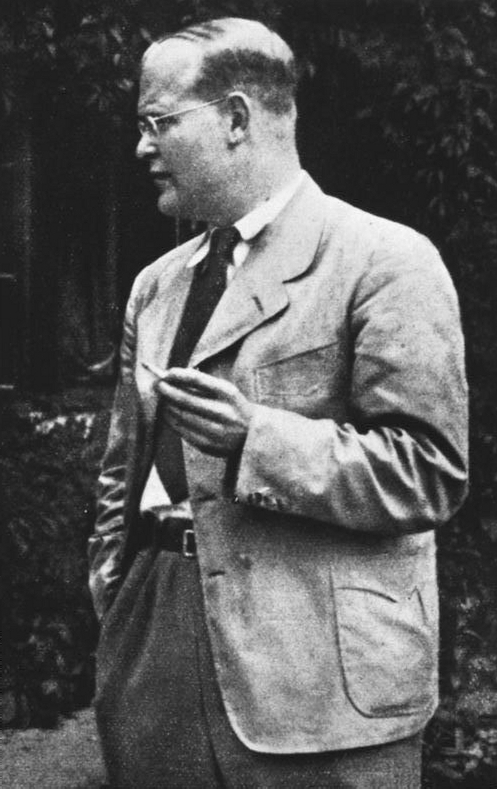


Life and ministry
Born in Breslau and raised in Germany, Bonhoeffer trained as a theologian and served in parish ministry and teaching. He belonged to a Protestant tradition but also engaged broadly with ecumenical questions and social concerns. As a public figure he opposed the racism and authoritarian tendencies of the Nazi era, and he helped establish the Confessing Church alongside clergy such as Martin Niemöller to resist efforts to align German Protestantism with the state. He formed a seminary to train pastors in confessional theology and pastoral care, taking seriously the cost of following Christ in a compromised society.
Theology and writings
Bonhoeffer’s theology emphasized discipleship, communal Christian life, and the demands of grace. He coined the contrast between “cheap grace” and “costly grace,” arguing that authentic faith requires concrete obedience and sacrifice. Major writings include a sustained call to radical discipleship and reflections on Christian ethics written during wartime. His practical and spiritual writings, some left unfinished, were later published and widely read.
- The Cost of Discipleship — a critique of nominal Christianity and an insistence on costly obedience.
- Letters and Papers from Prison — reflections written during imprisonment that explore faith, suffering and responsibility.
- Ethics — an unfinished project addressing moral action in the face of evil.
Resistance, arrest, and execution
Bonhoeffer became involved with individuals who sought to remove or assassinate Hitler, and he judged that violent action could, in extreme circumstances, be a form of responsible resistance to tyranny. This controversial stance grew out of a moral theology that balanced conscience, duty and the prevention of greater evil. For his links to the July 20 plot and other resistance activities he was arrested by the Nazi regime, imprisoned, and ultimately executed in the Flossenbürg concentration camp shortly before the end of the Second World War. His death is often discussed alongside the larger story of German opposition to Nazism and the complex moral choices faced by those who resisted.
Legacy and disputes
Bonhoeffer’s legacy is multifaceted. He is honored as a martyr and influential ethicist, and his writings have shaped modern Christian thought about discipleship, responsibility and church-state relations. At the same time, scholars note tensions in his early views on Judaism and conversion: while he opposed racial antisemitism and acted to help persecuted individuals, some of his early theological assumptions reflected the Christianizing perspectives of his time. Contemporary readers therefore interpret his life both as a powerful example of moral courage and as a subject for critical historical inquiry.
Why he matters
Bonhoeffer remains significant for several reasons: as a theologian who challenged easy religiosity, as a pastor who trained ministers under persecution, and as a participant in resistance to an oppressive regime. His thought continues to be discussed in studies of ethics, church history and political theology, and his writings are widely read by those wrestling with faith, conscience and action in crises of justice and violence.
For further context and research, see materials on Bonhoeffer’s life as a Lutheran pastor, his German background in Germany, his role during World War II, his relationship to plots to eliminate Adolf Hitler, and his collaboration with contemporaries like Martin Niemöller.
Related articles
Author
AlegsaOnline.com Dietrich Bonhoeffer: German Lutheran Pastor, Theologian, and Resistance Figure Leandro Alegsa
URL: https://en.alegsaonline.com/art/27330
Sources
- jewishvirtuallibrary.org : "Dietrich Bonhoeffer"
- nationalreview.com : "The Awe-Inspiring Heroism of Dietrich Bonhoeffer"