
Martin Niemöller: German pastor, Confessing Church leader, and author of 'First they came...'
Martin Niemöller (1892–1984) was a German Protestant pastor who opposed Nazi control of the churches, helped found the Confessing Church, was imprisoned in concentration camps, and later advocated reconciliation.
Overview
Emil Gustav Friedrich Martin Niemöller (14 January 1892 – 6 March 1984) was a German Protestant pastor and public figure who became a prominent opponent of state interference in the churches during the Nazi era. Initially sympathetic to some nationalist currents that helped bring Adolf Hitler to power, Niemöller later rejected the regime's attempt to subordinate the Protestant churches and emerged as a leader in the Confessing Church movement. He is widely remembered for his postwar poem beginning "First they came...", which has been used as a cautionary reflection on silence and complicity.
Image gallery
2 Images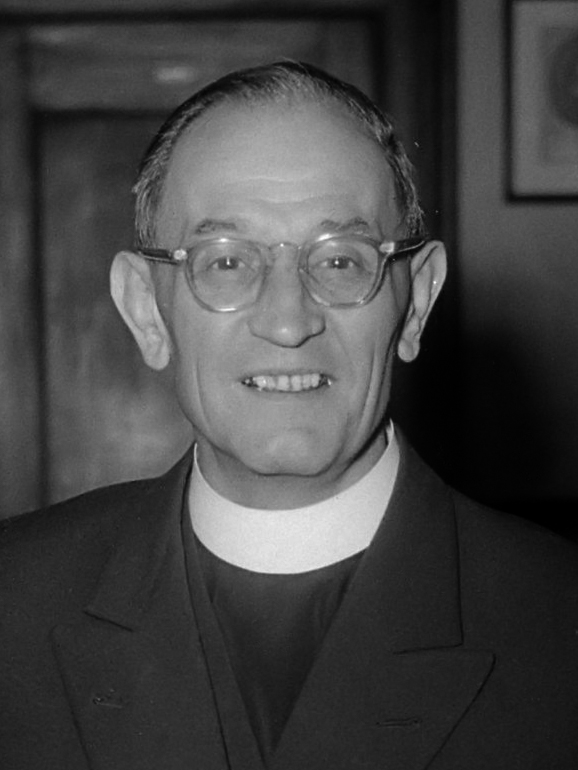

Early life and background
Niemöller was born in Lippstadt and served as a naval officer during the First World War before studying theology and entering the ministry. His early career combined conservative theological views with a strong sense of national loyalty; these attitudes influenced his initial response to the political changes of the early 1930s. Over time he moved toward a firm ecclesiastical resistance when the regime tried to impose ideological control over church life. See more about his clerical role: pastoral work and theological formation.
Resistance and the Confessing Church
When the Nazi government sought to unify Protestant churches under leaders aligned with its racial and political policies, Niemöller helped organize pastors and congregations that rejected these changes. This effort coalesced in the Confessing Church, which defended doctrinal independence and clerical freedom. The movement took public forms of protest, theological statements, and practical refusal to accept state-imposed church authorities. For the broader historical context of church opposition to Nazism, consult related resources.
Imprisonment during the Nazi era
Because of his leadership in church resistance and his outspoken criticism, Niemöller was arrested by the Nazi authorities and spent much of the period from the late 1930s until 1945 interned in concentration camps, including Sachsenhausen and Dachau. He narrowly escaped execution and survived harsh conditions that cost many of his contemporaries their lives. Accounts of the camps and his detention are available in studies of persecution and the Kirchenkampf: concentration camp imprisonment and near-execution and survival.
Postwar life, poem and public legacy
After liberation, Niemöller became an influential public voice in West Germany and internationally. He participated in Christian and peace movements, spoke about responsibility and repentance, and worked on reconciliation efforts. His short, widely circulated poem beginning with "First they came..." is a moral appeal about the consequences of not defending persecuted groups; many versions exist and it has been quoted in discussions of civic courage. References to the poem and to Niemöller’s hometown and final years: the poem, Lippstadt, Wiesbaden.
Notable facts and distinctions
- Niemöller combined early nationalist sympathies with later vocal opposition to state control of religion.
- He was a central figure in the Confessing Church, which sought to preserve Protestant autonomy under Nazi pressure.
- His experiences in the camps shaped his later advocacy for peace, reconciliation, and public responsibility.
Niemöller's life illustrates the complex responses of religious leaders to authoritarian power: a trajectory from accommodation or hope for national renewal to principled resistance and postwar reflection on conscience and duty.
Related articles
Author
AlegsaOnline.com Martin Niemöller: German pastor, Confessing Church leader, and author of 'First they came...' Leandro Alegsa
URL: https://en.alegsaonline.com/art/62380